

What does it take to turn a scientific idea into a market-ready product? What are the key ingredients for successful science-based entrepreneurship? And who has the best chances of securing funding? These questions were at the heart of Powering the Future, the Start-up Day jointly organized by e-conversion and TUM Venture Labs at the Science Congress Center Garching on November 16, 2026. The event brought together researchers, founders, investors, and representatives from across the start-up ecosystem. Alongside a panel discussion, the program featured a Start-up Pitch Competition and Founder Talks, offering insights into different pathways from research to entrepreneurship.
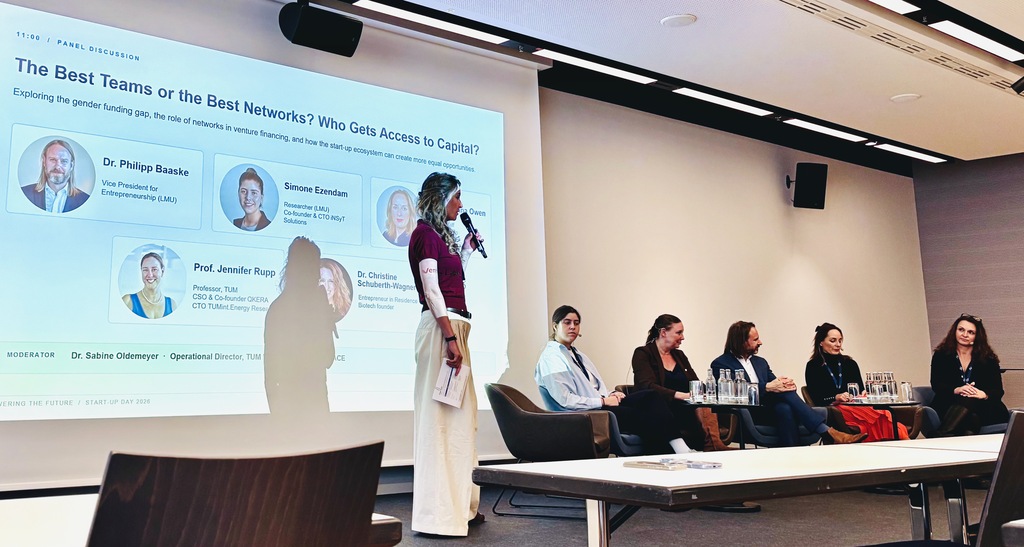
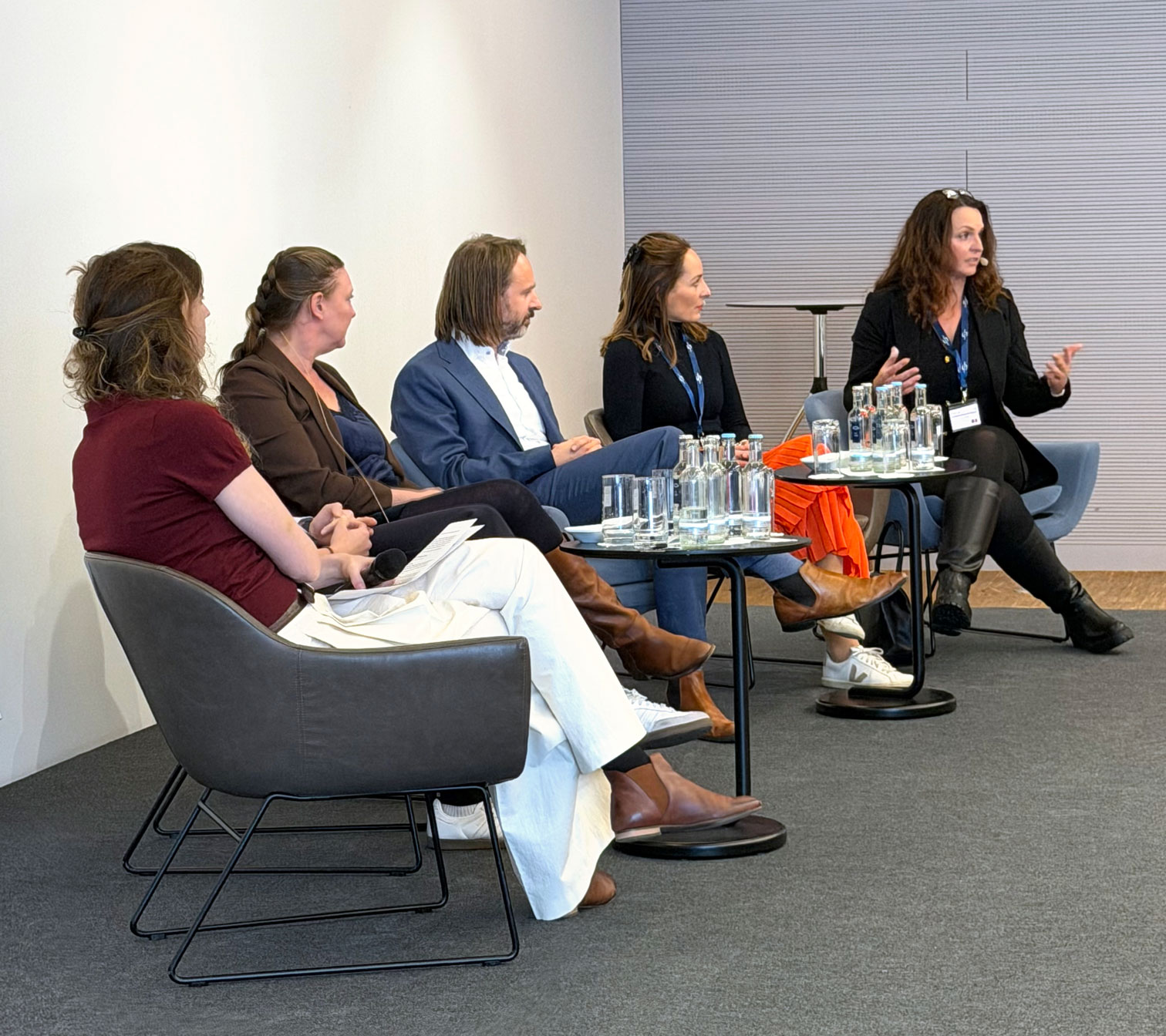
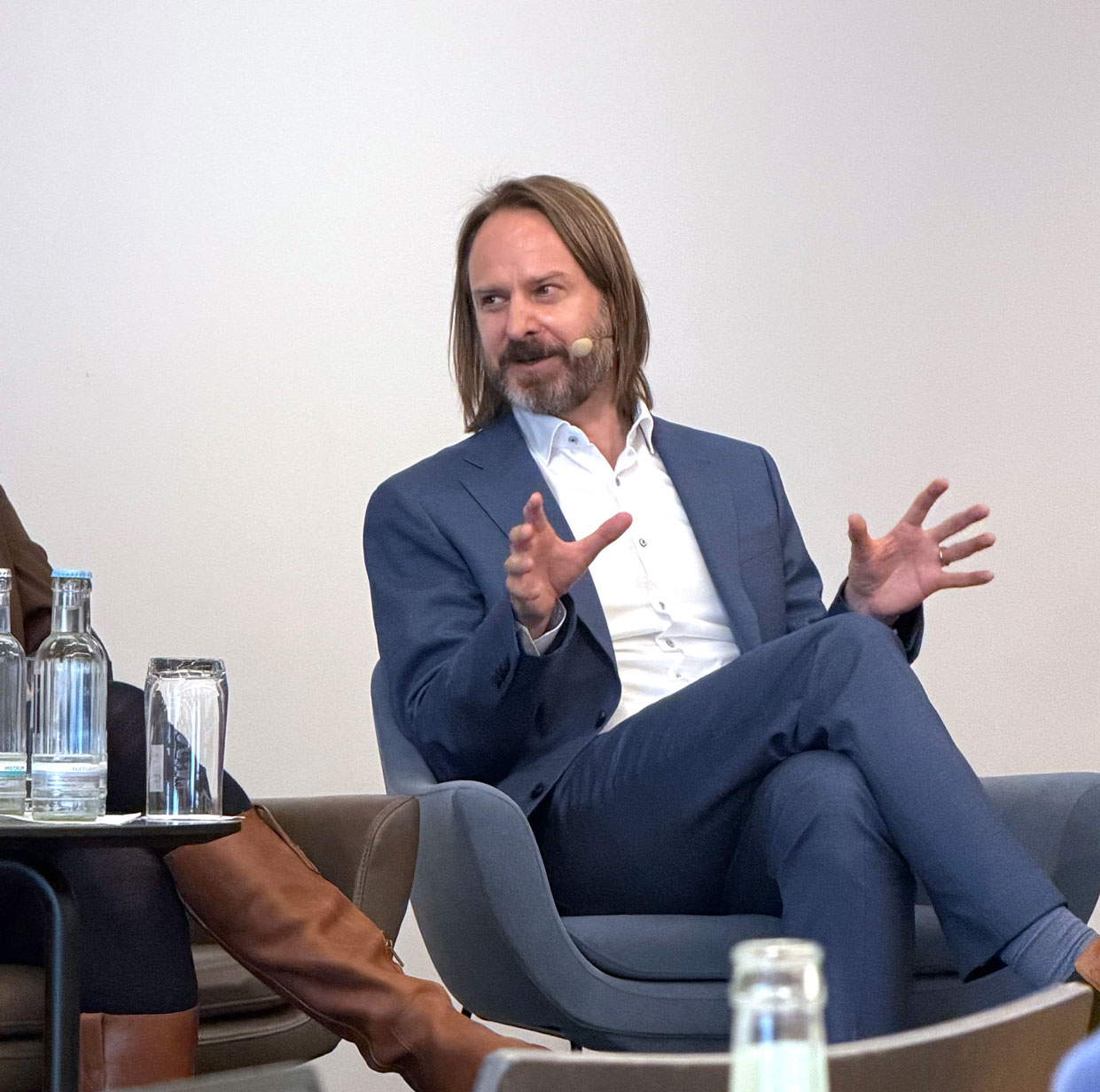
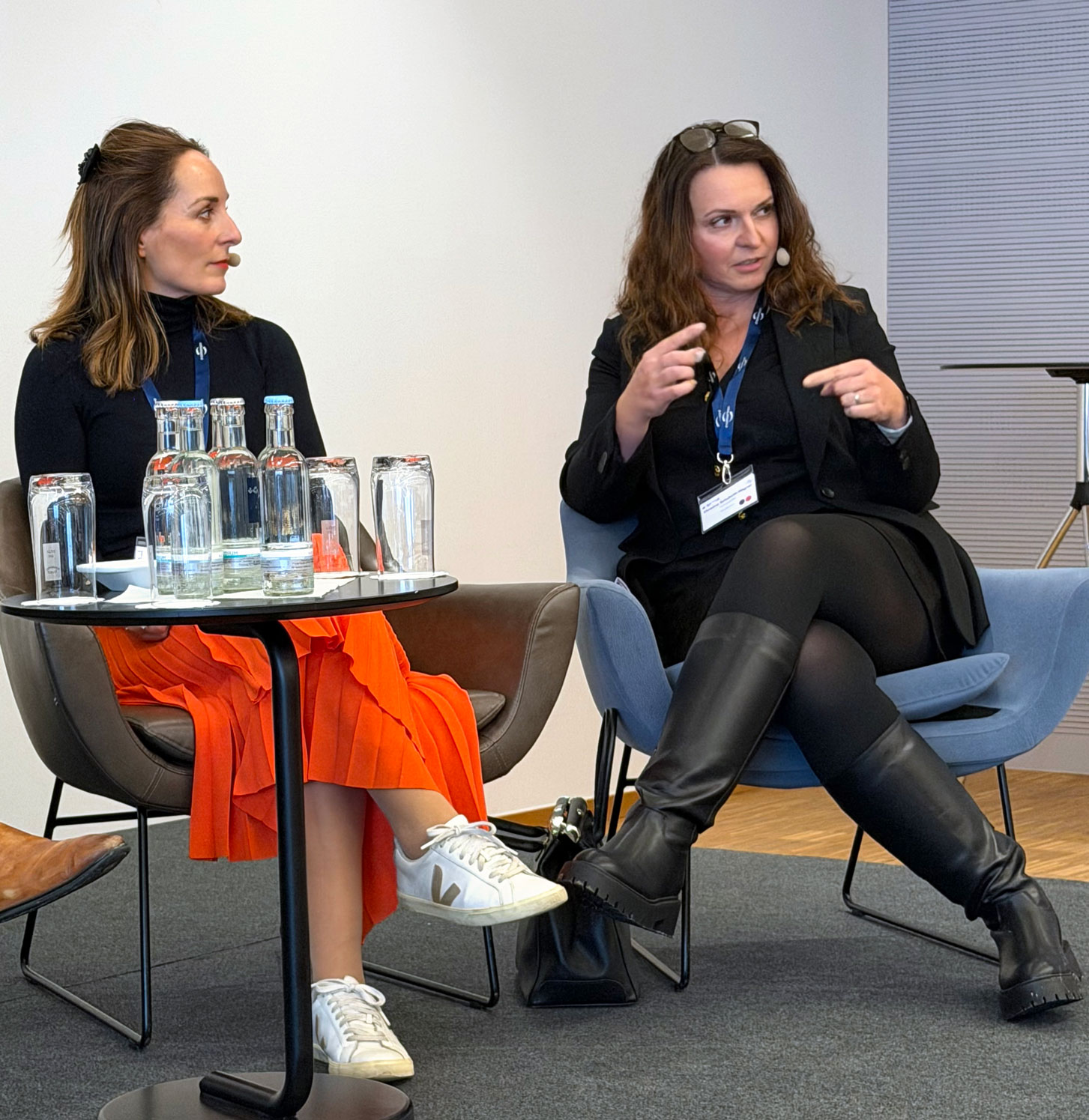
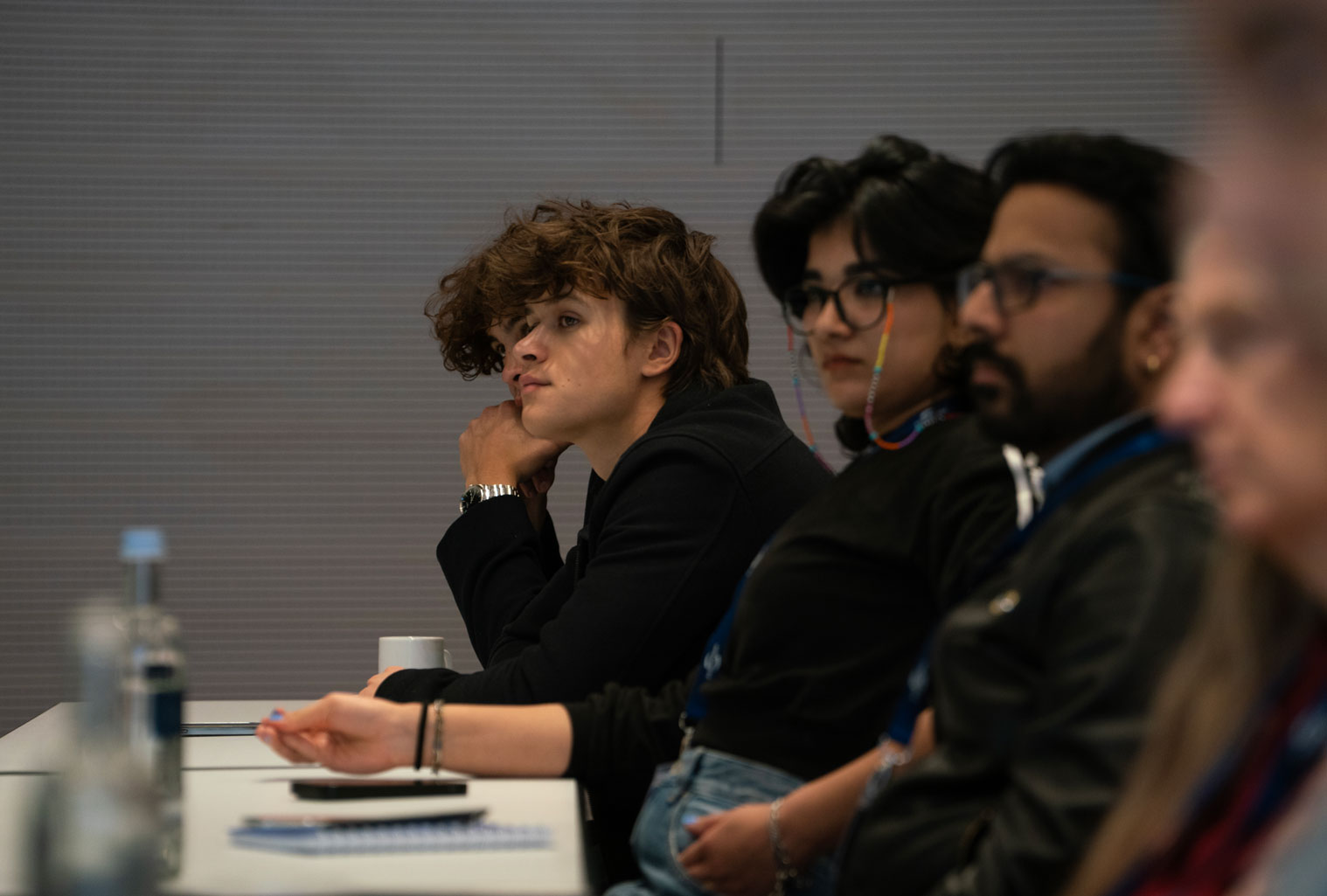
The panel explored the question: The best teams or the best networks? Who gets access to capital? (Photo: C. Zörlein / e-conversion)
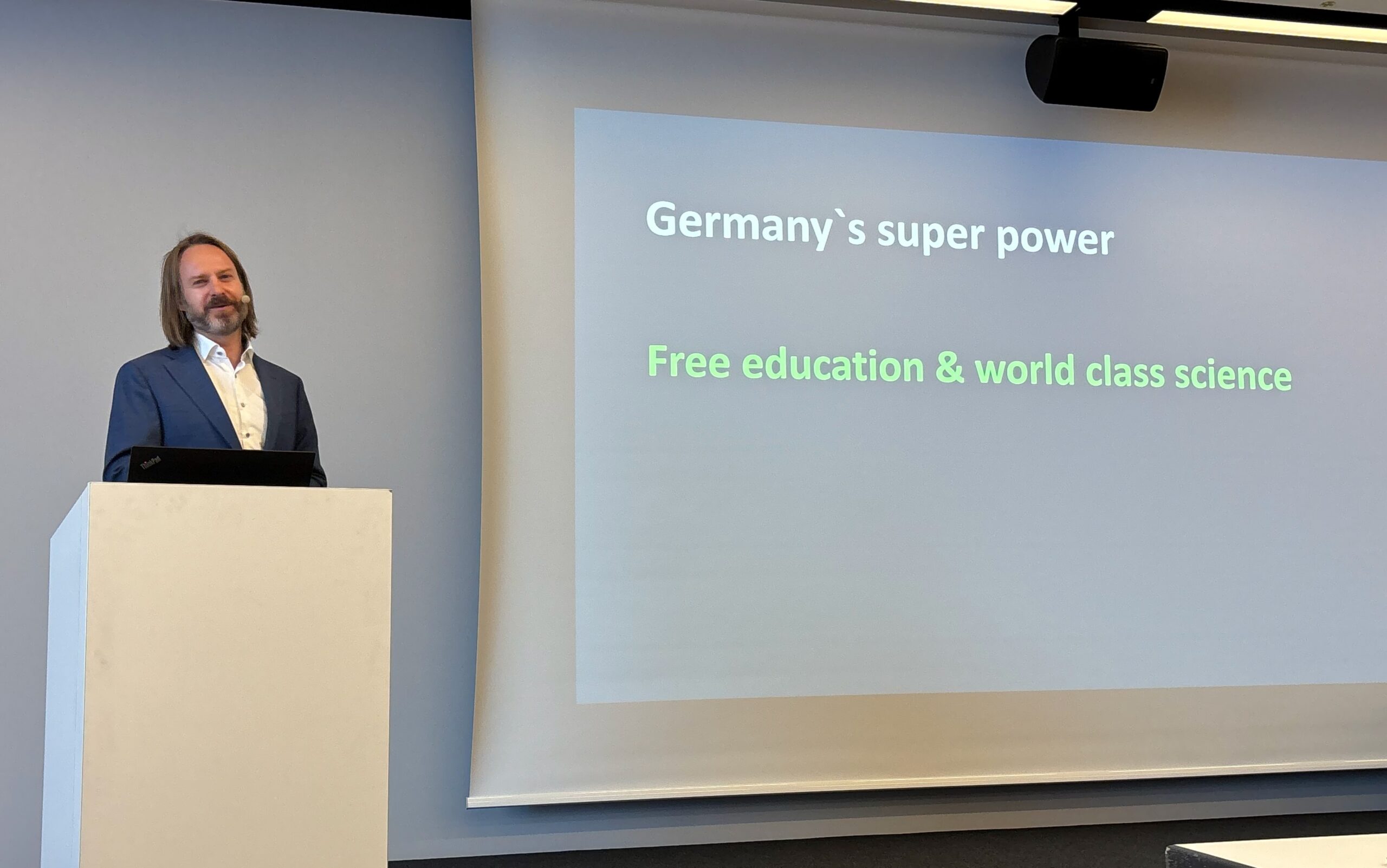
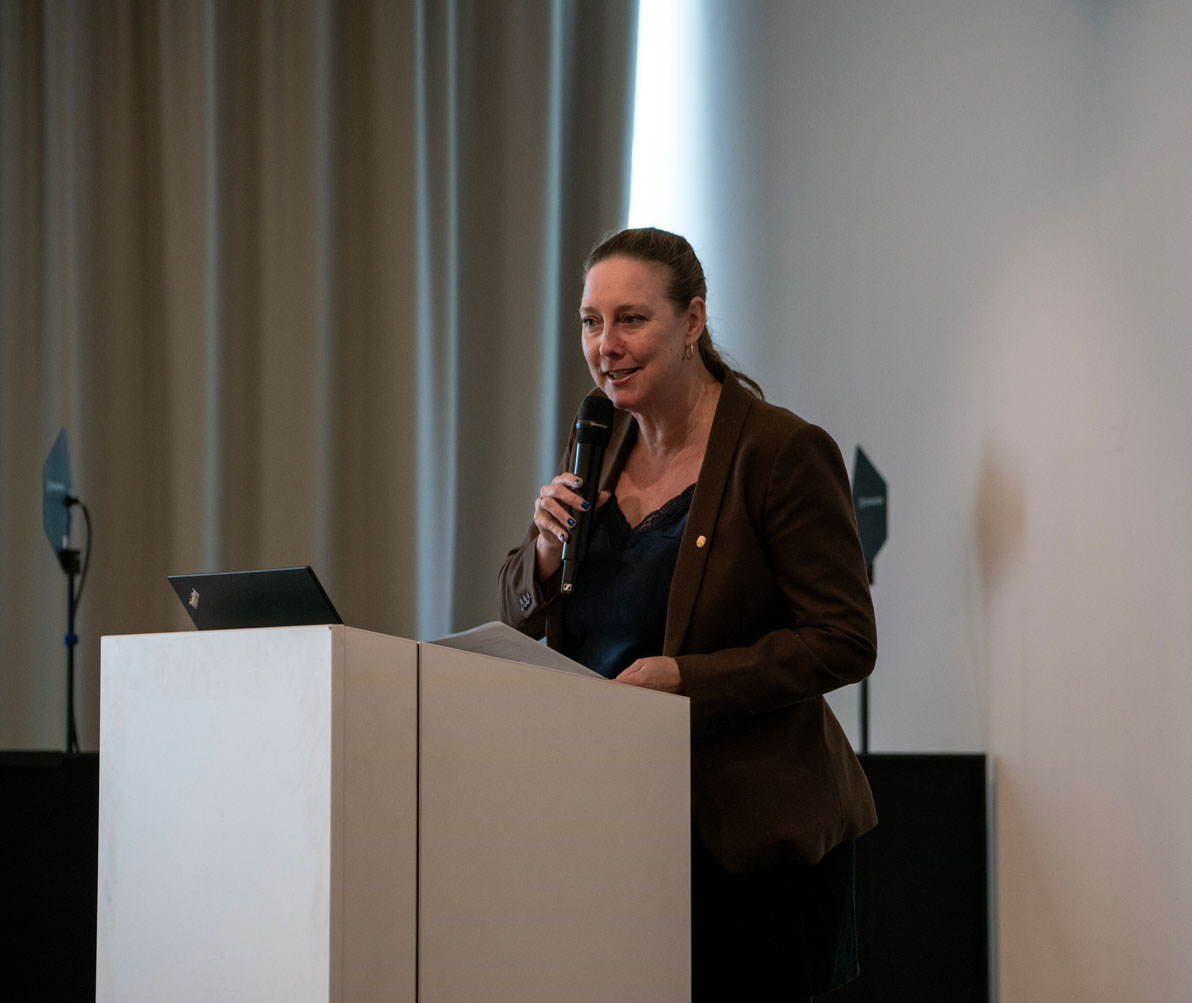
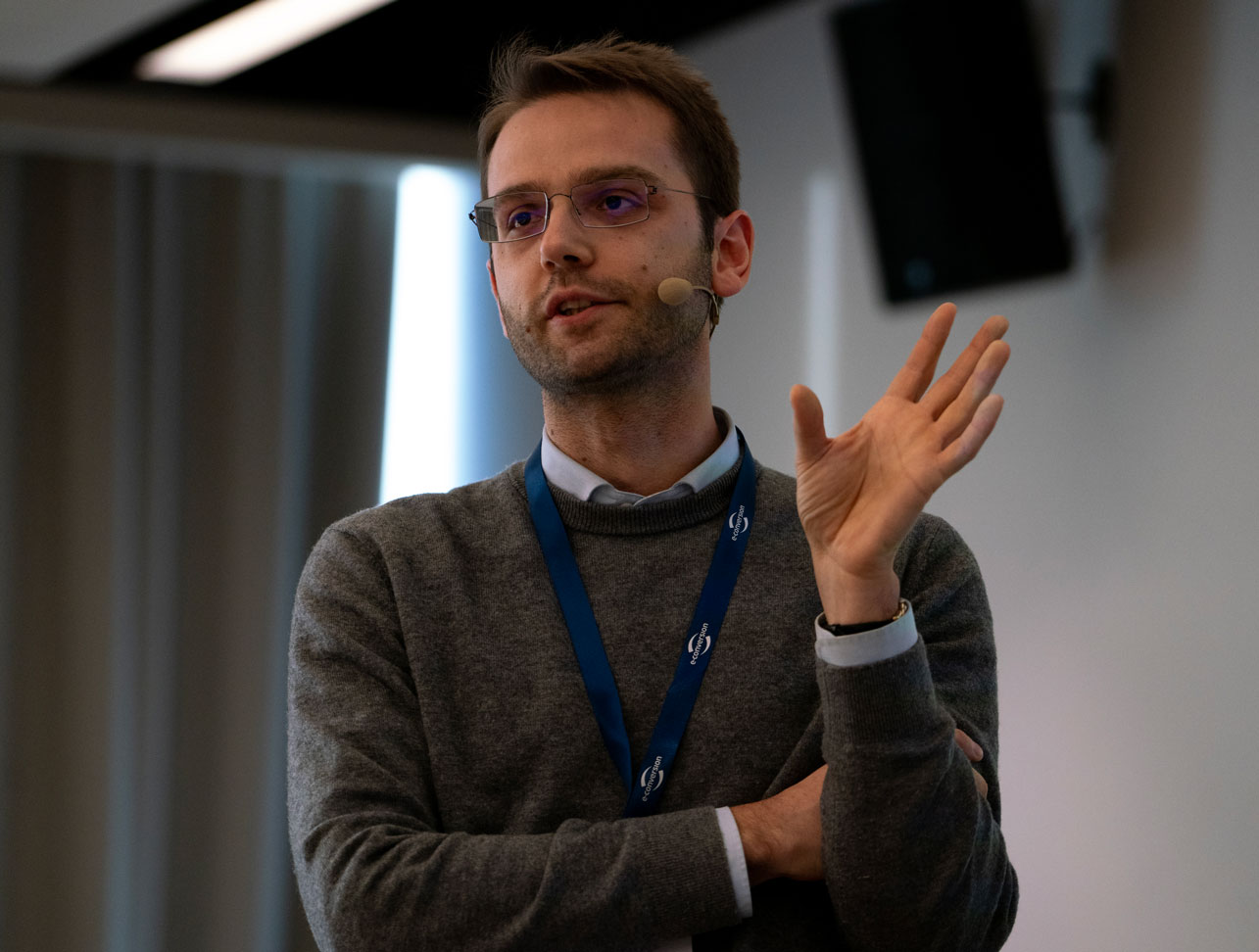
The event opened with remarks by Jennifer Rupp, Professor at TUM, spokesperson for e-conversion, and founder of the start-up QKERA, followed by a keynote by Dr. Philipp Baaske, Vice President for Entrepreneurship at LMU and founder of NanoTemper. In his talk, the physicist reflected not only on his own journey from scientist to entrepreneur, but also on the personal experiences that shaped it. In particular, his mother’s cancer diagnosis motivated him and Stefan Duhr to found NanoTemper in 2006. Today, the highly successful company develops instruments that make previously difficult-to-measure molecular processes visible. Baaske emphasized: “Scientific excellence alone is no guarantee of a successful company. What matters is whether a technology solves a real problem and delivers tangible value.”
Timing, he argued, is equally critical. Although an experienced CEO predicted that the venture would fail, Baaske and his co-founder persevered. “One should never forget that technologies evolve. In our case, advances in laser technology became a key factor in our success.” According to Baaske, universities play an important role not only in fostering scientific excellence but also in helping people translate their ideas into practical applications. “With free school and university education and a strong research landscape, Germany has a superpower.” As NanoTemper, which now employs more than 250 people, demonstrates, that investment can generate returns many times over.
Diverse expertise and fire in the eyes
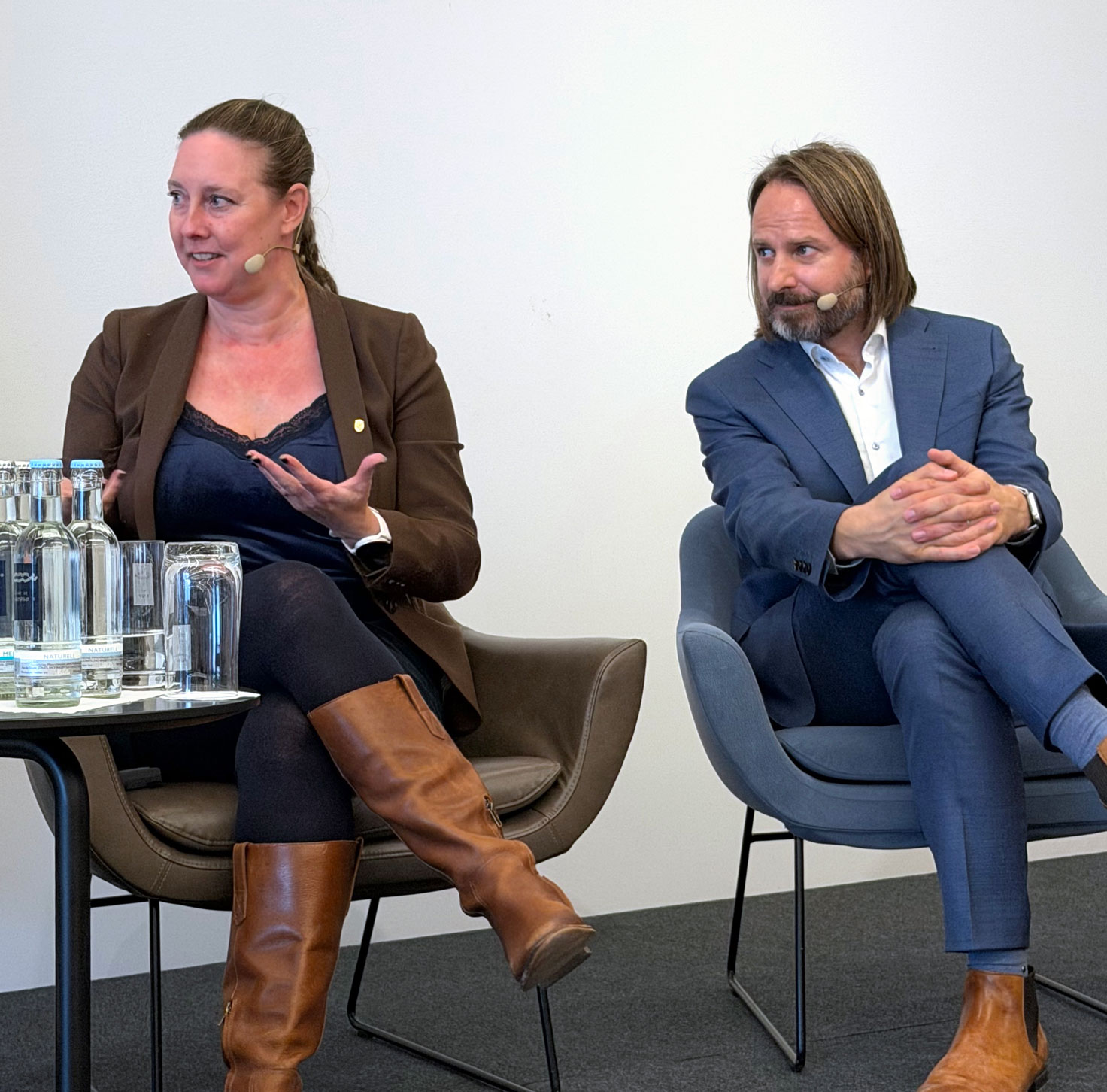
The subsequent panel discussion, moderated by Dr. Sabine Oldemeyer (TUM Venture Labs), focused on the topic: “The best teams or the best networks? Who gets access to capital?” Joining the discussion were Prof. Jennifer Rupp, Dr. Philipp Baaske, Dr. Christine Schuberth-Wagner (Entrepreneur in Residence, Embedded Operator, Executive Sparring Partner, and biotech founder), Dr. Katharina Owen (Chief of Staff, Stealth Startup), and Dr. Simone Ezendam (Researcher, Co-founder and CTO of iNSyT Solutions). One message quickly became clear: a strong team is essential for a successful venture, but visibility, connections, and access to key decision-makers matter just as much.
Christine Schuberth-Wagner stressed that a strong founding team requires more than scientific expertise. Experience, personality, diversity, self-awareness, and the willingness to take risks are equally important. “Founders should also avoid locking themselves into fixed roles too early. Instead, they should ask: Which competencies can each person contribute most effectively?” she explained. Philipp Baaske likewise focused on the people behind a start-up. What matters most to him is whether founders truly have “fire in their eyes” and a deep conviction in their idea. When challenges arise, that determination becomes essential for moving forward. “A healthy start-up ecosystem must also be able to deal with failed ventures. The experience and the people should remain within the system and pass their knowledge on to the next generation,” he said.
How networks and role models make a difference
But who gets the opportunity to build a team and gain visibility in the first place? According to Katharina Owen, the answer often depends on existing networks. Some individuals grow up in families where entrepreneurship is familiar and valuable contacts already exist. Others do not have access to such networks. This is where public funding structures can play an important bridging role. Owen argued for expanding the talent pool and creating stronger, earlier connections between universities, funding programs, industry, and investors. “We do not want to miss a great team simply because it lacked access to the necessary networks. But a great team also has to be seen,” she explained.
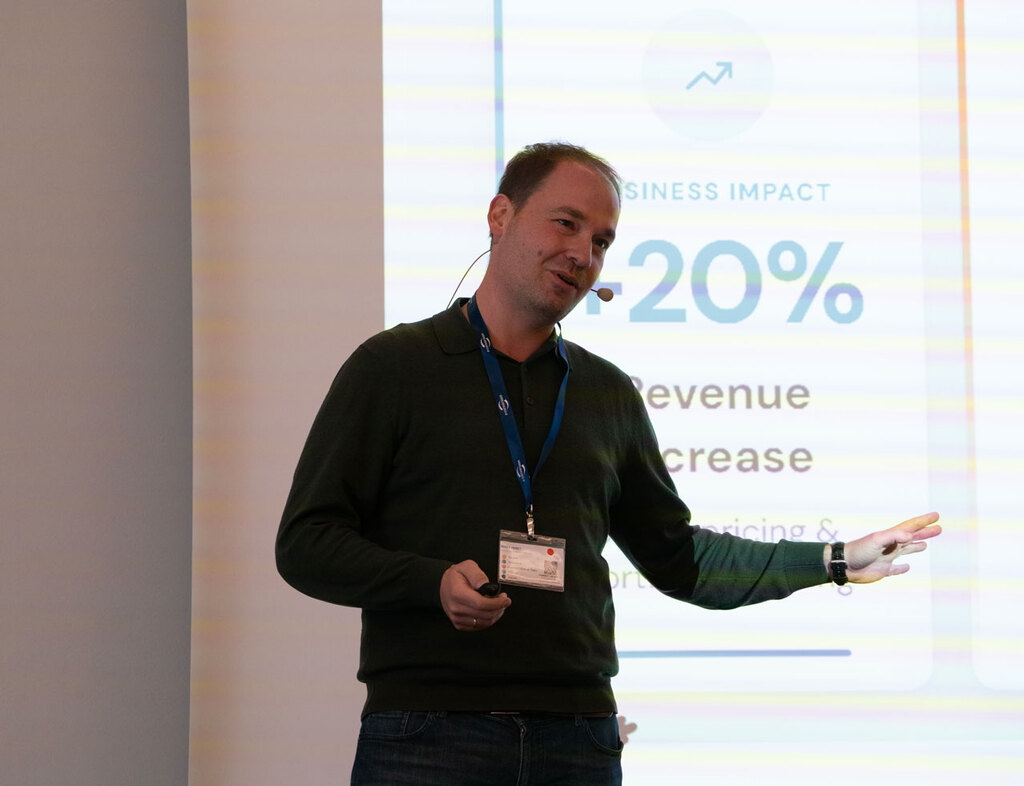
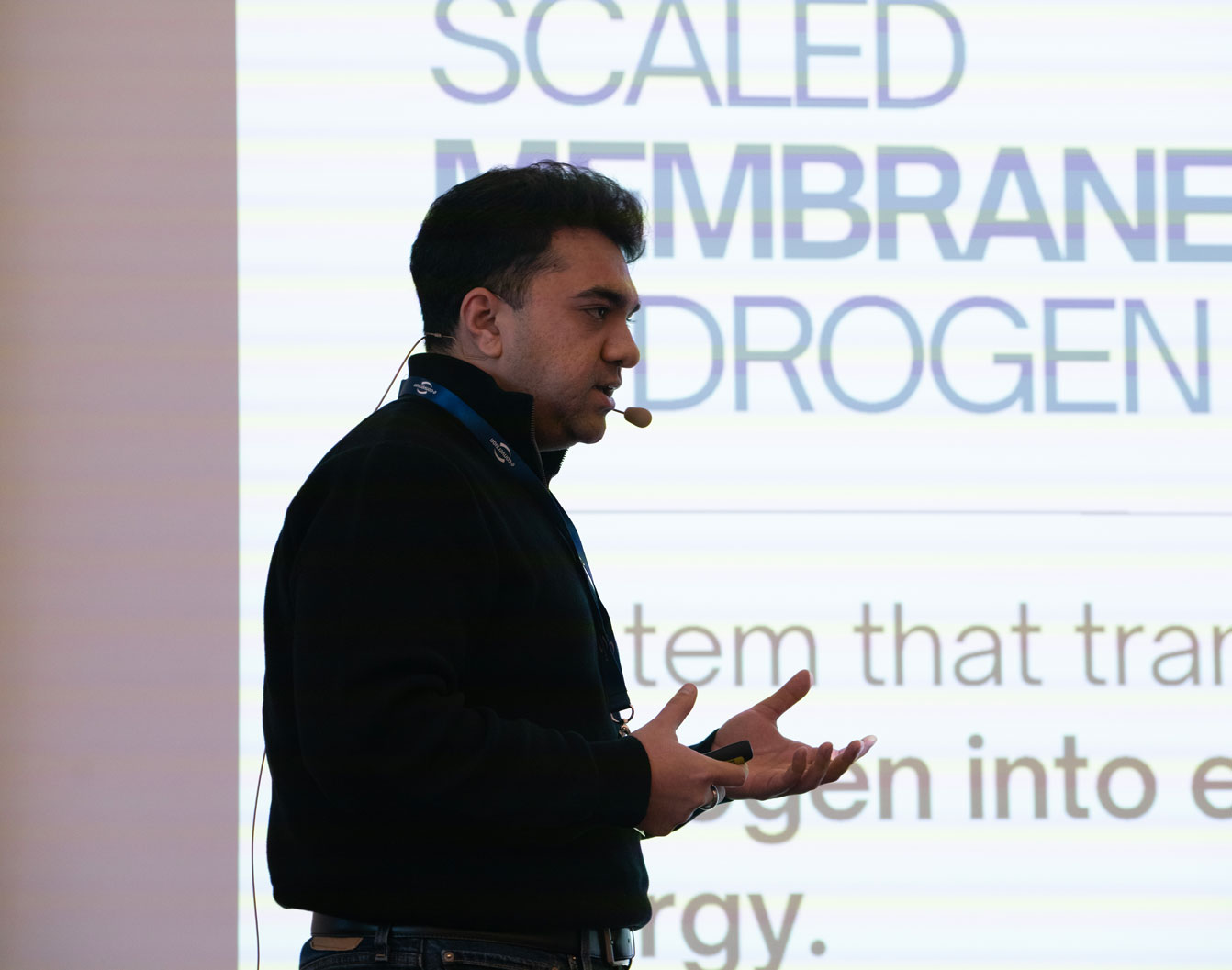
Igor Schapiro, Founder & CEO of DATFID, impressed the jury and won the Start-up Pitch Competition. (Photo: V. Hiendl / e-conversion)
Simone Ezendam added a complementary perspective: “If you do not encounter entrepreneurs in your environment, you may not even consider entrepreneurship a realistic option for yourself. You cannot imagine such a path if you do not see yourself reflected in that role.” Role models and early exposure to entrepreneurship can therefore make a decisive difference. Jennifer Rupp contributed her own experience as both a scientist and founder. Networks can open doors that initially remain closed to young entrepreneurs. “But you also need the courage to walk through those doors yourself,” she encouraged. “My message to anyone considering a leadership role is this: If you are given the opportunity to lead, take it. It is okay not to have every skill already. Making mistakes is part of the process.”
The discussion highlighted that the question of the best teams cannot be separated from the question of the best networks. Those with access to contacts, role models, and capital begin from a different starting point. A thriving start-up ecosystem must therefore not only identify the most promising teams, but also ensure that talent outside established networks becomes visible.
Start-up pitches and founder stories
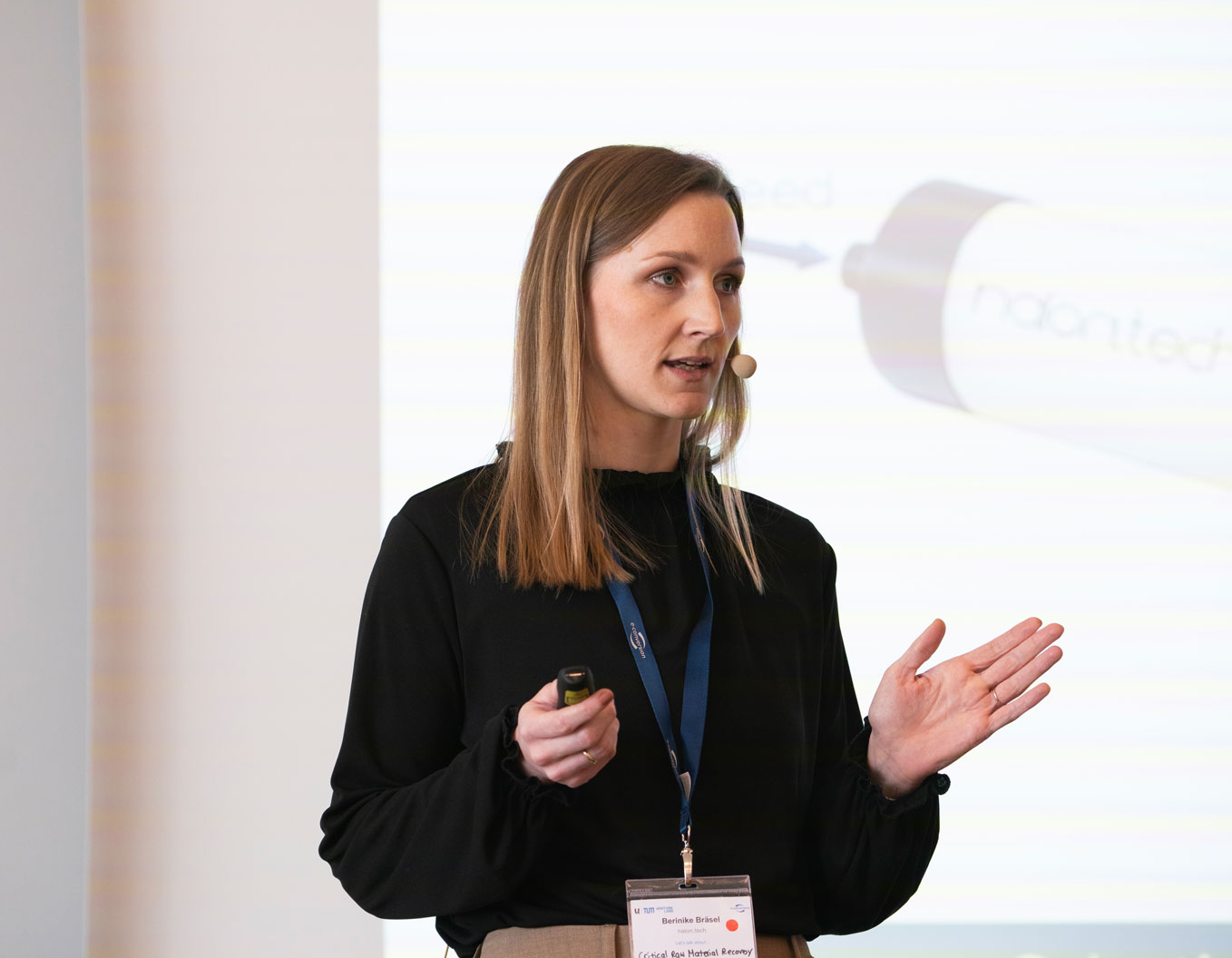
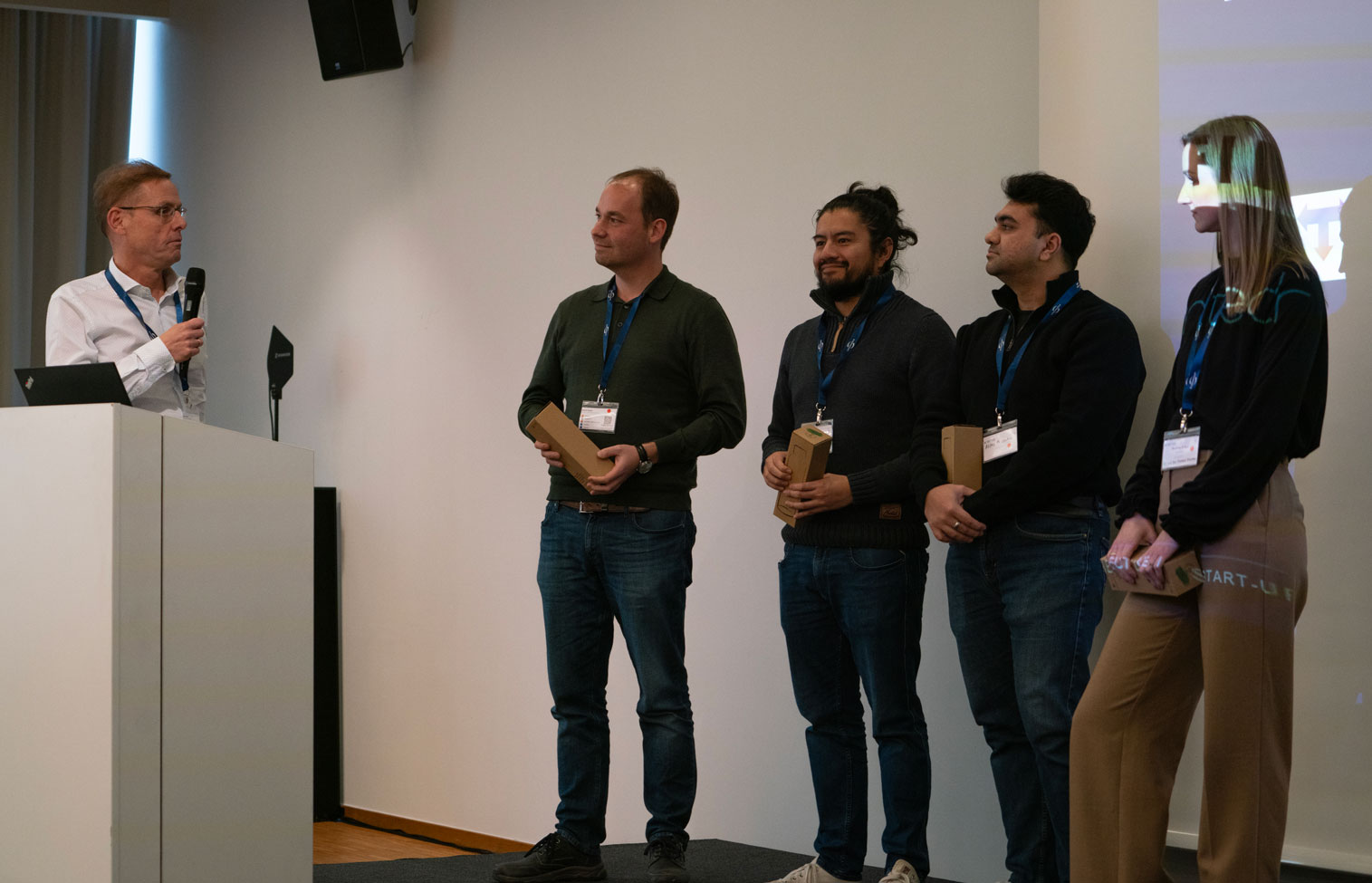
The Start-up Pitch Competition that followed demonstrated how research ideas can be transformed into concrete business models. Early-stage ventures DATFID, MicroFuel, Seeyu, naion.tech, and NEENO presented their companies to the audience and faced evaluation by the jury. Assessment criteria included not only technological innovation and the problem-solution fit, but also the expertise, diversity, and commitment of the teams, as well as the quality and persuasiveness of their presentations. In the end, Igor Schapiro, Founder and CEO of DATFID, won the competition. The Munich-based start-up develops interpretable AI solutions for B2B forecasting, combining expertise in computer science and quantitative economics. Thanks to UnternehmerTUM’s Funding for Innovators program, the winning team received a €500 cash prize.
Additional insights came during the afternoon’s Start-up Success Stories. Dr. Patrick Ganswindt from QKERA, Dr. Gianluca Pauletto from SYPOX, and Dr. Mohsen Beladi from iNSyT shared their experiences as founders and illustrated different pathways from academia to entrepreneurship. In doing so, they reinforced the central message of the day: there is no single route from research to the market. What successful ventures have in common are people who recognize scientific opportunities, build strong teams, and are willing to embrace new roles and perspectives.
The e-conversion Start-up Day made one thing clear: the crucial question is not whether excellent ideas emerge from research. They do, every single day. The real challenge is whether people, networks, and support structures come together to transform those ideas into successful companies. Making those connections visible and strengthening them was the central mission of Powering the Future.
Impressions from Powering the Future 2026
(More photos will follow as soon as possible)


Photos: V. Hiendl / e-conversion