

Fundamentals of Energy Conversion Processes
A DFG Cluster of Excellence
News

ZEISS Women Award 2024 for Dr. Fuzhan Rahmanian
Caroline Zörlein2025-01-27T13:54:52+01:00Nov 11, 2024|
Recognition for Outstanding Contributions in Data Science and Digitalization.

Review: e-conversion at Munich Postdoc Night
Caroline Zörlein2024-11-05T09:46:06+01:00Nov 5, 2024|
Highlights from the event at Bayerische Akademie der Wissenschaften.

Significant Extension of Zinc Battery Lifespan
Caroline Zörlein2024-10-29T09:59:12+01:00Oct 29, 2024|
TUM Researchers Develop New Chemical Method for Improved Energy Storage.
Events
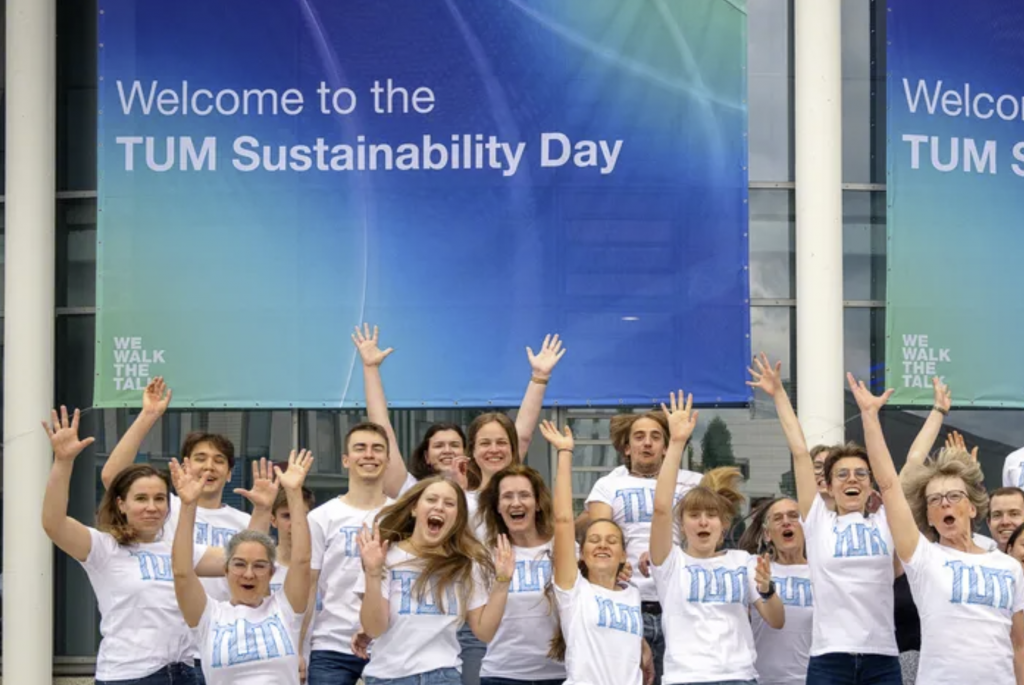

e-conversion Conference 2026
The next cluster conference will take place in Venice from 4 October to 9, 2026.
Highlights





Recent Publications
M L Peng, S Amzil, Z Z Ru, M Q Wu, T H Xu, T L Zheng, S Y Luo, Y H Li, Y Y Xiao, S Tian, J Gao, P Müller-Buschbaum, Y J Cheng, Y G Xia
Tailored anion-solvent solvation for robust wide-temperature and high-voltage lithium-ion batteries Journal Article
In: Materials Today Energy, vol. 54, 2025, ISSN: 2468-6069.
@article{nokey,

title = {Tailored anion-solvent solvation for robust wide-temperature and high-voltage lithium-ion batteries},

author = {M L Peng and S Amzil and Z Z Ru and M Q Wu and T H Xu and T L Zheng and S Y Luo and Y H Li and Y Y Xiao and S Tian and J Gao and P M\"{u}ller-Buschbaum and Y J Cheng and Y G Xia},

url = {\<Go to ISI\>://WOS:001600386900001},

doi = {10.1016/j.mtener.2025.102084},

issn = {2468-6069},

year  = {2025},

date = {2025-12-01},

journal = {Materials Today Energy},

volume = {54},

abstract = {Lithium-ion batteries (LIBs) face increasing demands for high performance across extreme temperatures and high-voltage conditions. However, the traditional carbonate-based electrolytes often fail to meet these challenges due to limited lithium-ion transport and formation of unstable interphases at both anode and cathode electrodes. Herein, we propose a weakly solvating electrolyte (WSE) system, combining sulfonated linear dimethyl sulfite (DMS), weakly solvating difluoro ethylene carbonate (DFEC), and dissociated lithium difluoro (oxalato)borate (LiDFOB). By tuning both the solvent and anion interactions, the interphase stability is enhanced while maintaining high ionic conductivity, providing a balanced solution for high-voltage and wide-temperature applications. The designed electrolyte system enables fast charging performance in NCM811||graphite full cell, demonstrating 81 % capacity retention after 1000 cycles at a 4.5 V cutoff, with an average coulombic efficiency (CE) of 99.9 %. Additionally, the electrolyte system ensures stable cycling across a wide temperature range (-20 degrees C-80 degrees C), providing a promising strategy for next-generation LIB electrolytes.},

keywords = {},

pubstate = {published},

tppubtype = {article}

}
D H Nguyen, M Osenberg, C Schneider, J Moosmann, F Beckmann, I Manke, B V Lotsch
Effect of Stack Pressure on the Microstructure and Ionic Conductivity of the Slurry-Processed Solid Electrolyte Li7SiPS8 Journal Article
In: Advanced Materials Interfaces, 2025, ISSN: 2196-7350.
@article{nokey,

title = {Effect of Stack Pressure on the Microstructure and Ionic Conductivity of the Slurry-Processed Solid Electrolyte Li7SiPS8},

author = {D H Nguyen and M Osenberg and C Schneider and J Moosmann and F Beckmann and I Manke and B V Lotsch},

url = {\<Go to ISI\>://WOS:001614296200001},

doi = {10.1002/admi.202500845},

issn = {2196-7350},

year  = {2025},

date = {2025-11-14},

journal = {Advanced Materials Interfaces},

abstract = {All-solid-state batteries (ASSBs) have gained much interest in recent years because they promise higher energy and power densities as well as improved safety over lithium-ion batteries (LIBs). This is achieved by using non-flammable solid electrolytes (SEs) together with lithium metal or high-capacity silicon anodes. One major hurdle to overcome is the permanent intimate contact of all cell components to enable long-term cycling stability. This study investigates the macroscopic (microstructure) and microscopic (atomistic) effects of uniaxial stack pressure on the transport properties of free-standing, slurry-processed tetragonal (t-Li7SiPS8) sheets, containing different solid electrolyte (SE)-to-binder ratios (SE:B) and particle size fractions. The results demonstrate that binder content and particle size significantly influence the morphology as evidenced by synchrotron-radiation computed tomography (CT), pressure response, and ionic conductivity of the sheets. Notably, while compression mechanics are consistent across samples, relative densities, and ionic conductivities are more dependent on binder content than particle size. Larger particles and lower binder contents generally led to higher ionic conductivities. The study also reveals that activation volumes appear to increase with binder content, suggesting that extrinsic factors, particularly the binder, may obscure the calculation of the intrinsic activation volumes of t-Li7SiPS8. Thus, the obtained values for binder-containing sheets may be considered apparent values. Contrary to expectations, repeated compression cycles led to a decreased ionic conductivity and relative density, likely due to microstructural damage and increased (apparent) activation volumes. Overall, the study serves as a reminder to the community to carefully interpret intrinsic values, such as the activation volume, and by extension the activation energy, in the increasingly popular binder-containing SE sheet systems.},

keywords = {},

pubstate = {published},

tppubtype = {article}

}
R Babu, J E Heger, T Dutta, X W Hu, N Pradhan, P Muller-Buschbaum, S Gomez-Grana, L Polavarapu
Chiral Molecules in Action: Chemistry of Chiral Perovskite and Perovskite-Inspired Materials Journal Article
In: Acs Energy Letters, vol. 10, no. 11, pp. 5703-5721, 2025, ISSN: 2380-8195.
@article{nokey,

title = {Chiral Molecules in Action: Chemistry of Chiral Perovskite and Perovskite-Inspired Materials},

author = {R Babu and J E Heger and T Dutta and X W Hu and N Pradhan and P Muller-Buschbaum and S Gomez-Grana and L Polavarapu},

url = {\<Go to ISI\>://WOS:001600374000001},

doi = {10.1021/acsenergylett.5c02877},

issn = {2380-8195},

year  = {2025},

date = {2025-11-14},

journal = {Acs Energy Letters},

volume = {10},

number = {11},

pages = {5703-5721},

abstract = {The emergence of chiral metal halides marks a pivotal advancement in materials science, where structural asymmetry enables unprecedented control over spin-selective transport and polarized light interactions for optoelectronic and spintronic technologies. The introduction of chiral ligands into the metal halide lattice or on the surface of NCs imparts chirality to the corresponding hybrid materials, which adapts the handedness (R or S) of the chiral molecule. The choice of chiral molecule and metal halide type critically influences the crystal structure and dimensionality of metal halide crystals and thus their properties. Despite significant progress, the relationship between structure and chiroptical efficiency remains unclear. Nonetheless, they show great promise for spin filtering, enabling the fabrication of chiral LEDs and photodetectors. Considering these advancements, this Perspective focuses on the chiral-ligand-assisted design, synthesis, and functional exploration of chiral metal halide bulk and nanocrystals, along with the outstanding challenges that need to be addressed in the future.},

keywords = {},

pubstate = {published},

tppubtype = {article}

}
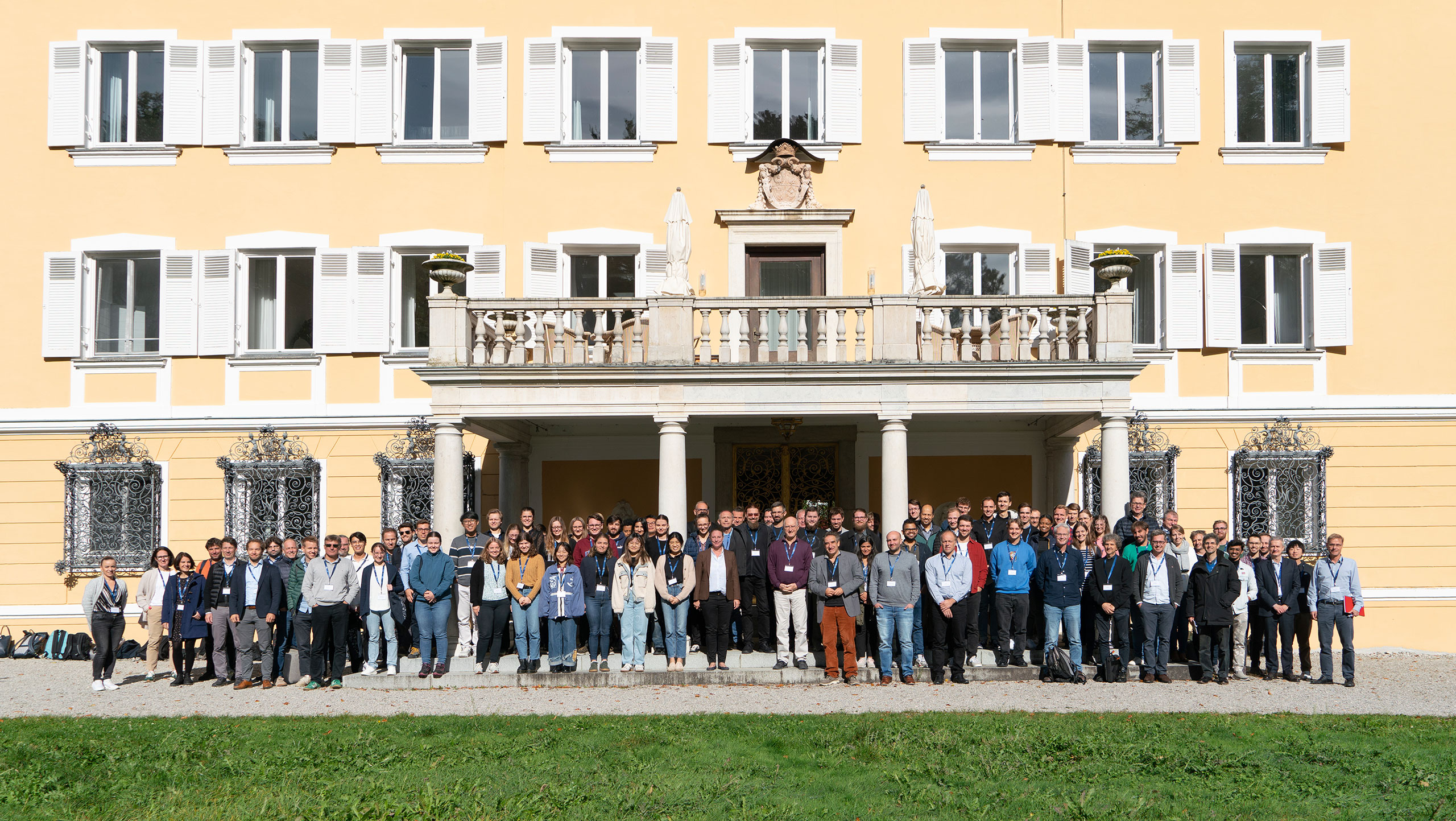
3rd e-conversion conference in Tutzing 2023
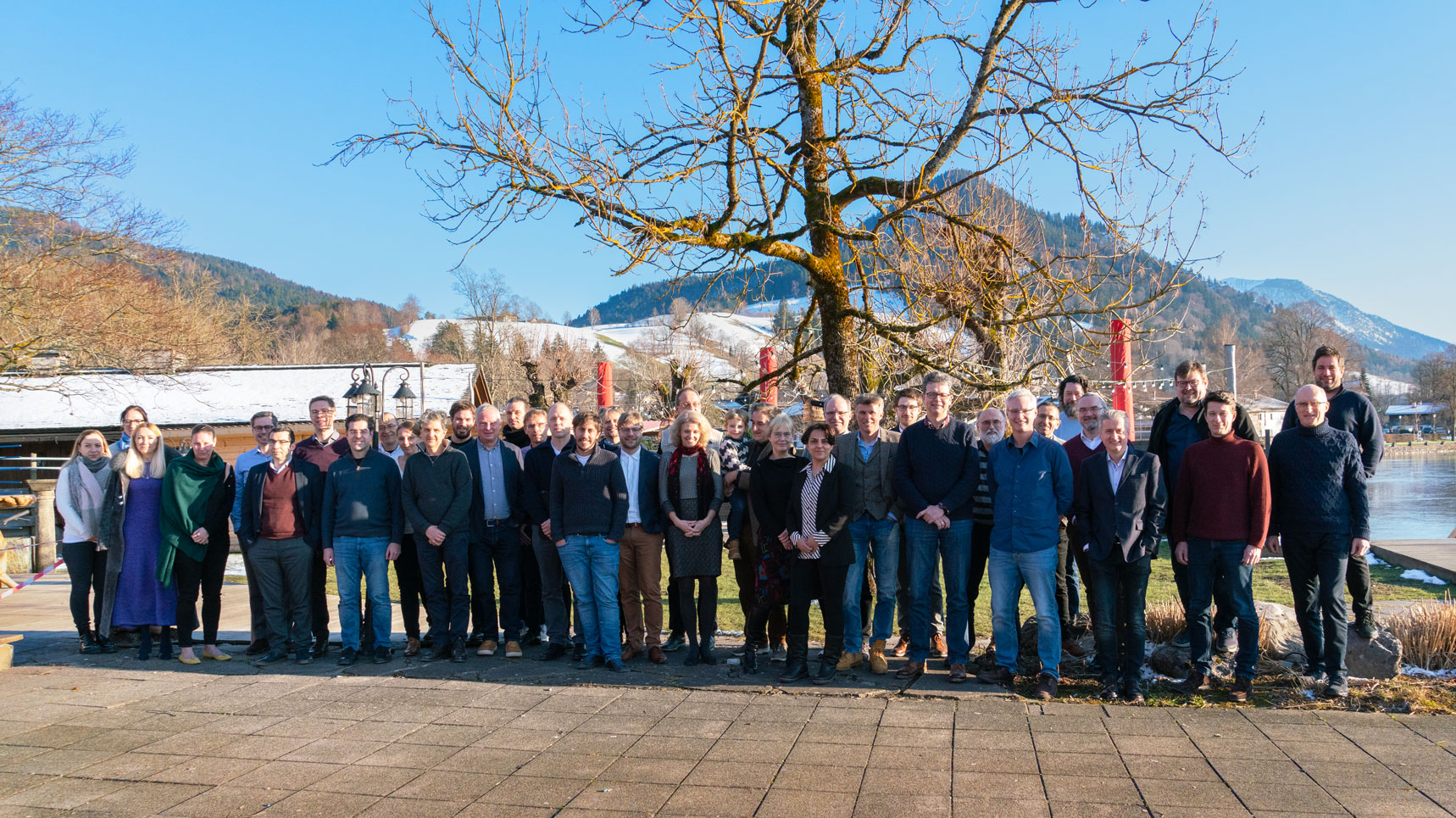
Retreat Schliersee 2023
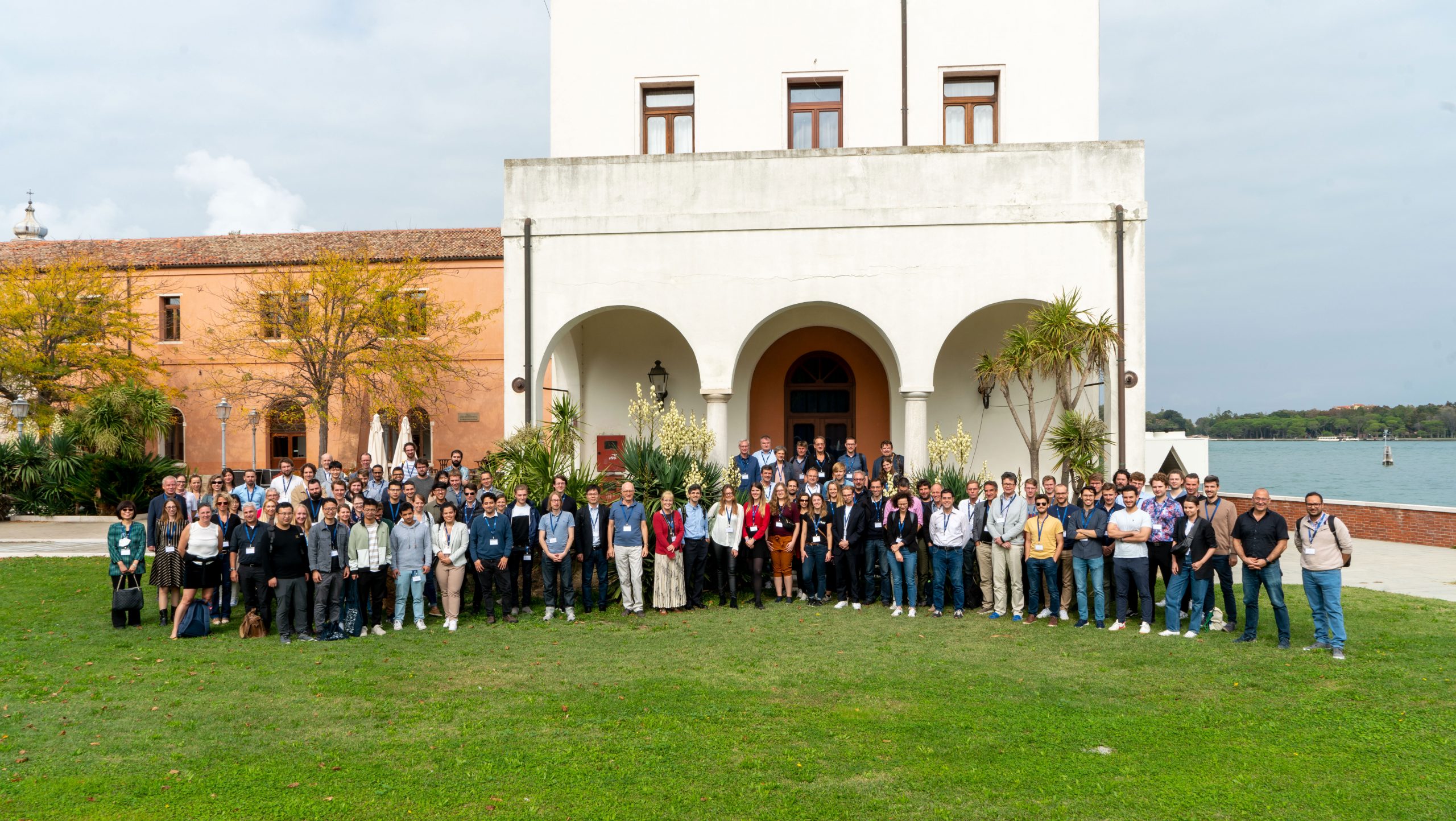
2nd e-conversion conference in Venice 2022
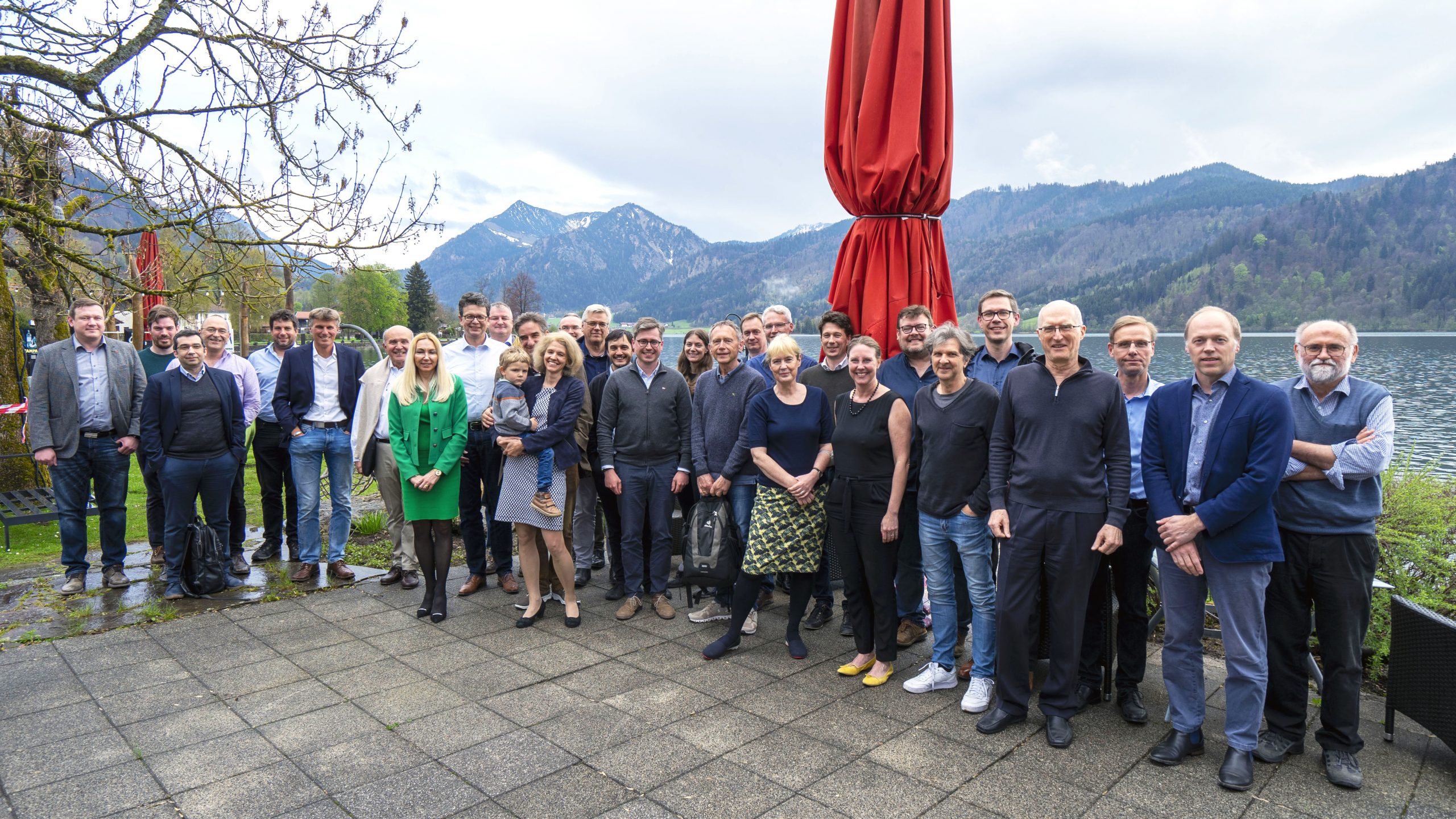
Retreat Schliersee 2022
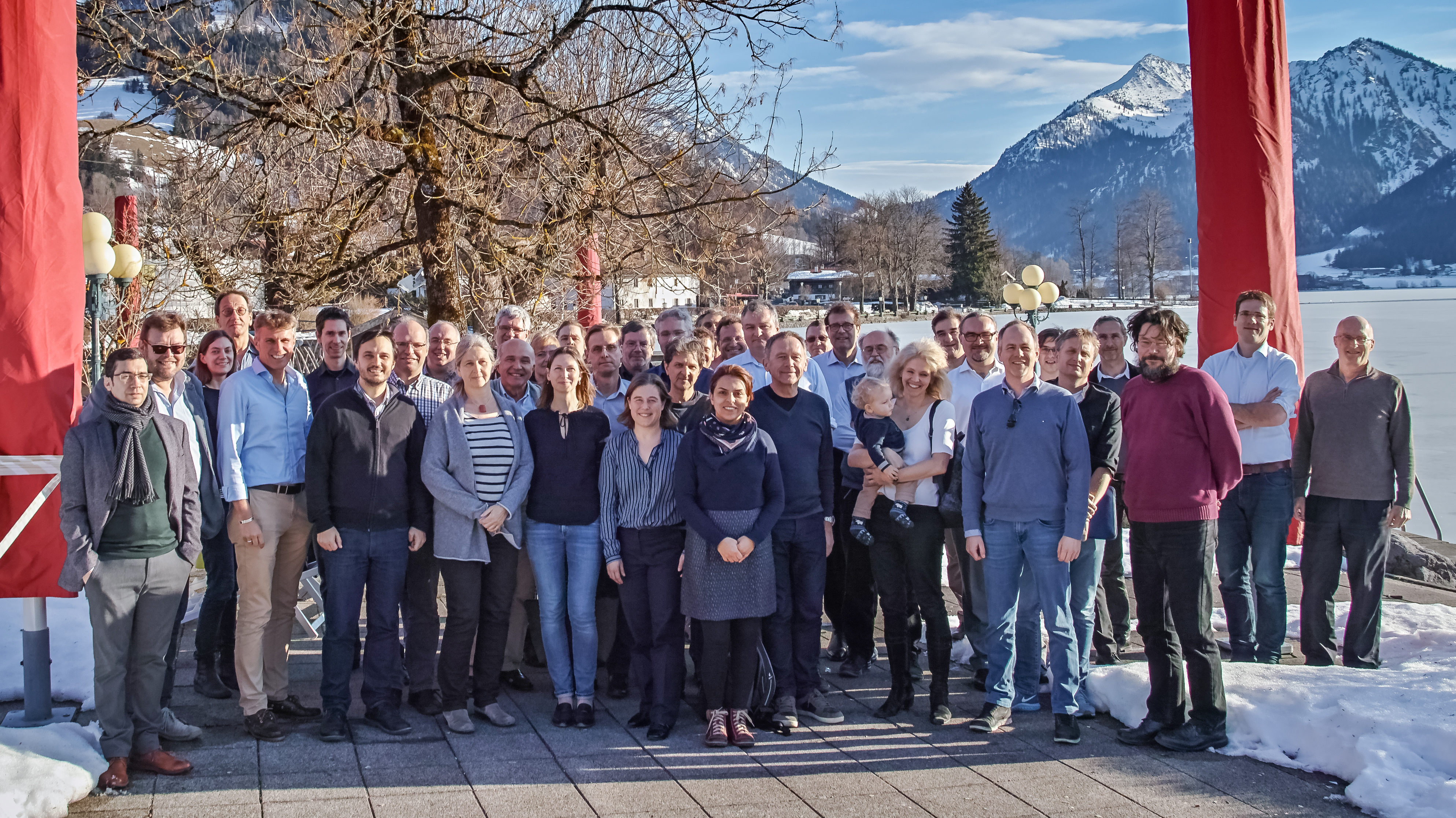
Kick-off meeting Schliersee 2019