

Integrated Energy Conversion and Storage
A DFG Cluster of Excellence

Off to new shores
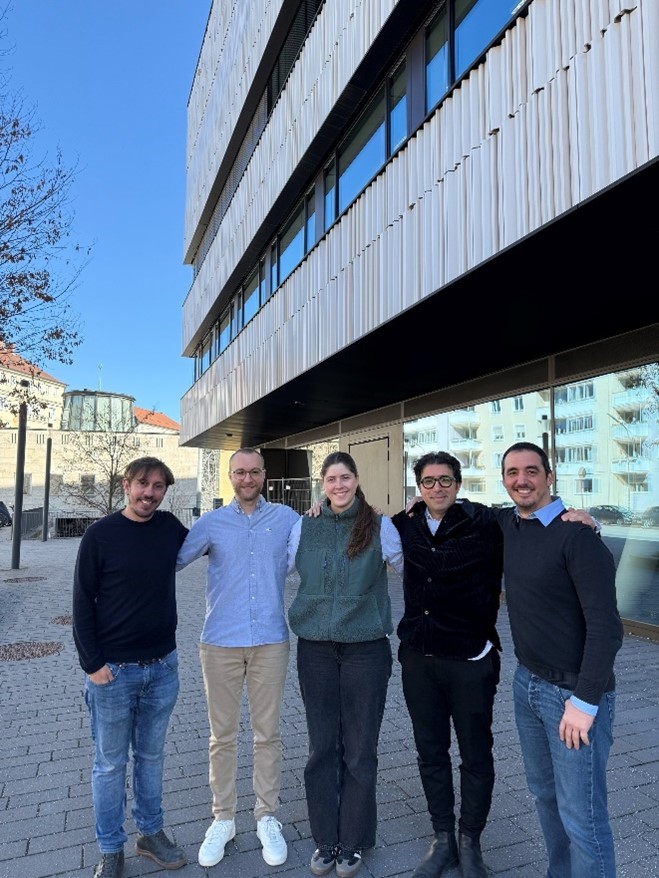
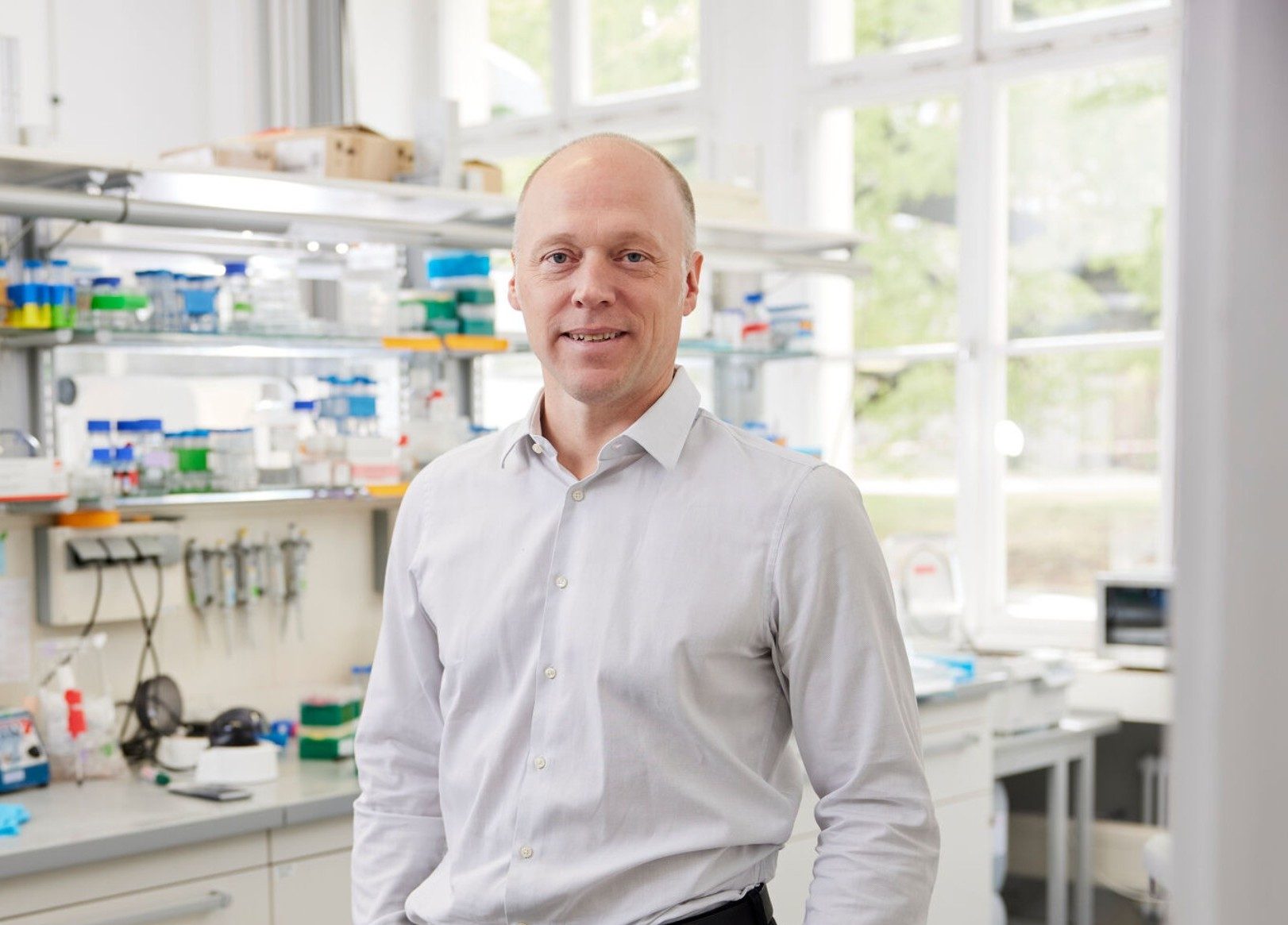
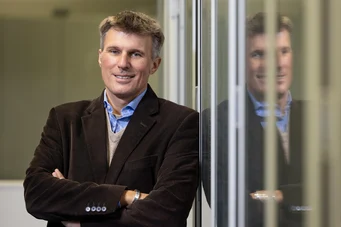
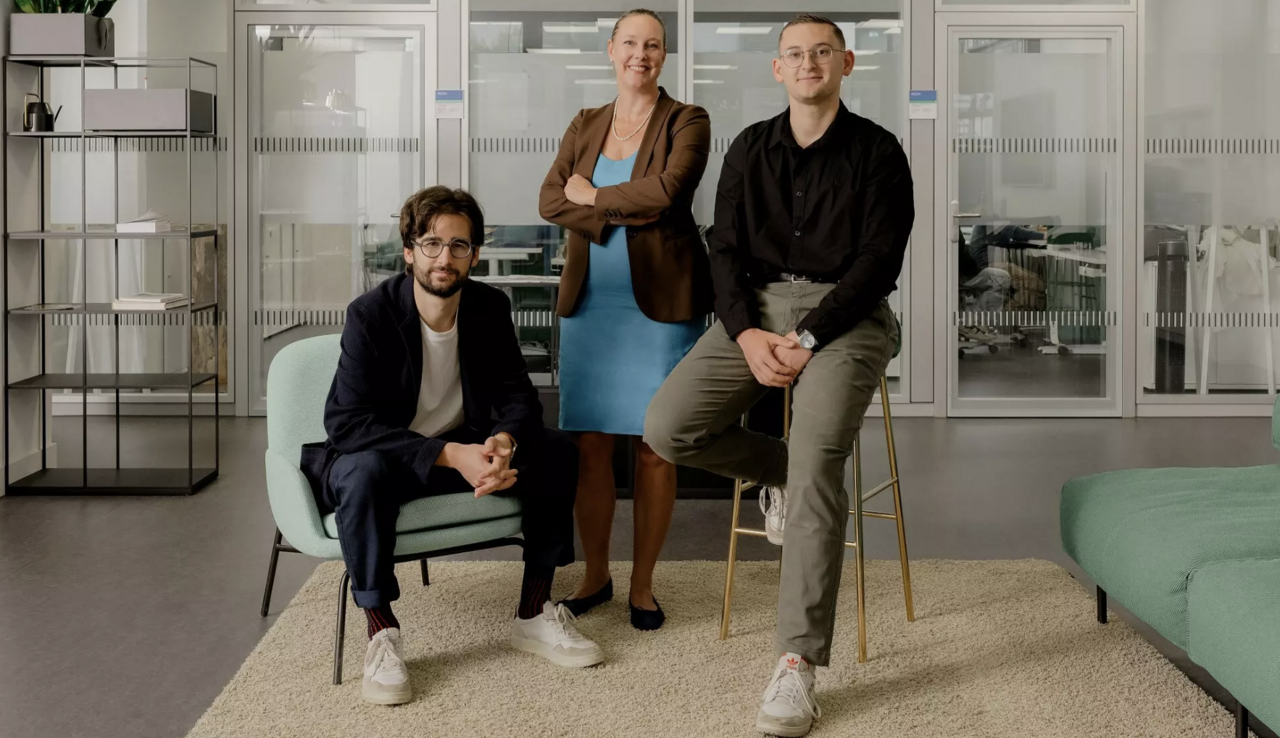
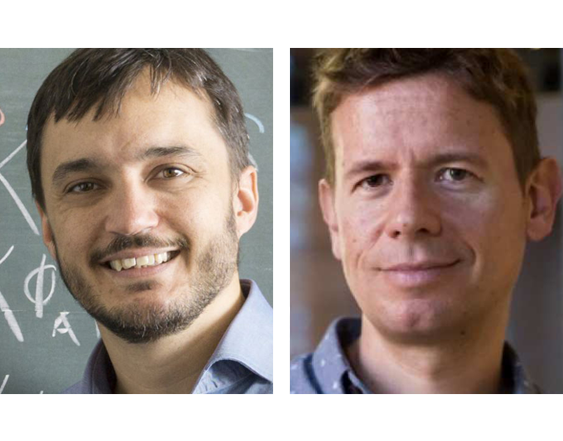
Two of our members accepted calls from other universities. Prof. Harald Oberhofer moved to Bayreuth, Prof. Stefan Maier starts down under at Monash University close to Melbourne. All the best!
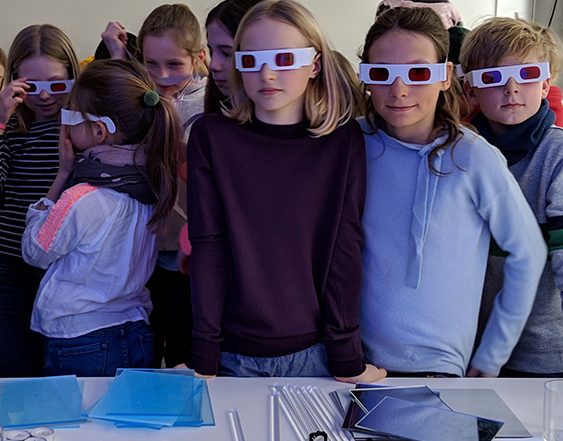
Working like a real scientist
This spring nearly 500 high school students are taking part in the joint school program of e-conversion and TUMjunior to get an impression of how research works.
About e-conversion
The e-conversion Cluster of Excellence, funded by the Deutsche Forschungsgemeinschaft (DFG, German Research Foundation), focuses on researching energy conversion processes that take place at interfaces. Wherever light, charges, and matter interact, our Cluster of Excellence explores the fundamentals of future energy technologies.
How can we convert and store energy more efficiently and sustainably? This question lies at the heart of e-conversion. The Cluster of Excellence investigates interfaces – the areas where light, charge, and matter come together. At these junctions, the key processes of energy conversion take place. This is where the joint Cluster of Excellence of the Technical University of Munich and Ludwig-Maximilians-Universität München, together with its partner institutions (see below), concentrates its research efforts. e-conversion brings together more than 40 research groups working to understand the structures, phenomena, and processes at interfaces in detail. The reason: Whether in solar cells, (photo)catalytic reactors, or batteries, the mechanisms of energy conversion at the microscopic and (sub-)atomic level are remarkably similar. Despite different classes of materials, processes such as charge separation and ion transport exhibit comparable characteristics. Read more…
Media



Events

e-conversion Conference 2026
The next cluster conference will take place in Venice from 4 October to 9, 2026.
Recent Publications
A reflection on 'A hydrazone-based covalent organic framework for photocatalytic hydrogen production': teaching sponges new tricks Journal Article
In: Chemical Science, vol. 17, no. 12, pp. 5777-5781, 2026, ISSN: 2041-6520.
In: Angewandte Chemie-International Edition, 2026, ISSN: 1433-7851.
In: Inorganic Chemistry, 2026, ISSN: 0020-1669.
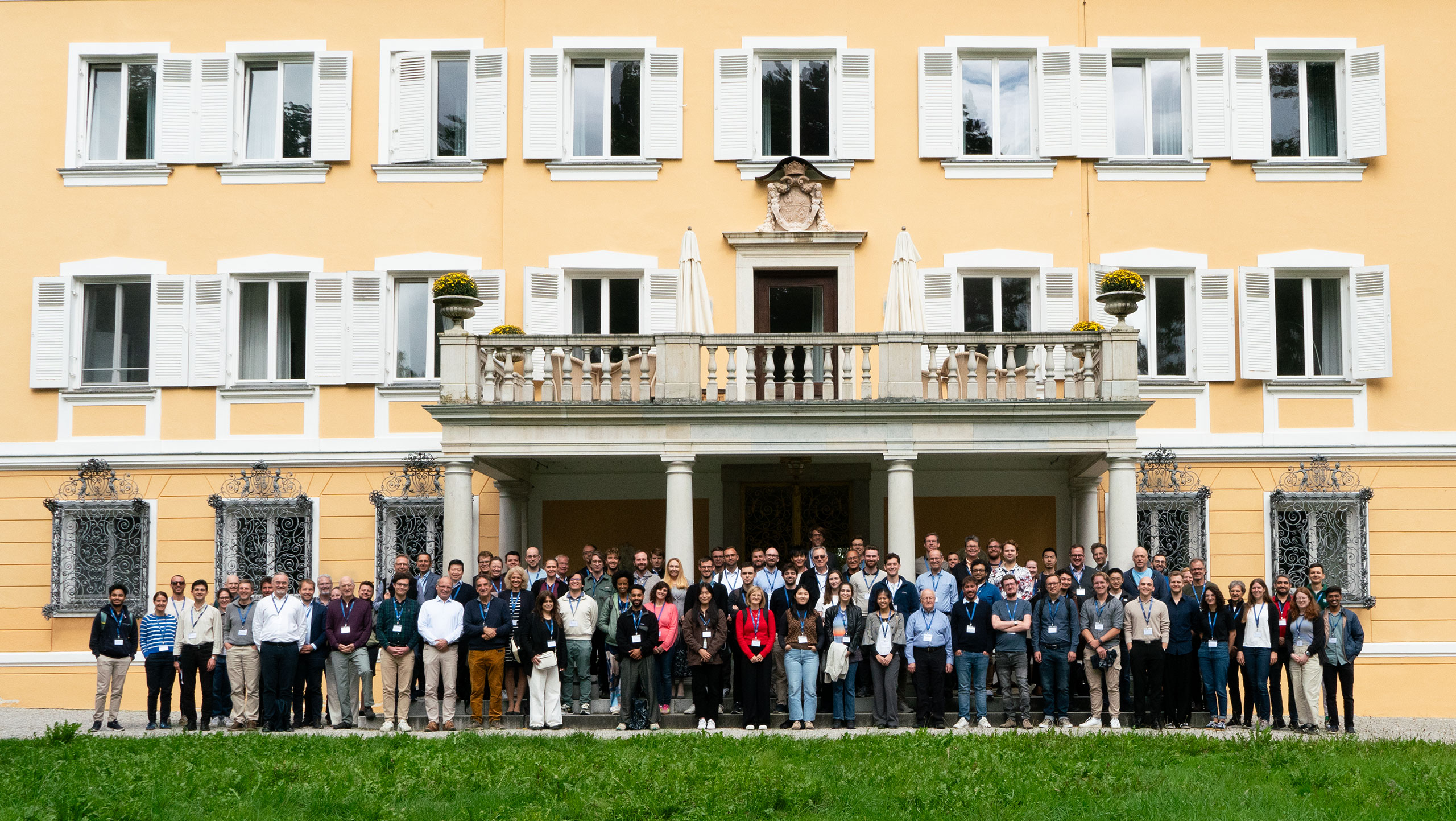
5th e-conversion Cluster Conference in Tutzing 2025
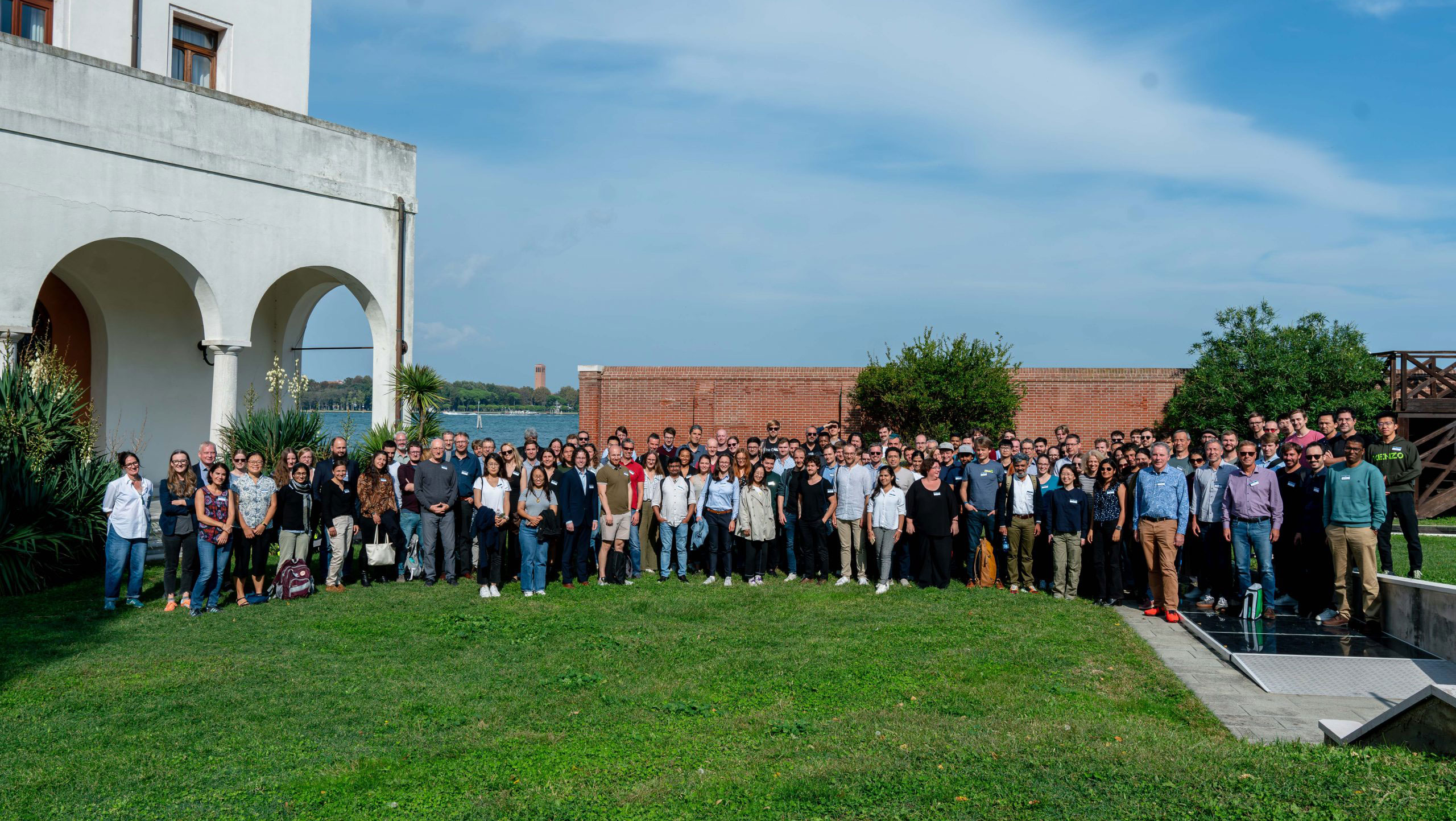
4th e-conversion Cluster Conference and CeNS Workshop in Venice 2024
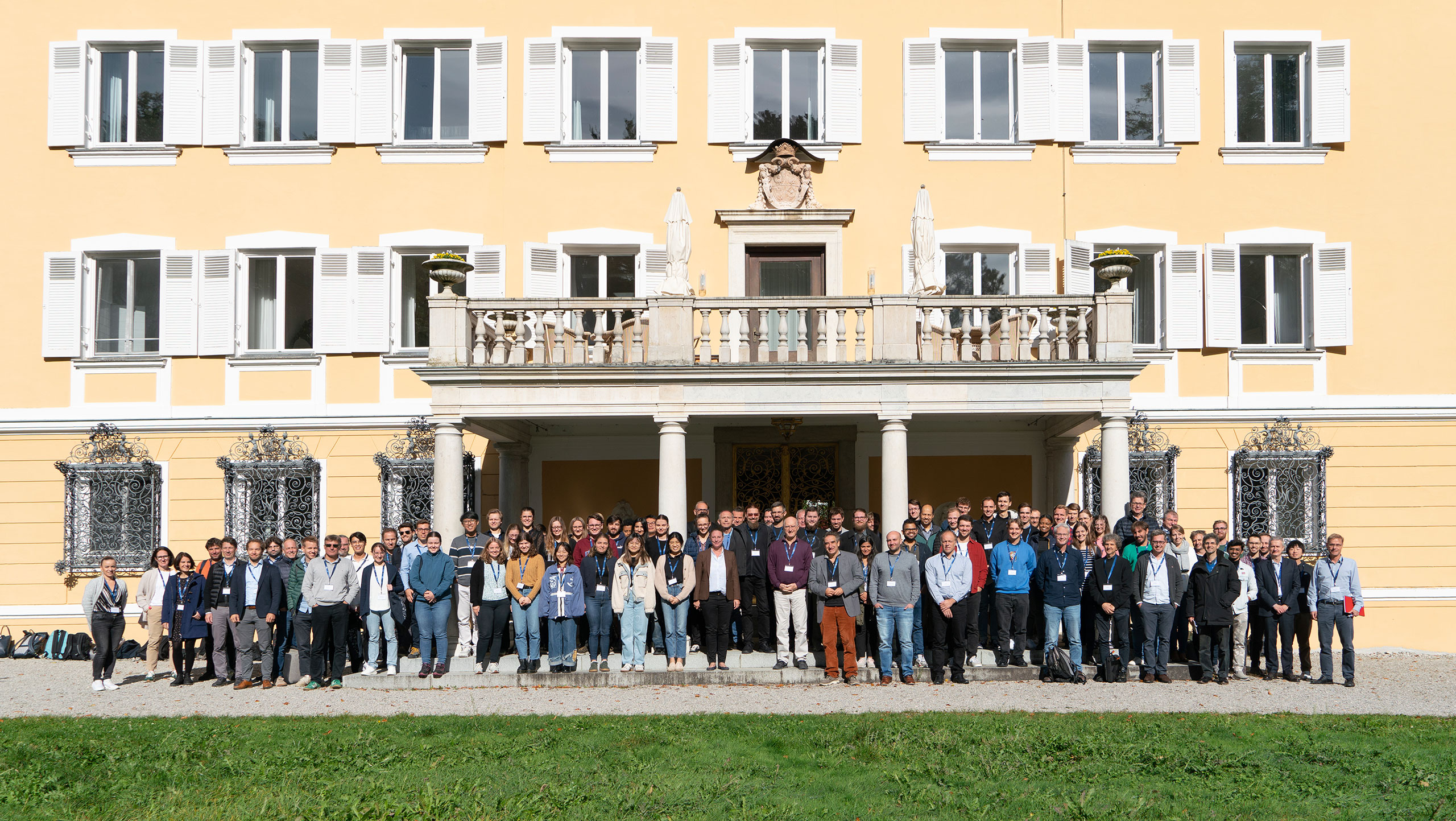
3rd e-conversion conference in Tutzing 2023
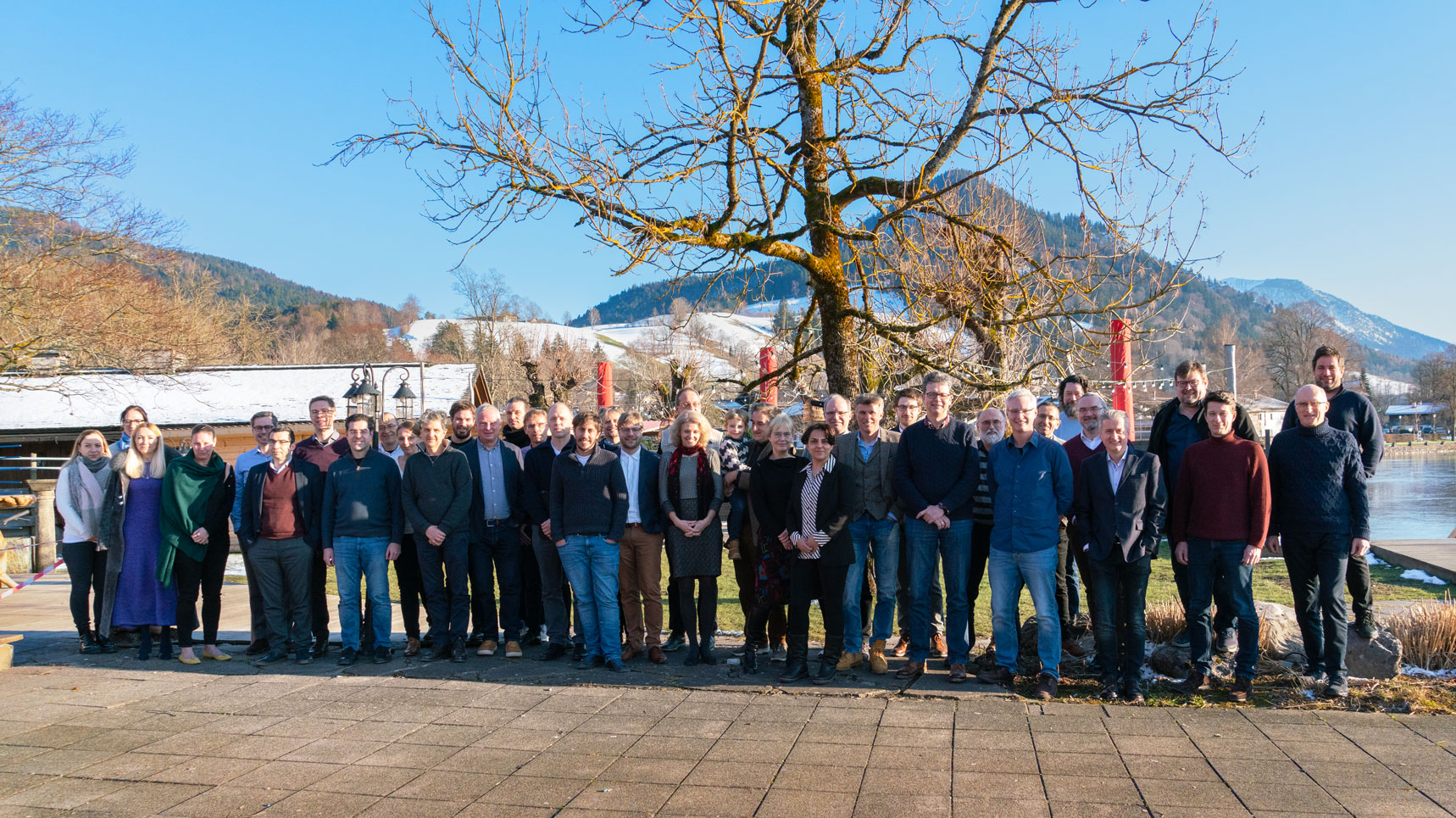
Retreat Schliersee 2023
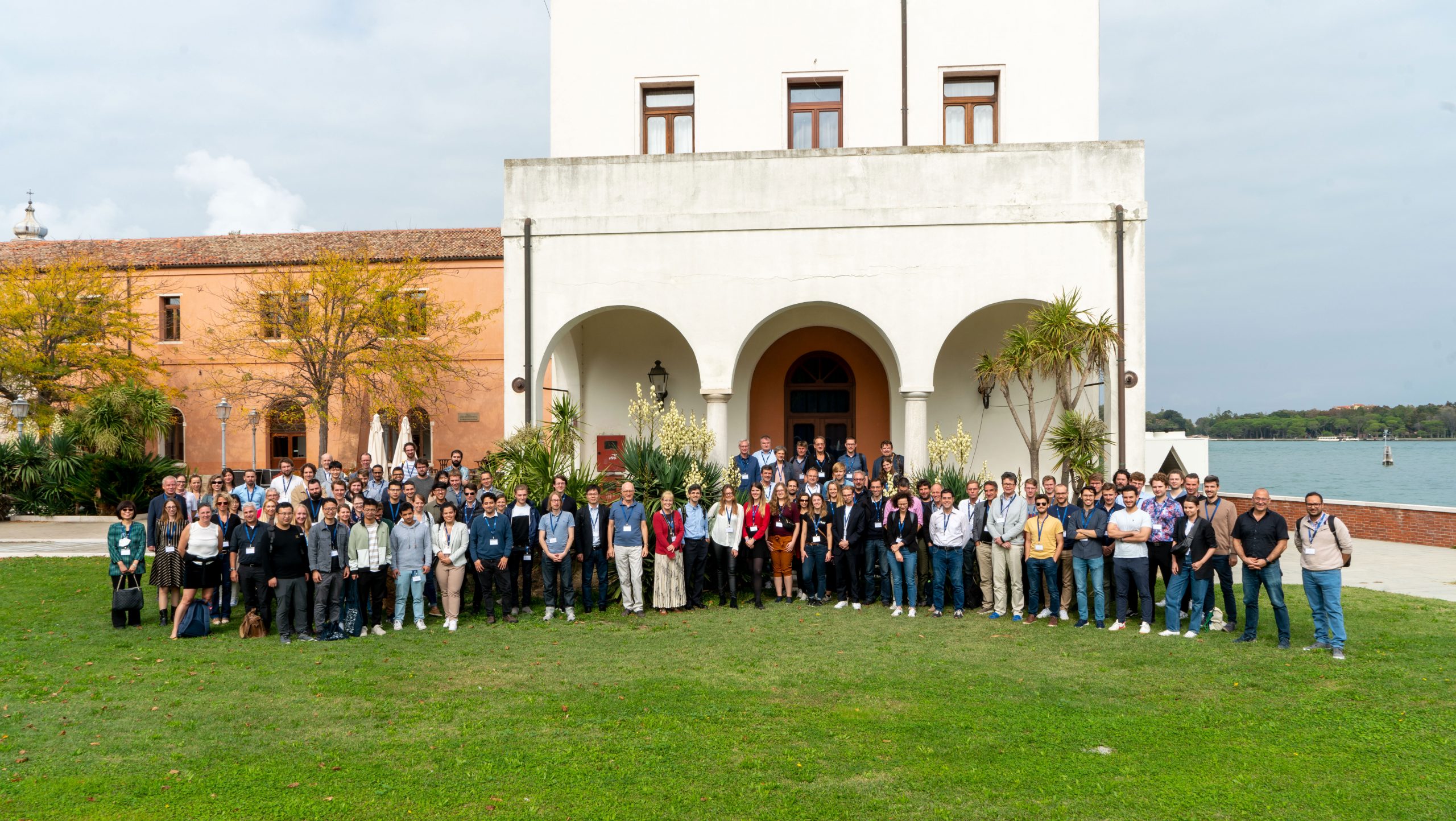
2nd e-conversion conference in Venice 2022
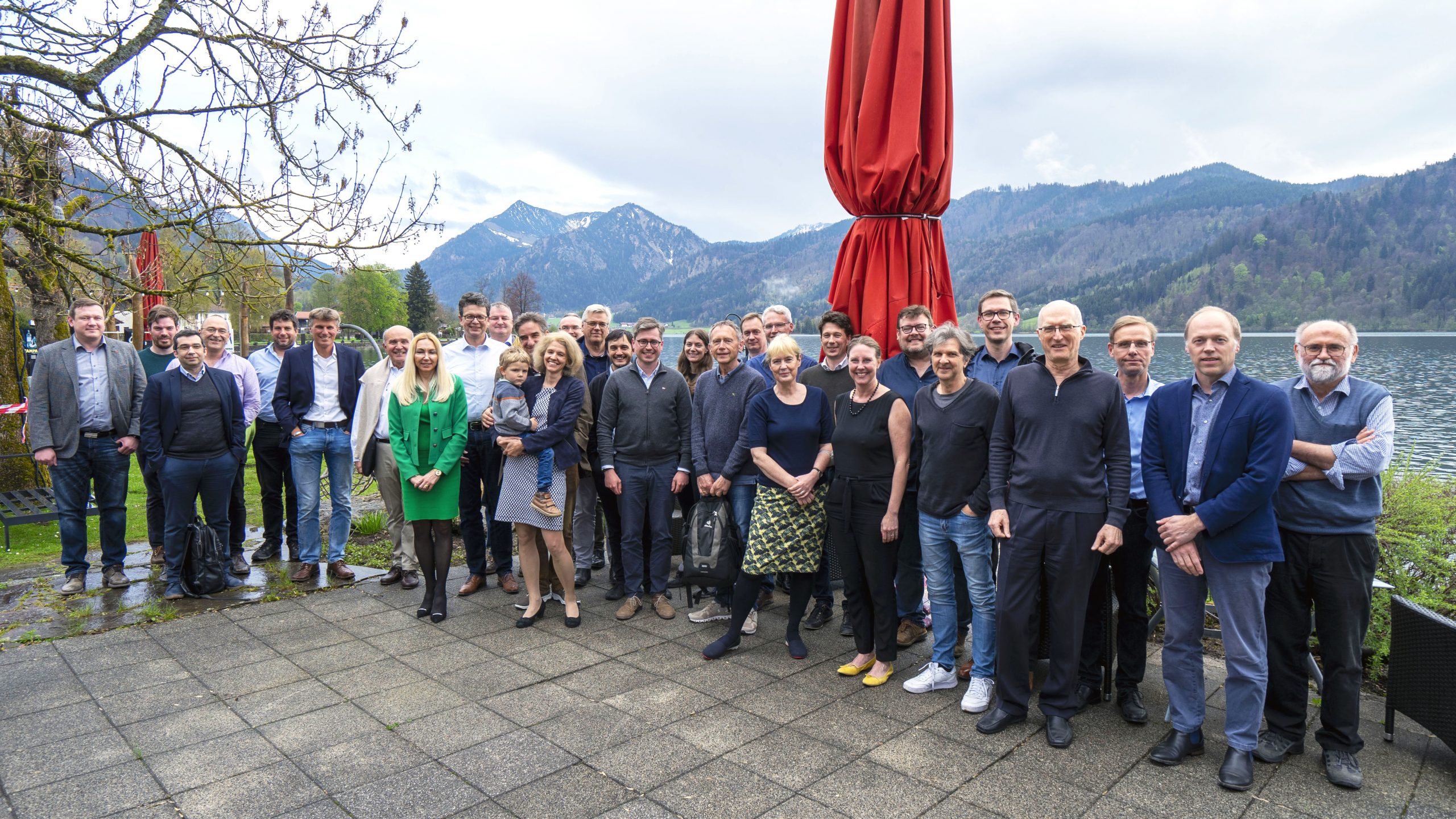
Retreat Schliersee 2022
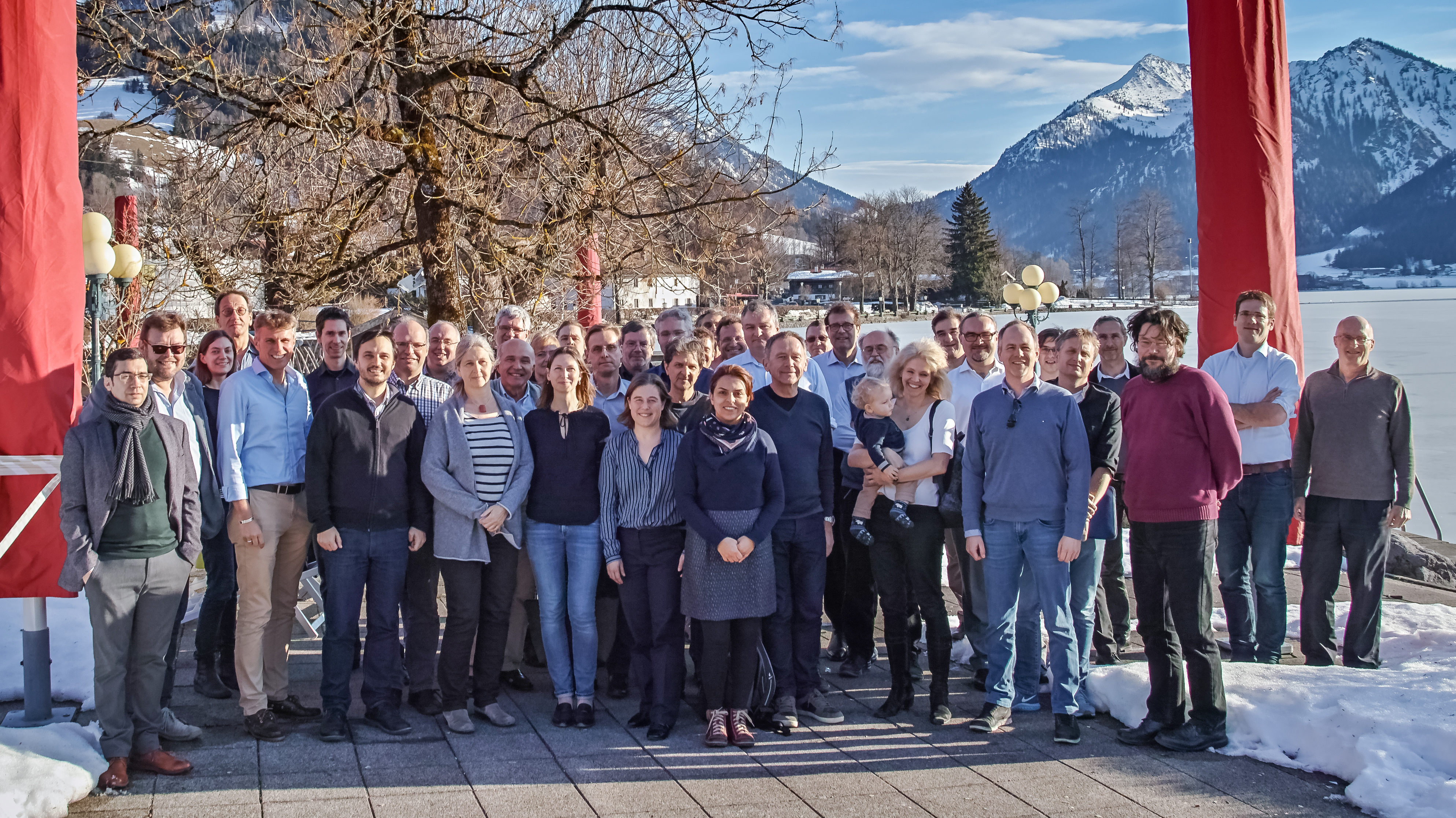
Kick-off meeting Schliersee 2019