

How can we create a livable future with limited resources? This question was at the heart of the KS Energy and Environment Award 2026, where TUM researcher and e-conversion expert Prof. Dr. Helge Stein gave the keynote address. The long-established event hosted by Automobilclub KS e.V. brought together representatives from science, industry, and politics and honored pioneering solutions for sustainable mobility.
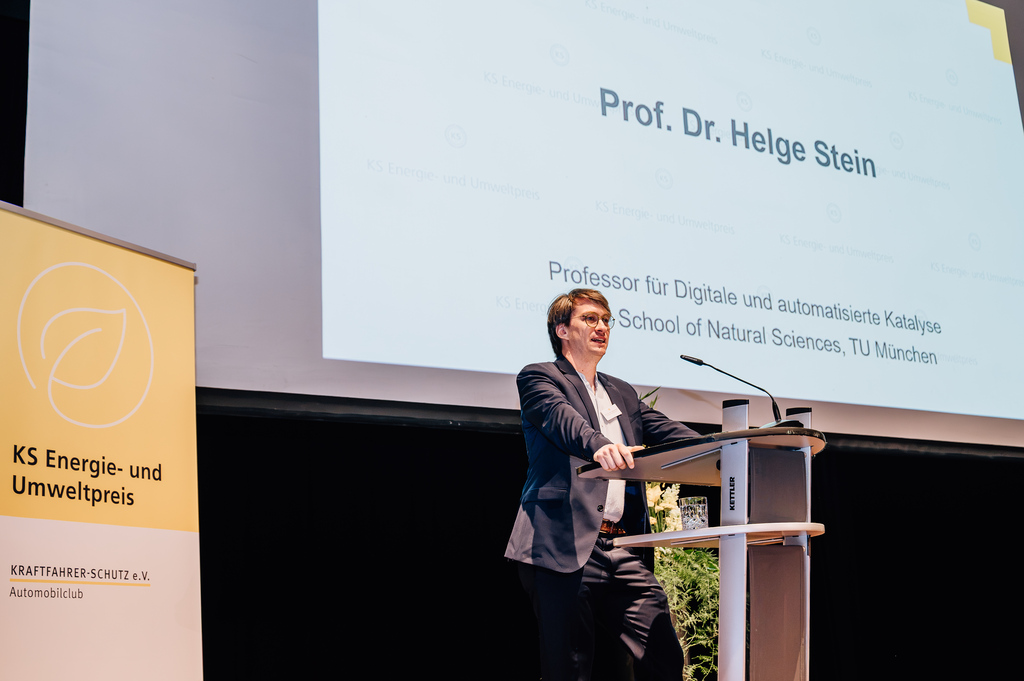
Prof. Helge Stein gives his keynote at the 44th KS Energy and Environment Award ceremony at the Alte Kongresshalle in Munich. (Photo: Mica Zeitz)
In his keynote address, Helge Stein highlighted the role of innovation as a catalyst for the mobility transition and showed how circular economy approaches, resource efficiency, and intelligent mobility concepts can contribute to sustainable transformation. He argued that true progress primarily emerges where barriers are lowered—whether in recovering valuable battery materials or in making better use of existing transport capacities: “For 44 years, the KS Energy and Environment Award has honored those who do not wait for perfect conditions, but instead lower the barriers—so that the rest of us can overcome them more easily. That is the true definition of progress.”
At the same time, Helge Stein emphasized the fundamental limits of our economic system: “The Earth system has finite resources, and we should invest our energy in shaping a livable future rather than managing scarcity.” For research, this means thinking about technological development in a holistic way. A key insight from materials research is that the best individual components do not automatically result in the best overall system: “A system made of the best materials does not necessarily have to be the best—following the idea that good + better + best automatically equals great. That thinking is flawed, as systemic effects quickly prove otherwise.”
Highly efficient lithium recycling and smart commuting solutions
This year’s KS Energy and Environment Award recognized two innovative approaches: Accurec Recycling GmbH received the award for its CLIMA recycling process for lithium-ion batteries, which enables the recovery of lithium—among other materials—from automotive lithium-ion batteries at rates of up to 99 percent. The technology also achieves high recovery rates for other key raw materials such as cobalt and nickel, thereby making an important contribution to the circular economy and the supply of critical resources. In the mobility systems category, Karos Mobility GmbH was honored for its digital carpooling network, which makes more efficient use of existing transport capacity, particularly for commuters.
KS Energy and Environment Award: as relevant today as at its inception
In addition to the award ceremony, Automobilclub KS e.V. once again organized an accompanying exhibition on the future of transport and mobility, showcasing innovative concepts, technologies, and solutions for tomorrow’s mobility. The Cluster of Excellence e-conversion was also part of this exhibition. At a small information stand, the cluster presented its latest research and engaged in discussions with visitors from industry, politics, and the public on topics such as energy materials, energy conversion, and sustainable technologies.
The award carries particular significance this year when viewed in light of its origins: it was established in 1981, when the oil crises had put Germany under significant pressure and exposed its dependence on fossil fuels. The goal was to encourage the automotive industry to develop more efficient and environmentally friendly technologies. In the context of current geopolitical tensions and ongoing dependencies in energy and raw material supply, this mission remains as relevant today as ever.
Automobilclub KS e.V. at a glance
With around 660,000 members, Automobilclub KS e.V. is the second-largest automobile club in Germany. It has been a member of the German Road Safety Council (DVW) for decades and is among the founding members of the German Road Safety Council (DVR). At the European level, KS is also a founding member of the European Automobile Clubs (EAC). Its goal is to promote safe and sustainable transport policy across Europe. In addition, KS has been committed for more than 40 years to environmental protection and energy conservation in the automotive sector and has presented the KS Energy and Environment Award annually since 1981.
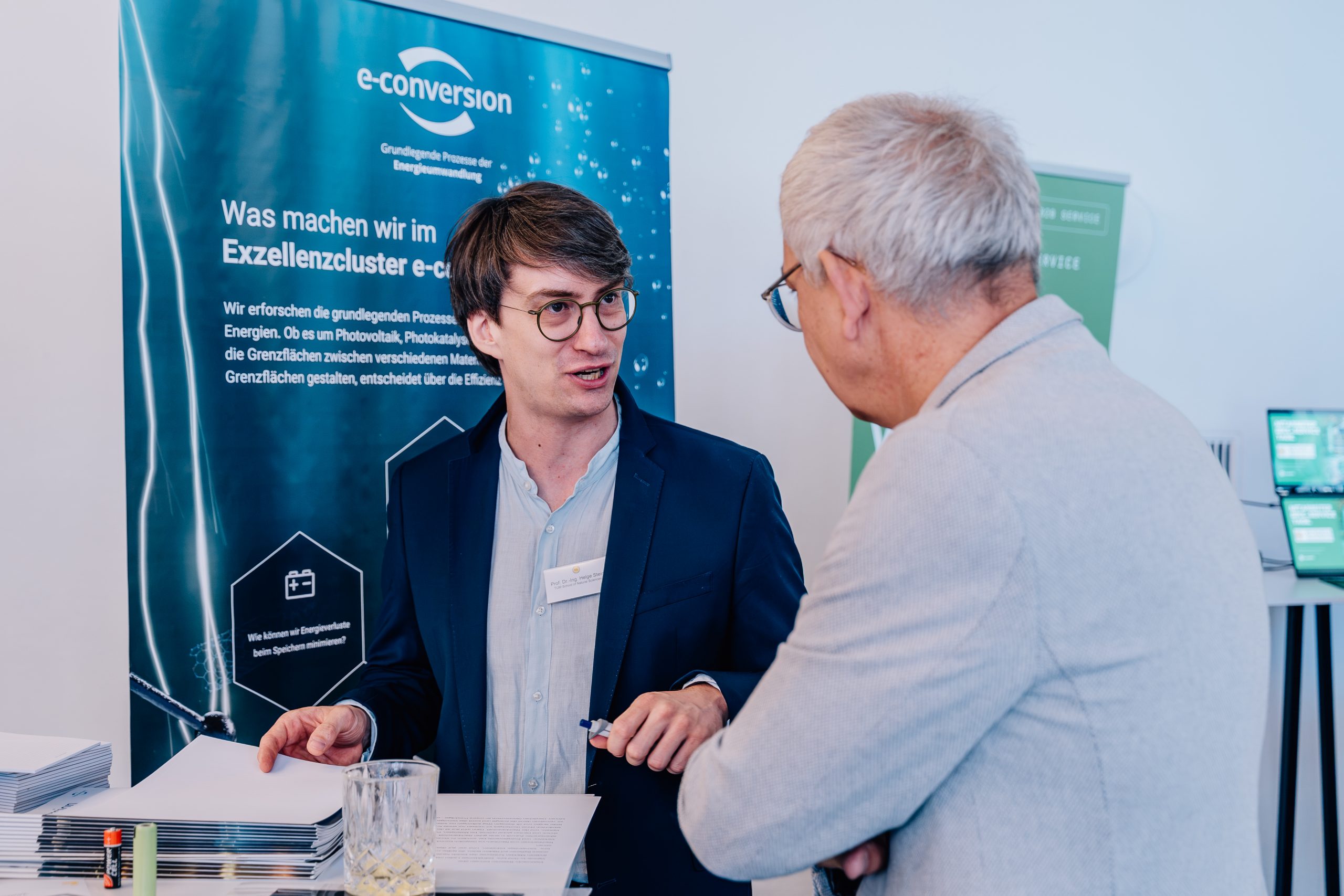
Prof. Helge Stein in conversation with Dr. Reiner Sojka, founder and CEO of Accurec Recycling GmbH.
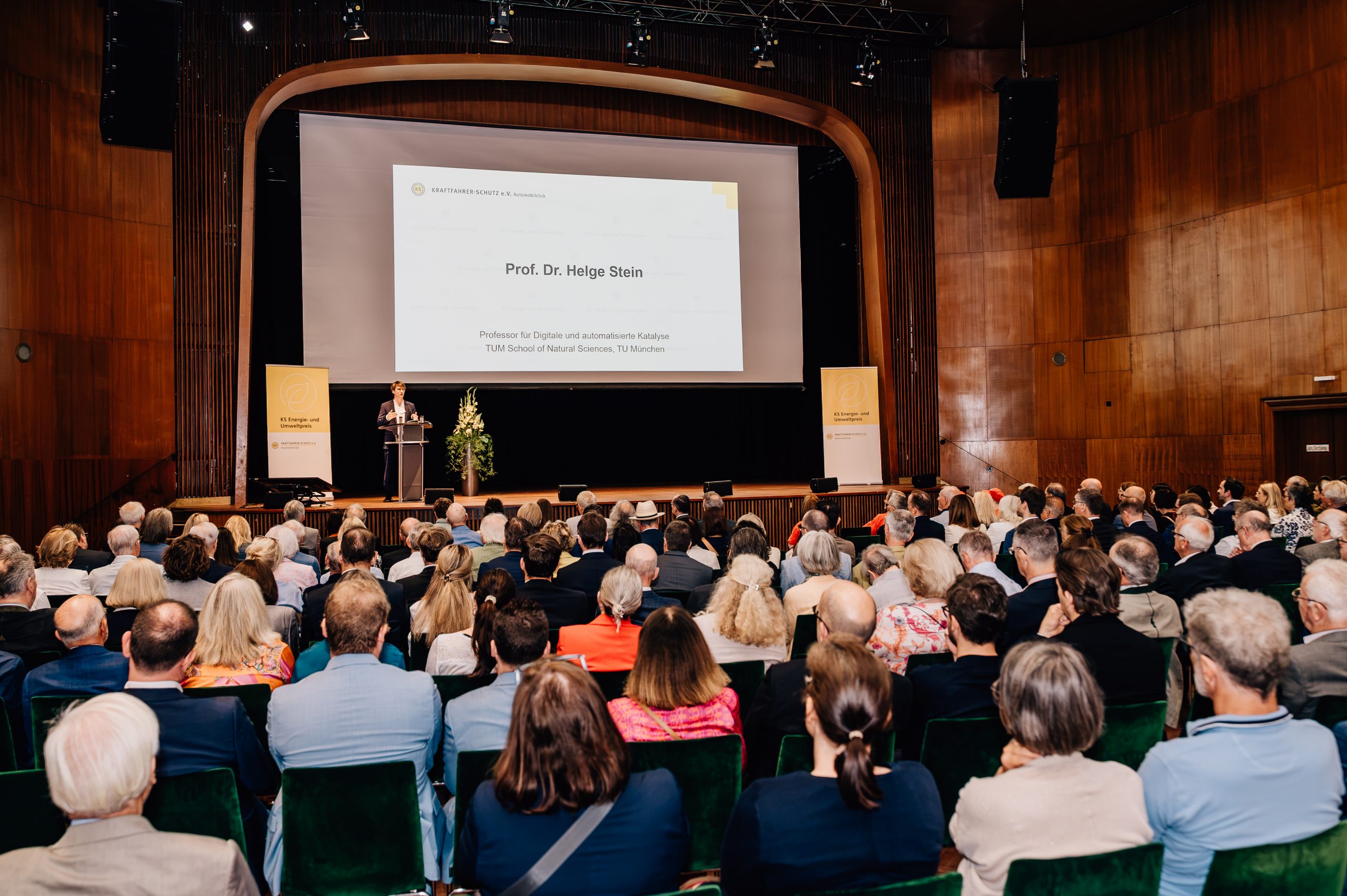
Festive awards ceremony at the Alte Kongresshalle in Munich.
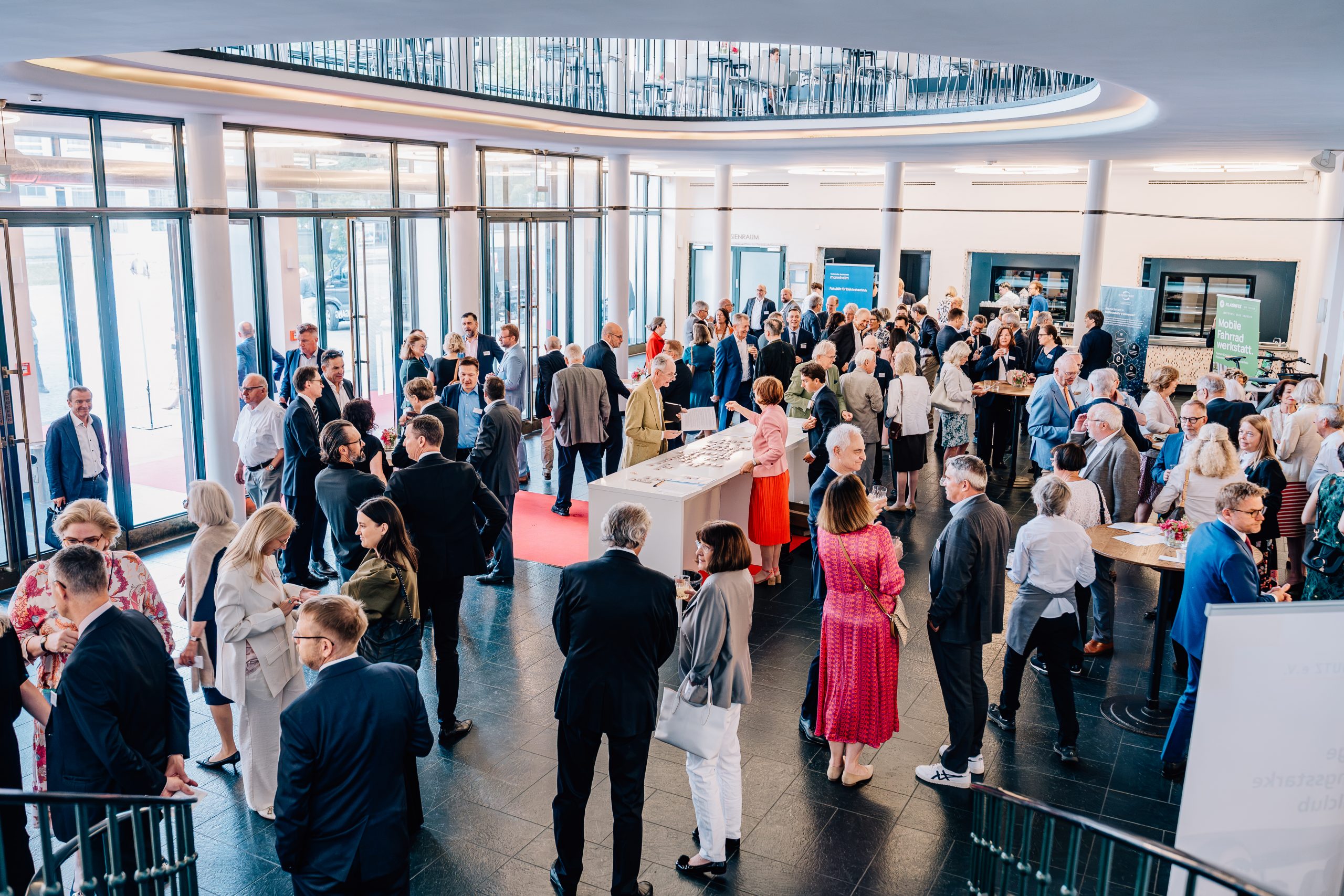
Exhibition held in conjunction with the KS Energy and Environment Award ceremony.
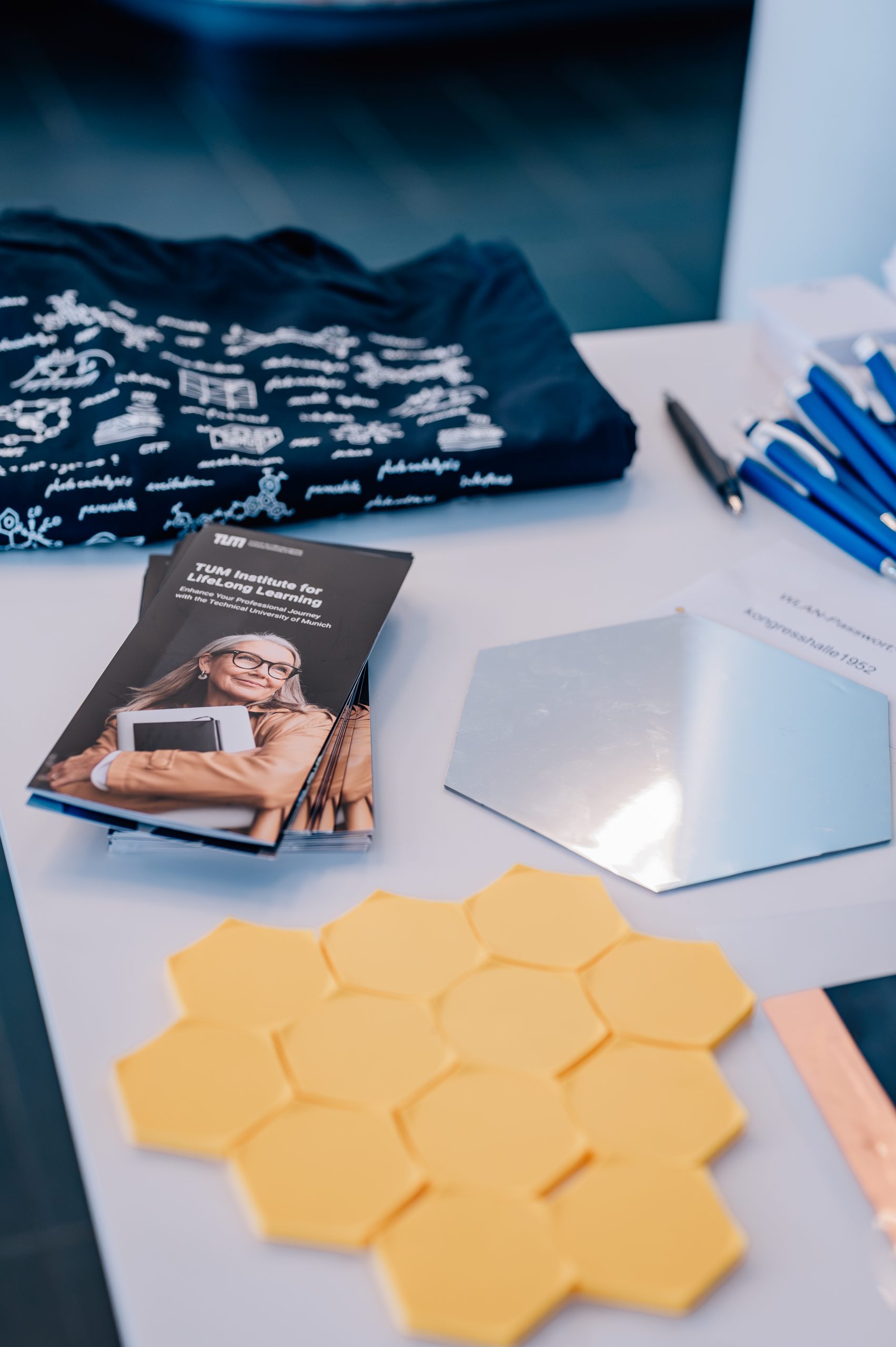
A snapshot of the e-conversion booth.
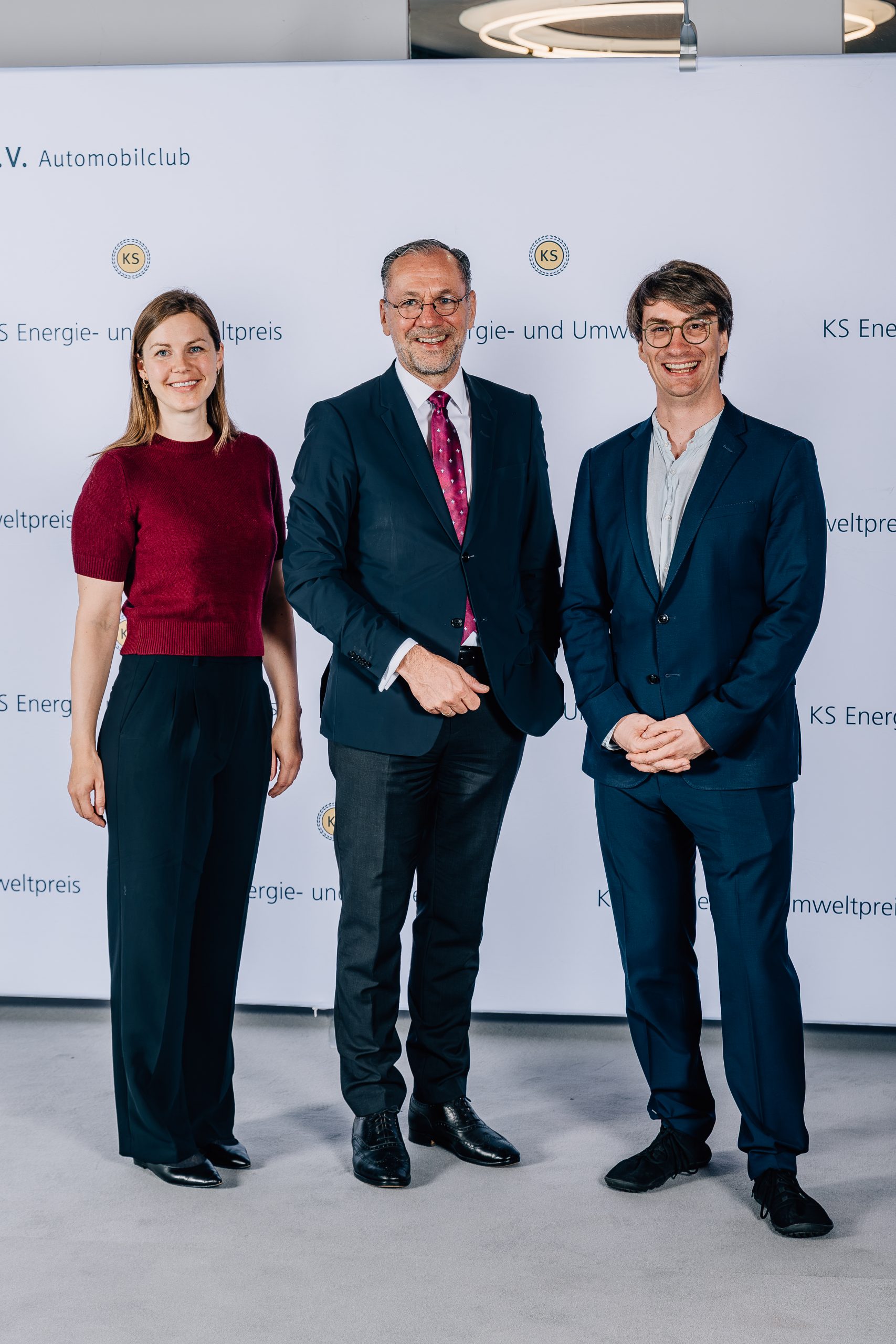
Prof. Helge Stein (right) with Dr.-Ing. Julia Kinigadner, members of the KS Expert Jury (left), and Ole Eilers, President of the KS Automobilclub e.V.
All photos taken at the event: Mica Zeitz.