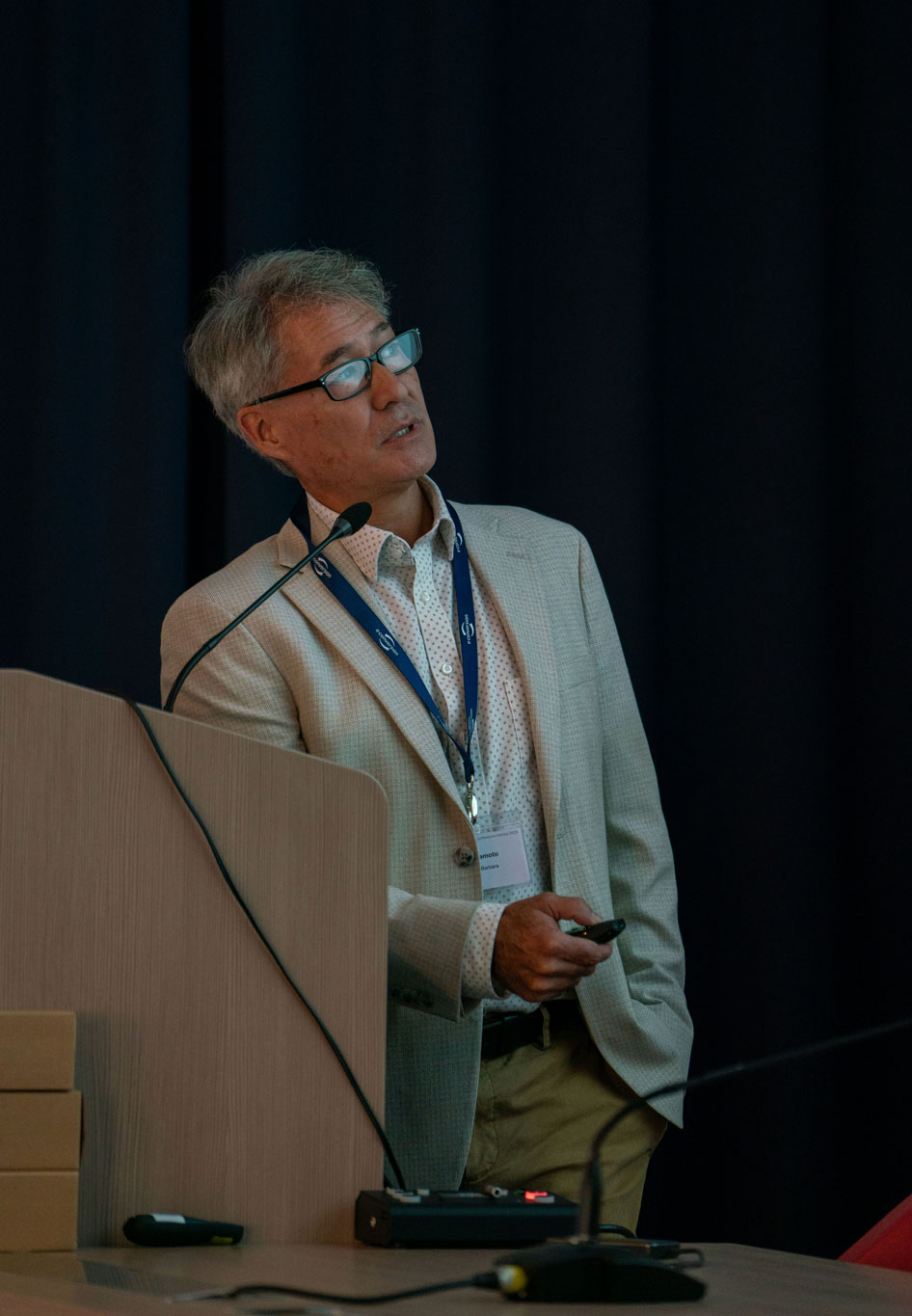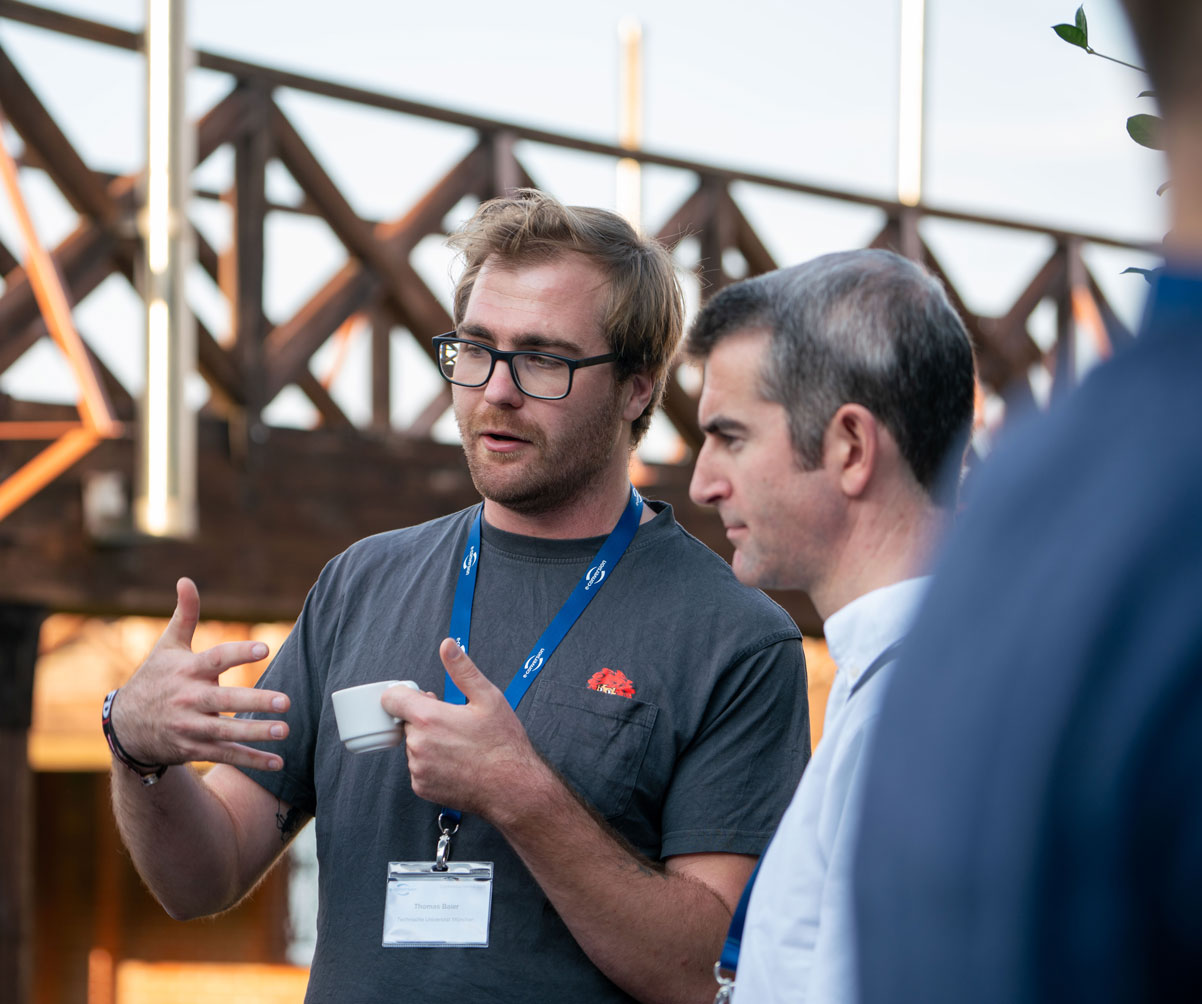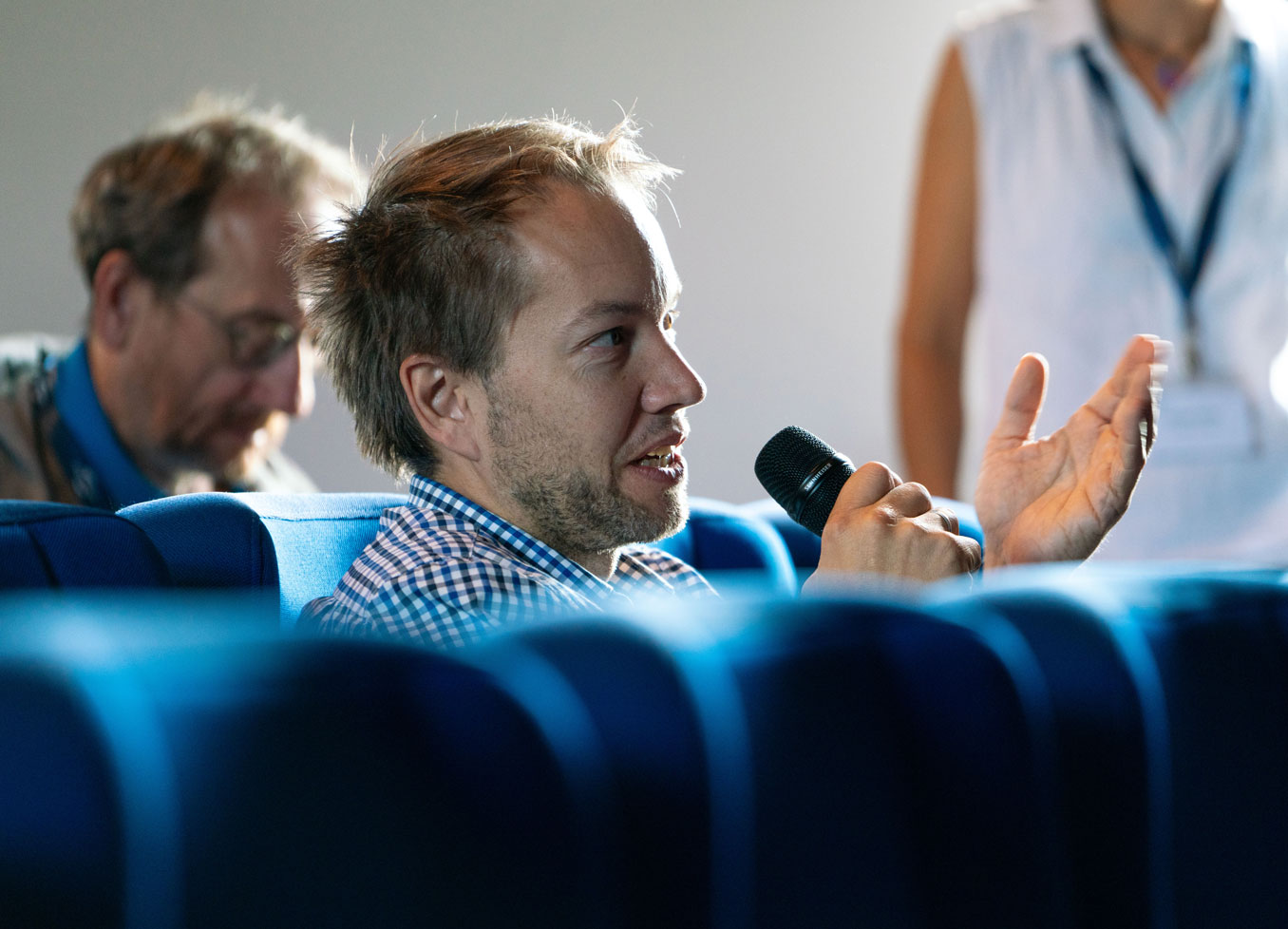

With the start of its second funding period, the e-conversion Cluster of Excellence is embarking on a new phase with renewed momentum to advance research, foster interdisciplinary collaboration, and generate fresh scientific impulses. At the e-conversion 2.0 Annual Conference, held from October 5-8, 2026, at the Venice International University (VIU), around 125 participants gathered to discuss current developments, establish new collaborations, and shape shared perspectives for the years ahead.
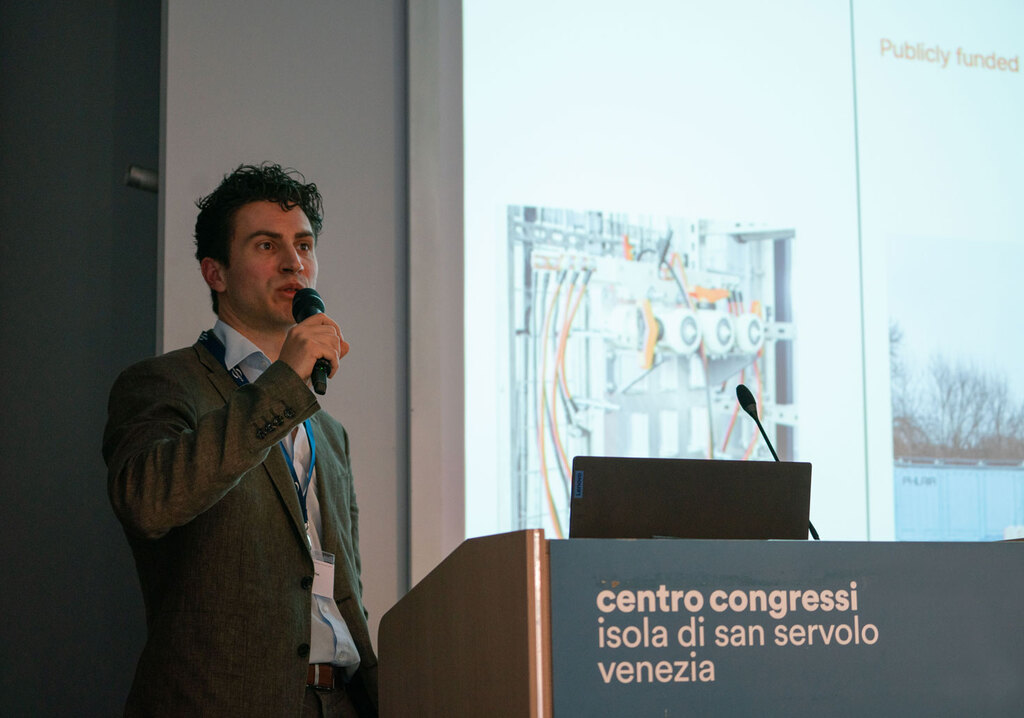
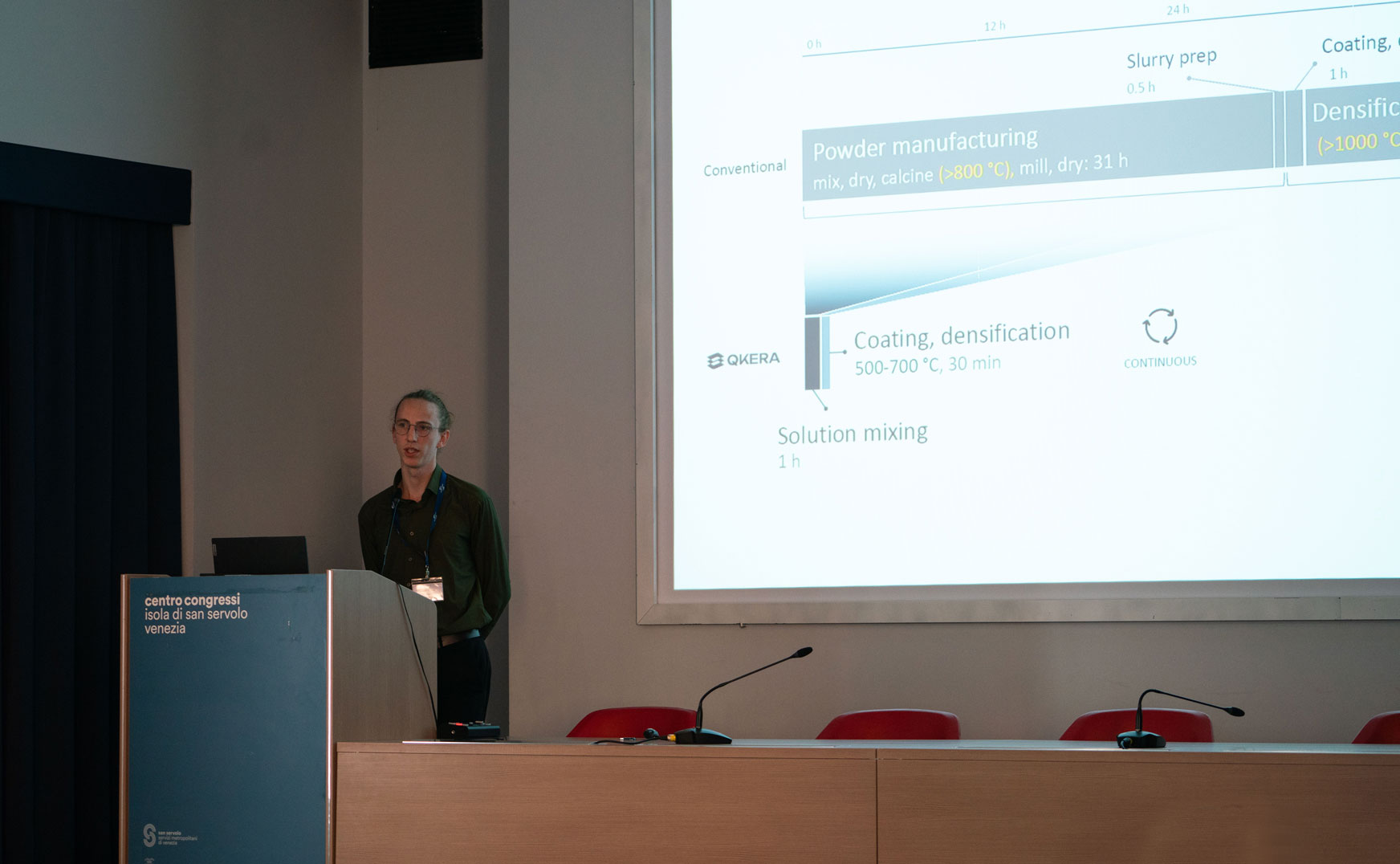
Steffen Garbe, co-founder of Phlair, a startup founded within the e-conversion ecosystem, presented the electrochemical technology for direct carbon dioxide capture from the air. (Photo: V. Hiendl / e-conversion)
Fittingly for a conference dedicated to energy conversion, the sun also played its part. Under late-summer skies on the island of San Servolo in the Venetian Lagoon, Prof. Bettina V. Lotsch and Prof. Ian Sharp, in their roles as cluster spokespersons, opened the conference with an overview of the scientific vision behind e-conversion 2.0. Guided by the motto “Rethink Energy Conversion from the Bottom Up,” they outlined the cluster’s research approach, which spans everything from fundamental atomic and molecular processes to societally relevant applications and technologies. At its core is a broad scientific spectrum and a horizontal, interdisciplinary research strategy that connects diverse fields across energy and materials science.
From fundamental science to tomorrow’s technologies
This breadth was reflected in the conference program at the Venice International University campus. Topics ranged from electrochemical processes for sustainable chemical production and novel materials for solar cells and batteries to data-driven approaches in materials research. Once again, it became clear that the challenges of the energy transition are closely linked to a deeper understanding of materials, interfaces, and chemical processes. The relationship between material structure and functionality emerged as a recurring theme throughout many presentations, as did the complexity of surfaces and interfaces where energy-conversion processes take place. Dr. Thomas Liebrich (RhySearch) illustrated this point by invoking a famous quote by physicist Wolfgang Pauli: “God made the bulk; the surface was invented by the devil.” Liebrich discussed how surface properties can be deliberately modified through micro- and nanostructuring. Whether in batteries, catalysts, solar cells, or electrolyzers, the performance, stability, and efficiency of a technology are often determined by what happens at these interfaces.
Deep insights into perovskites
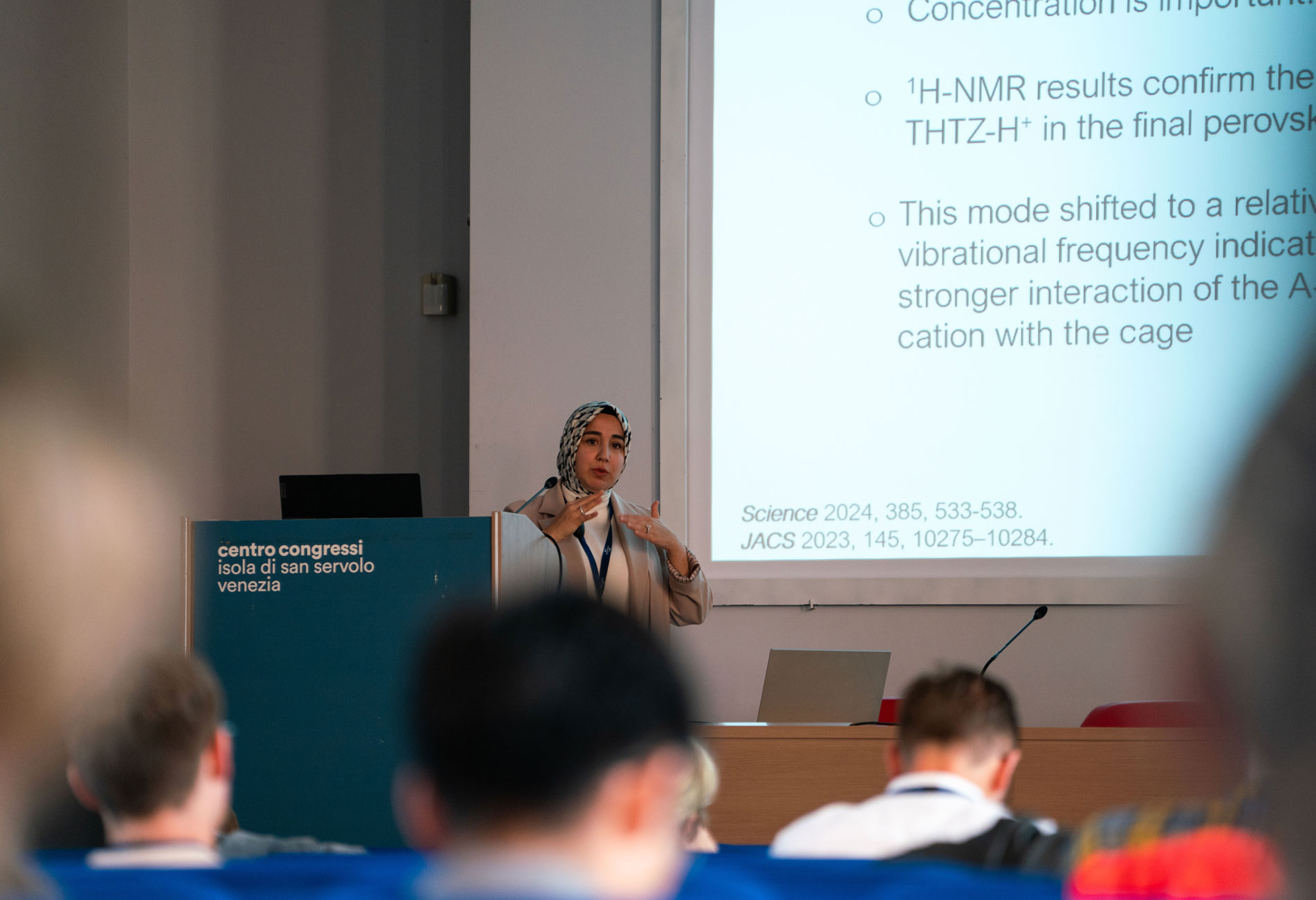
Novel materials were another focal point of the conference, with halide perovskites featuring prominently as promising candidates for solar cells and optoelectronic applications. Prof. David Cahen (Weizmann Institute of Science) examined which of their remarkable properties are truly unique and which arise from more fundamental physical principles.This perspective was complemented by contributions such as that of Dr. Douglas Fabini (Paul Scherrer Institute), who presented a physical model describing the role of disorder and lattice dynamics in hybrid perovskites and highlighted strategies to improve stability and material performance. Prof. Aaron Lindenberg (Stanford University) explored ultrafast structural processes following optical excitation, demonstrating how electrons and crystal lattices interact on femtosecond timescales. Dr. Esma Ugur (LMU Munich) further investigated the causes of efficiency losses and degradation mechanisms in perovskite tandem solar cells.
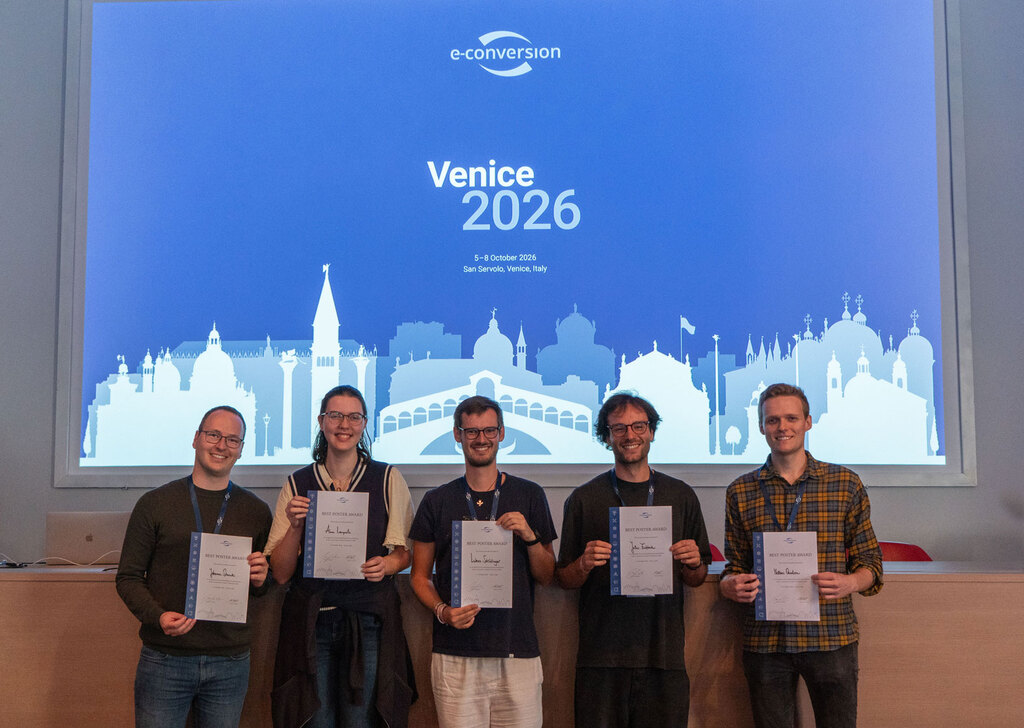
The winners of the e-conversion Best Poster Award (from left: Johannes Schmuck, Anna Lemperle, Lukas Schrödinger, Julius Fischbach, Matthias Quintern) were five young researchers from TUM. (Photo: V. Hiendl / e-conversion)
Sustainable chemistry takes center stage
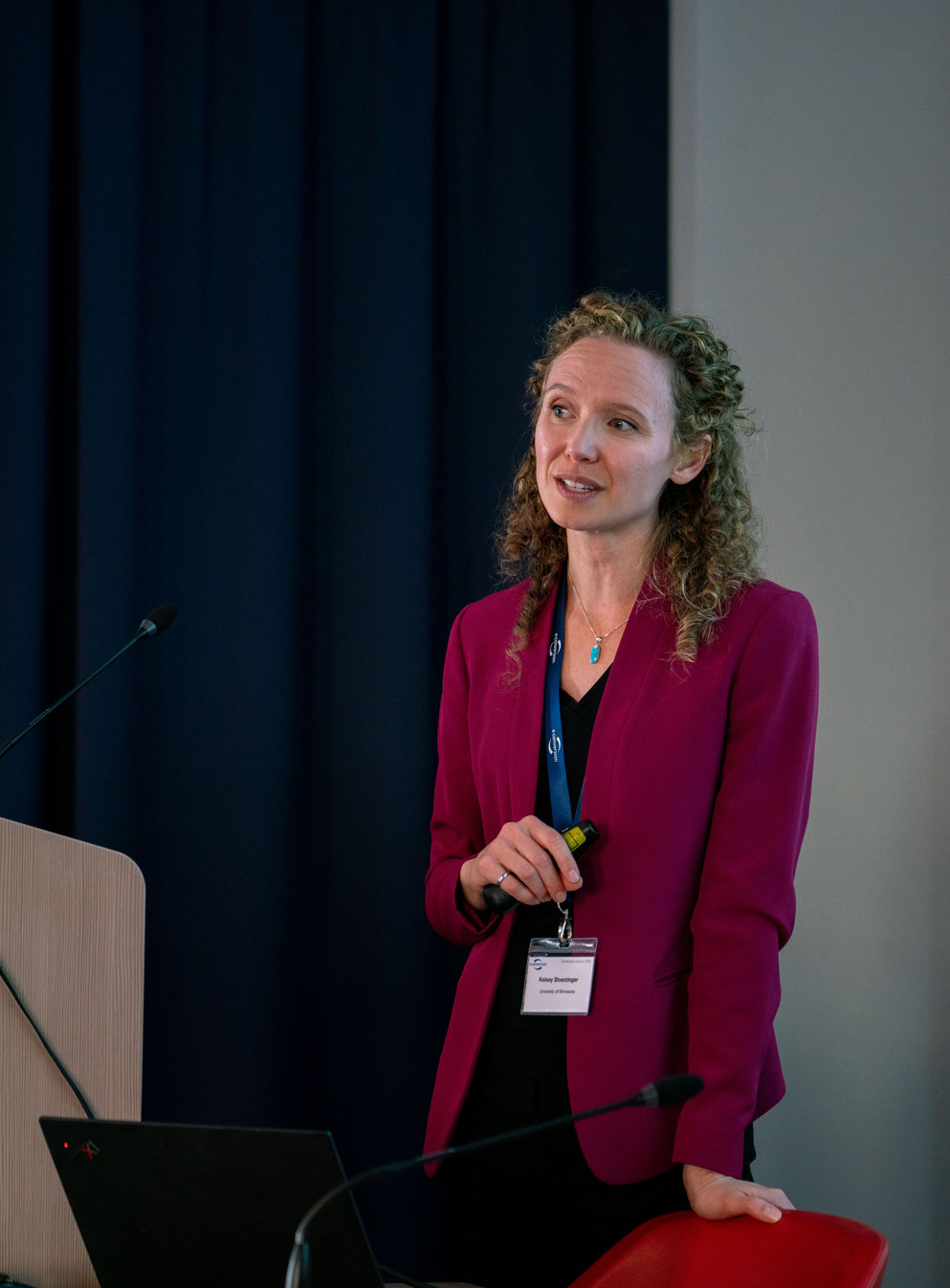
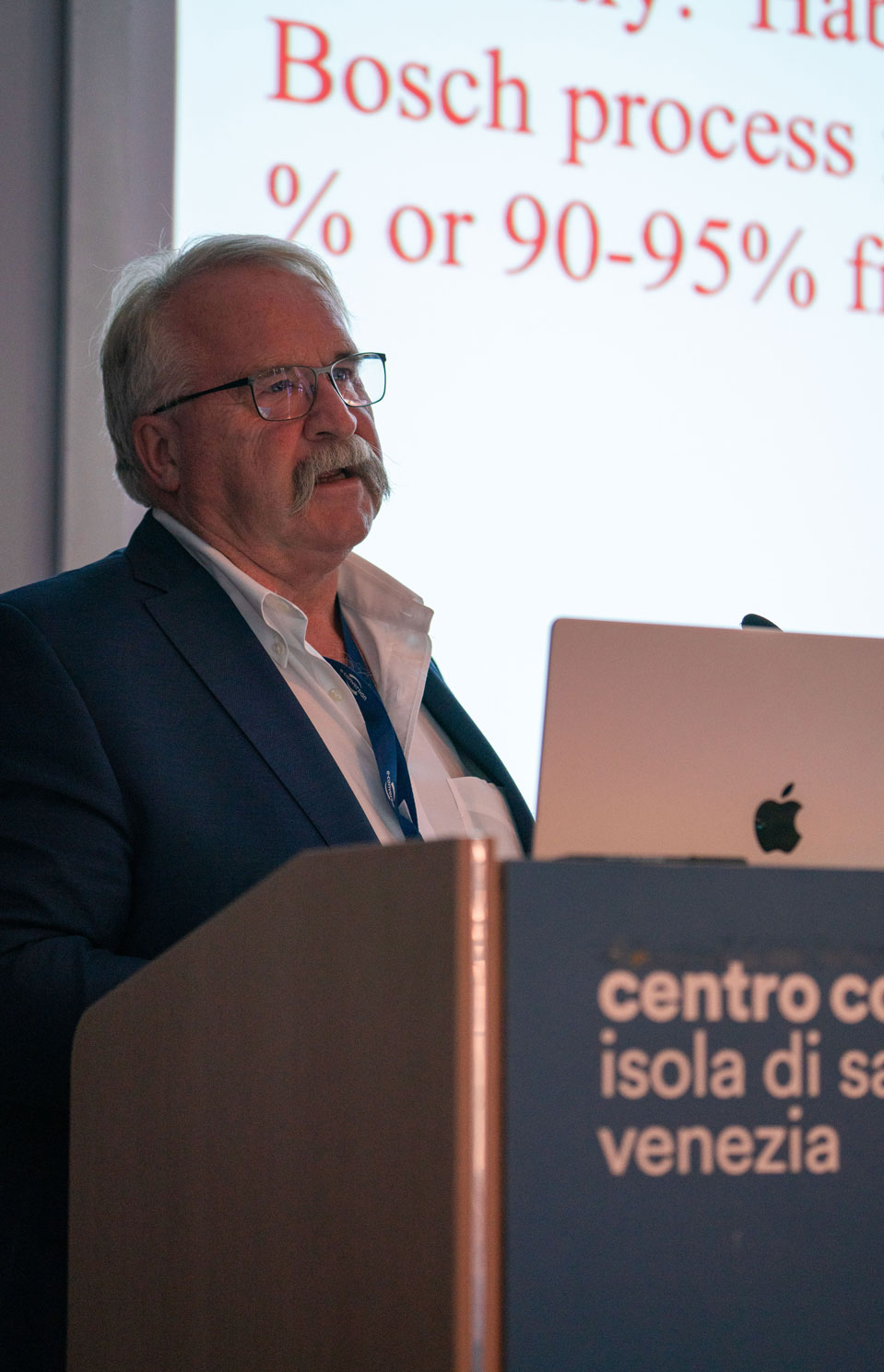
The role of light was at the heart of Prof. Albert Polman’s (AMOLF) presentation, which connected highly efficient solar cells, optical computing, and sustainable chemistry. New insights into catalyst materials for water electrolysis, a key technology for the future hydrogen economy, were presented by Prof. Kelsey A. Stoerzinger. Prof. Jeff Sakamoto broadened the discussion on energy storage technologies by addressing challenges and recent advances in ceramic solid electrolytes and solid-state batteries. Electrochemical processes capable of replacing fossil-based production routes and enabling circular resource flows also featured prominently. Prof. Gerardine Botte (Texas Tech University) presented new approaches for recovering nitrogen and phosphorus from sewage sludge and other biogenic residues. “Her work impressively demonstrated how sustainable resource recovery can succeed through the interplay of fundamental research and field-scale experimentation,” commented TUM researcher Prof. Katharina Krischer, who served on the program committee. Instead of relying on energy-intensive synthesis, the approach uses electrons as reagents. Prof. Ib Chorkendorff (Technical University of Denmark) presented recent advances in electrochemical ammonia synthesis. Together, the two contributions highlighted the potential of a more electrified chemical industry to support sustainable energy and resource systems. The thematic diversity of the talks reflected the breadth of the cluster itself. “We are delighted that we were able to attract speakers from around the world who are working on some of the most exciting current questions in energy conversion,” said Prof. Alexander Urban (LMU), who also helped shape the scientific program. “There is substantial overlap with e-conversion research areas, creating numerous opportunities for scientific exchange,” added Katharina Krischer.
Research, technology transfer, and entrepreneurship
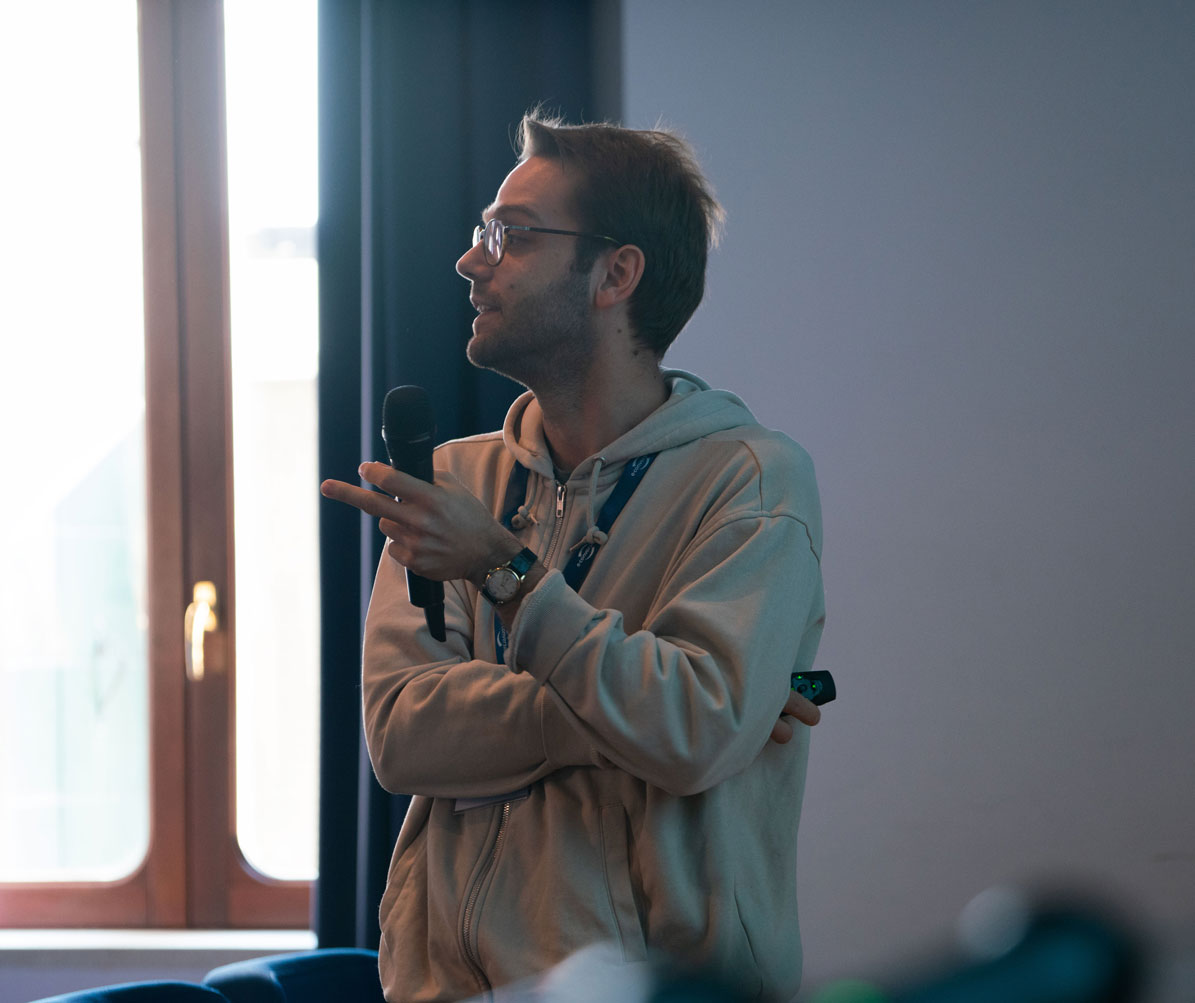
The startup session demonstrated how technologies emerging from academic research can make the leap toward industrial implementation. Three technology startups originating directly from the e-conversion ecosystem, Qkera, SYPOX, and Phlair, presented their innovations, addressing ceramic electrolyte materials for next-generation batteries, electrified high-temperature reactors, and energy-efficient electrochemical processes for industrial material cycles. These perspectives were complemented by contributions from industry, including Siemens Energy and Oerlikon. Discussions focused on scaling, technology development, and market entry for emerging energy technologies. A moderated Q&A session on the startup presentations, led by e-conversion spokesperson Jennifer Rupp, provided additional opportunities to discuss the challenges and opportunities involved in transforming scientific ideas into successful spin-offs.
Early-career researchers shape the conference
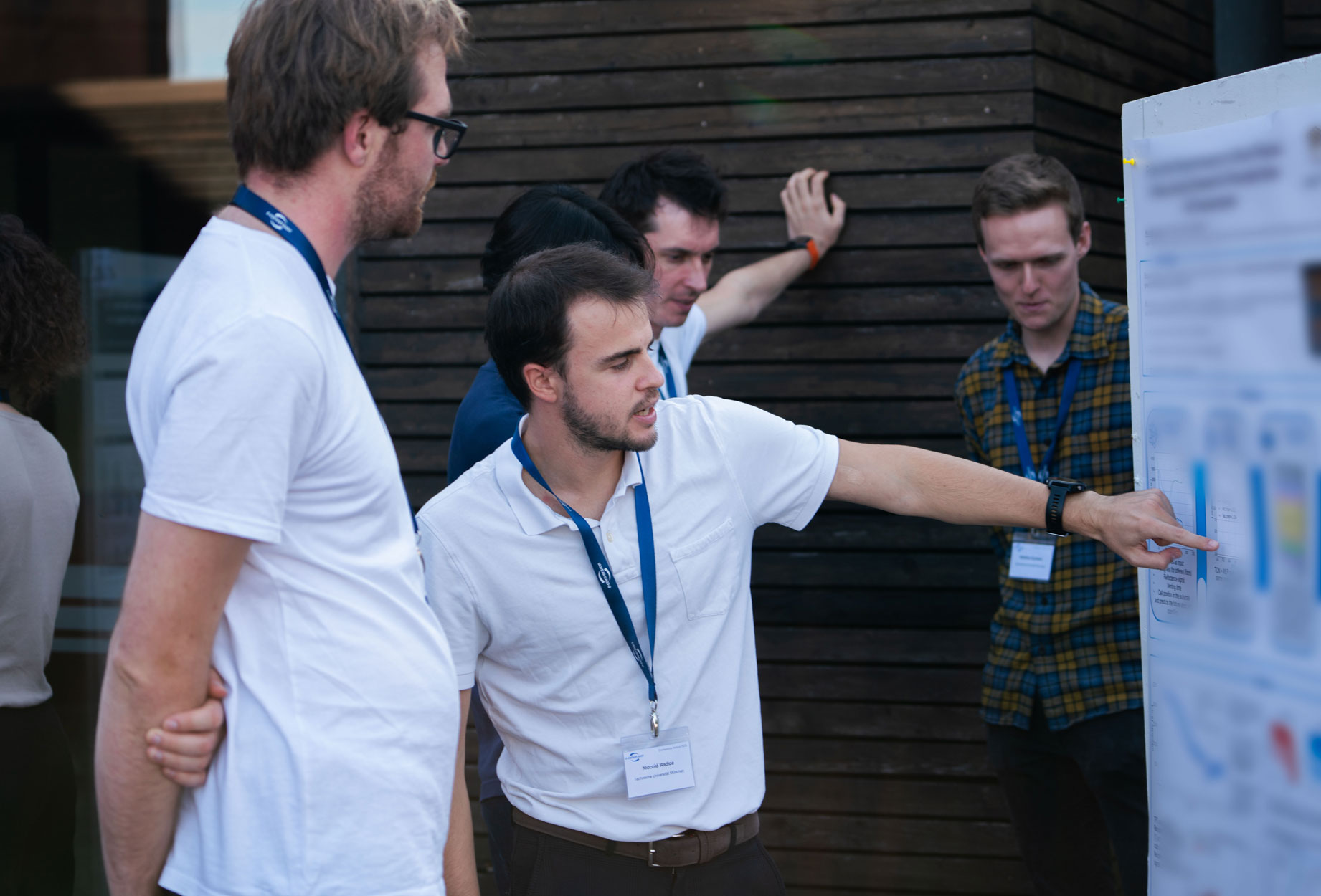
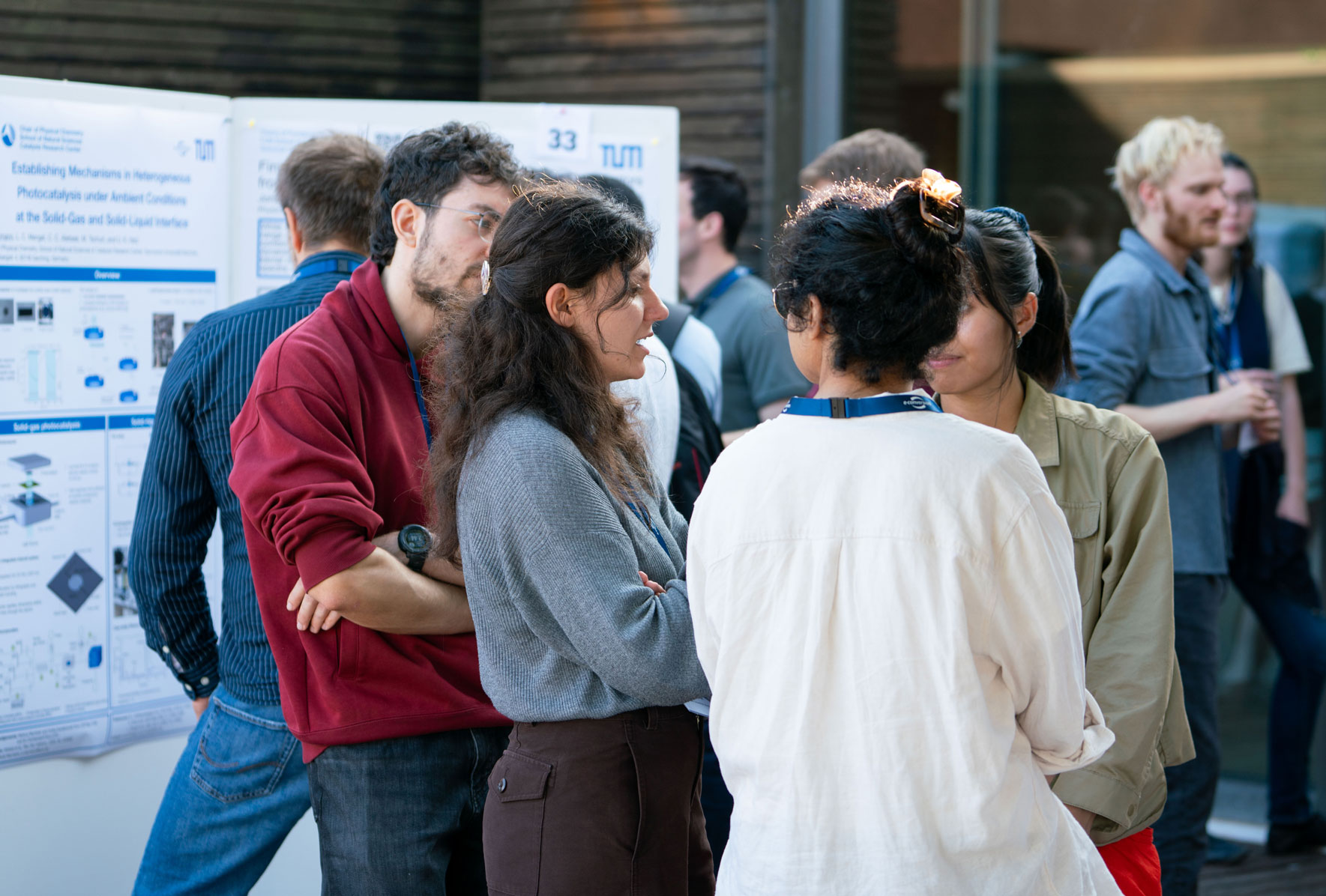
Early-career researchers played a central role throughout the event. During poster sessions and poster flash talks, they presented their research and engaged in discussions with international guests. A new feature of this year’s conference was the introduction of the e-conversion Best Poster Awards. The awards were presented to five TUM researchers: Johannes Schmuck, Anna Lemperle, Lukas Schrödinger, Julius Fischbach, and Matthias Quintern. “What I particularly enjoyed was discussing my work with other researchers at the poster sessions,” said Anna Lemperle, a doctoral researcher in Prof. Ulrich Heiz’s group. “The conversations were not only an opportunity to share my enthusiasm for the project but also gave me new ideas for experiments to continue when I returned to the lab on Monday. Receiving a poster award was a wonderful recognition of the work that we as PhD researchers put in. And of course, being selected myself made for a very special ending to an inspiring conference.”
Communicating science, strengthening society
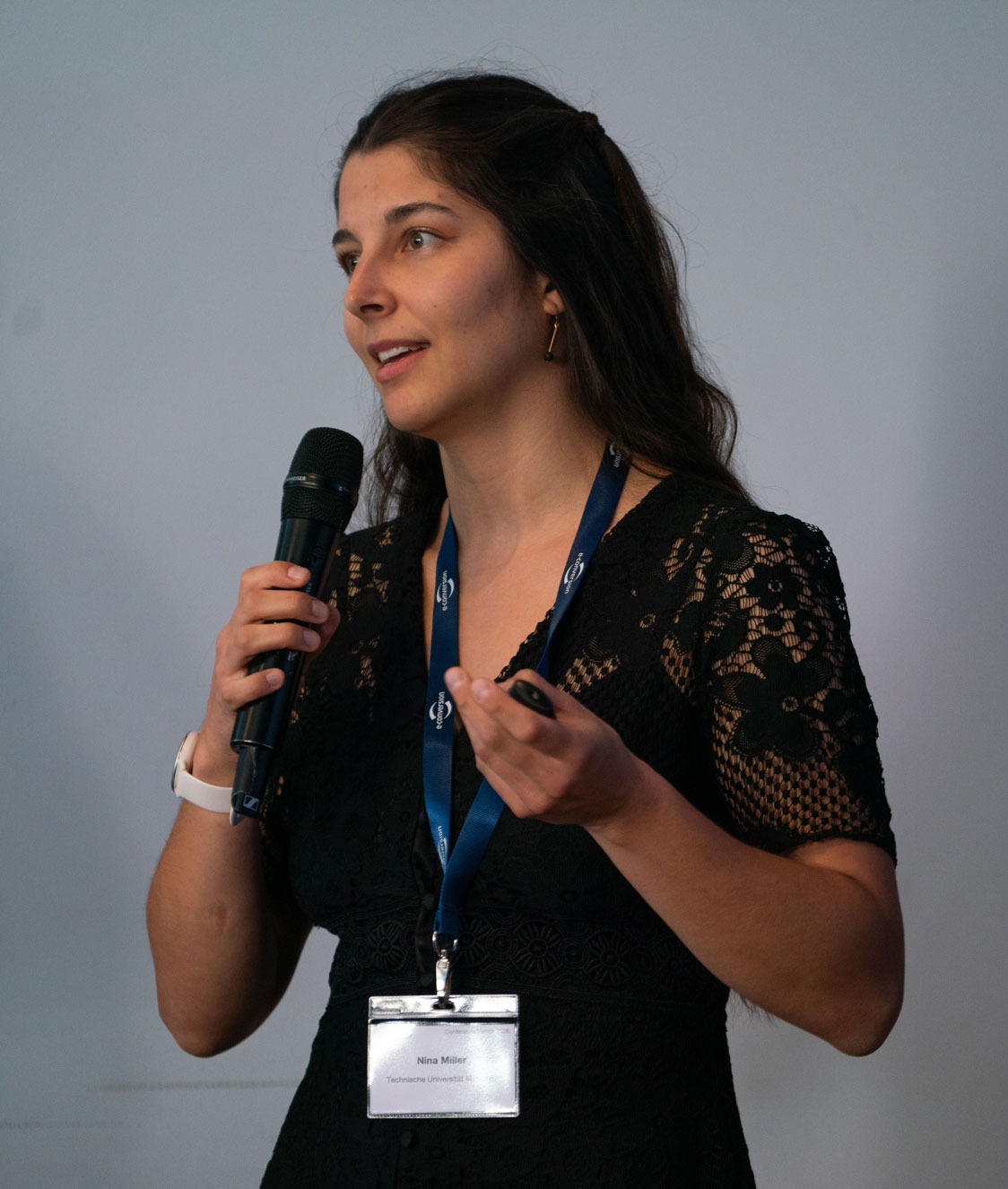
The conference also featured two keynote lectures and accompanying workshops that extended beyond the scientific program. In their keynote “Changing Science: From Washington to Berlin and How Science Communication Can Defend Research,” e-conversion members and science communicators Samuel van Gele (Max Planck Institute for Solid State Research) and Nina Miller (TUM) examined the role of science communication in societal and political transformation processes. “I intentionally began my keynote with the fictional and rather unsettling headline that Chancellor Weidel announces drastic cuts to DFG funding programs,” said van Gele. “We hope this never becomes reality. Our scientific institutions are strong, but they are not invincible. It is important for me to show that science communication is not merely a nice addition but a crucial lever for strengthening the scientific ecosystem, from funding to public trust.” Using the history of the U.S. research landscape from 1945 to the present day as an example, the talk illustrated how scientific systems evolve in response to political and societal developments.
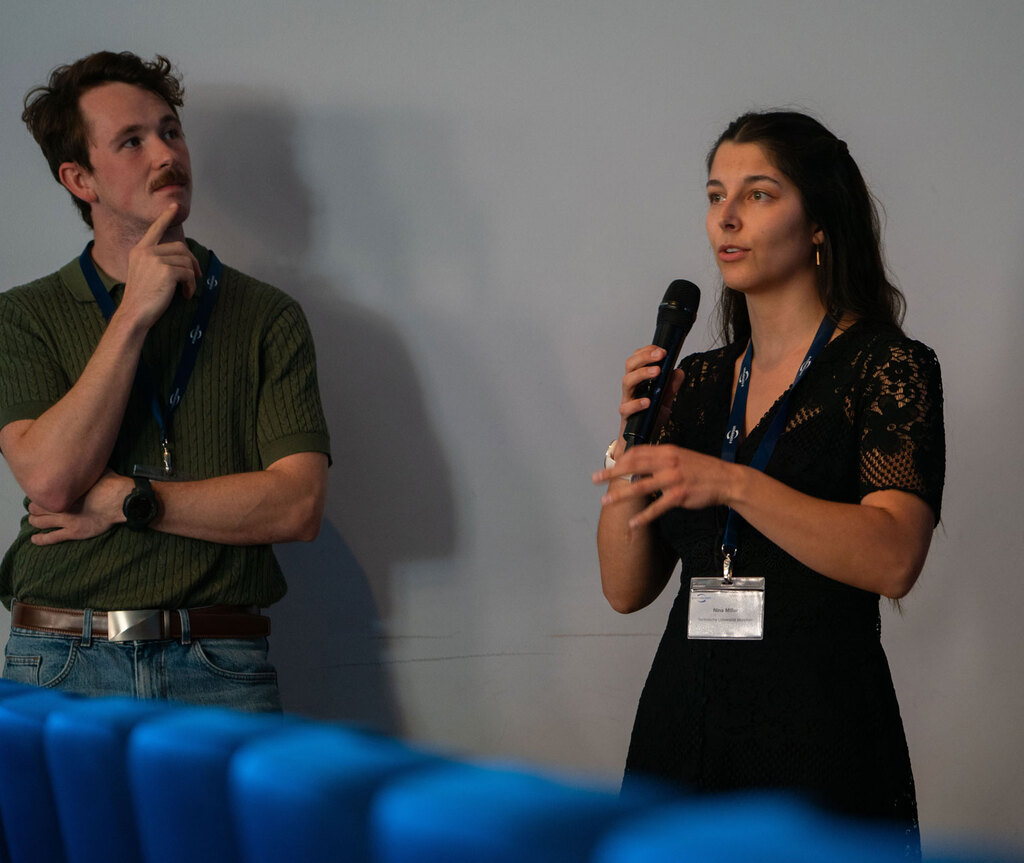
e-conversion researchers are committed to science communication: In their keynote address, Samuel van Gele and Nina Miller highlighted the importance of science communication for society. (Photo: V. Hiendl / e-conversion)
e-conversion4society brings research to life
Building on this theme, Nina Miller emphasized why it is essential for excellent research to reach society: “Even the best research and the most advanced technologies are not enough if they never reach society, because we live in a democracy. Scientists should not tell people what decisions to make. Instead, they should empower people to engage in informed discussions about what they want. That is how we strengthen our democracy.” A new opportunity for science communication within e-conversion 2.0 comes through its partnership with the Deutsches Museum. Silke Mayerl-Kink presented the wide range of possibilities this collaboration offers, from the Long Night of Museums and Munich Science Days to partnerships with the Science Communication Lab, workshops for school classes, public science lectures, and the development of exhibits and special exhibitions. “For the new e-conversion4society initiative, the Deutsches Museum offers an incredible range of opportunities, together with professional support for science communication, public engagement projects, and entirely new formats,” said Mayerl-Kink, who leads the initiative. “Anyone interested in experimenting with new ideas, making energy research tangible and engaging, or simply supporting events and gaining first-hand experience in science communication is warmly invited to get involved. We are always excited about new ideas, new collaborators, and joint projects.”
Unlocking data, connecting knowledge
Dr. Cihan Ateş, operational lead of the e-conversion Data Intelligence Team, presented the current status and future roadmap for data-driven research within the Cluster of Excellence. As these methods become increasingly important in energy research, the team aims to integrate experiments, simulations, and AI-supported analyses to accelerate discovery and reveal hidden connections. “The concepts we presented demonstrate how we want to connect experiments, simulations, and AI-driven analytics to accelerate research and make new relationships more visible,” Ateş explained. “During the workshop, we showed what data-driven tools can already do for researchers in the cluster today.” Together with Philip Loche, Alex Burg, and Kolja Knodel, the team introduced the first version of Atlas, a research assistant currently under development for e-conversion.
Meet Atlas, your research assistant
Atlas allows users to ask questions in natural language and provides answers grounded in cluster publications, researcher profiles, and, with appropriate permissions, laboratory data. For example, users can identify who is working on a specific topic or discover publications relevant to their research. Workshop participants were able to test Atlas firsthand and responded enthusiastically. In particular, they appreciated the ability to search publications, people, and data through a single interface. Participants also suggested concrete improvements, including the export of custom publication lists and the integration of collaborations with external partners. Several research group leaders approached the team afterward to discuss digitizing laboratory notebooks or joining as pilot groups. “The first lab visits are already planned,” said Ateş. “Over the coming months, we will also offer workshops with individual groups and provide hands-on support around our data infrastructure. Our door is open. Any group interested in discussing next steps is welcome to reach out.”
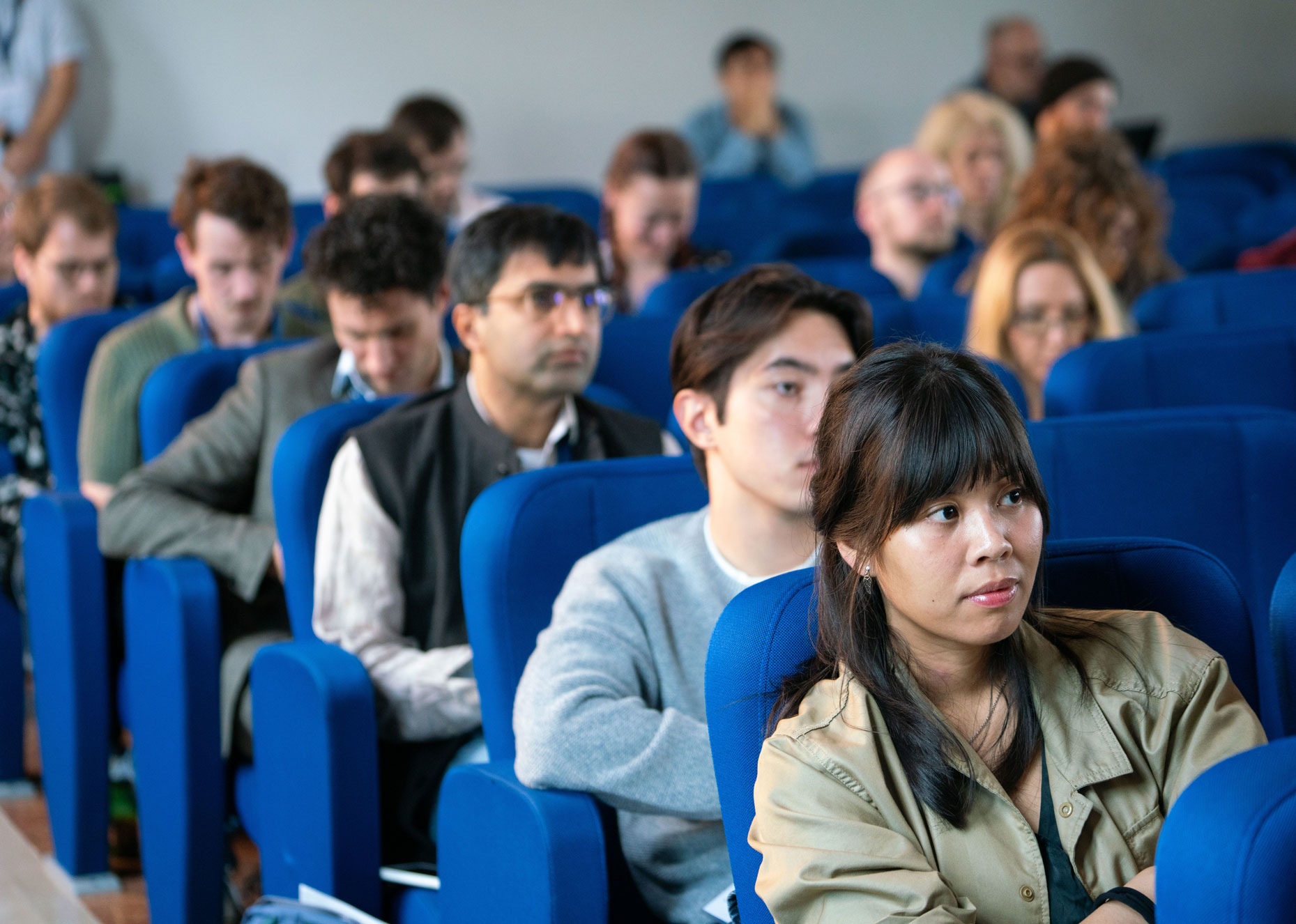
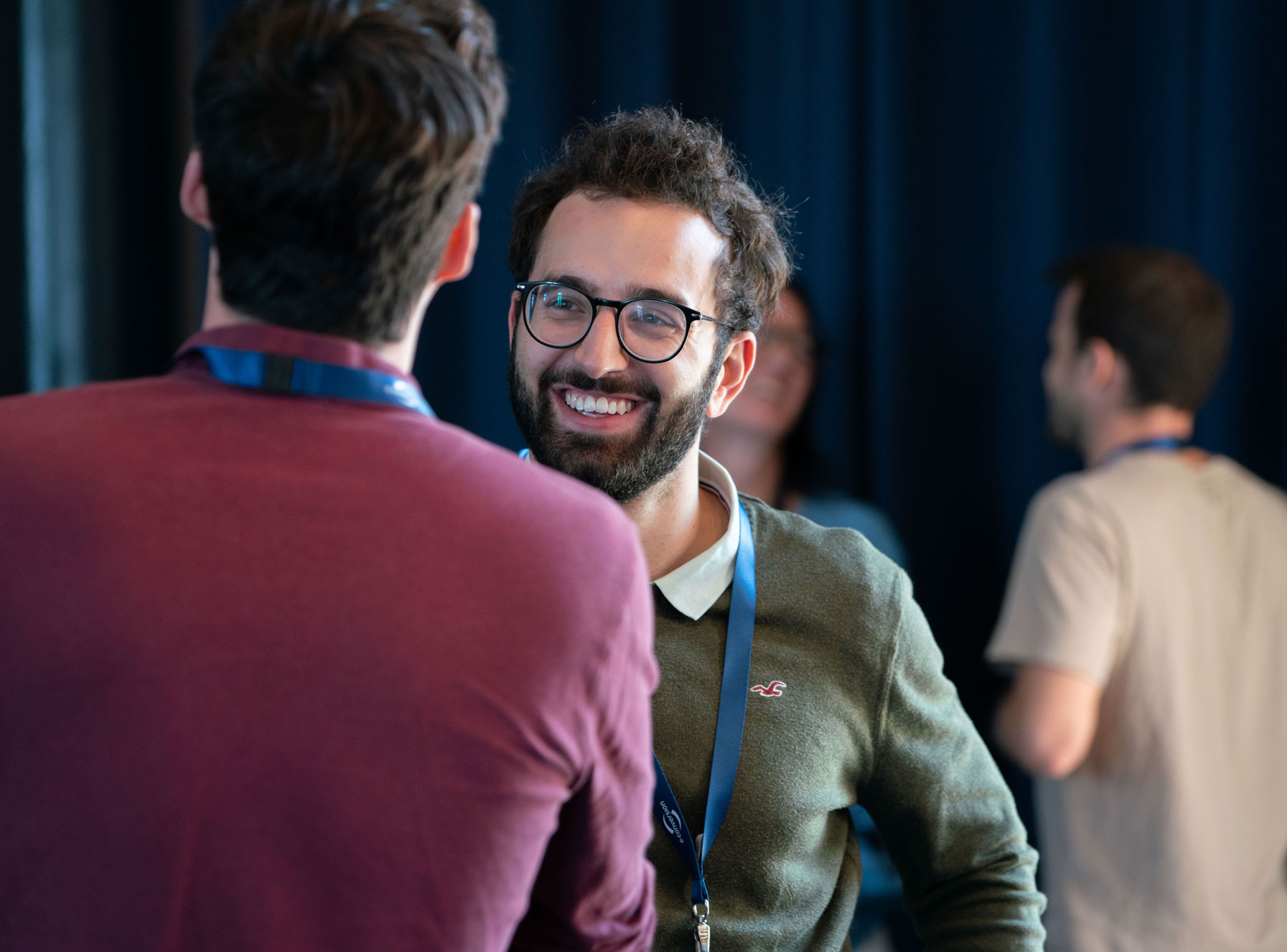
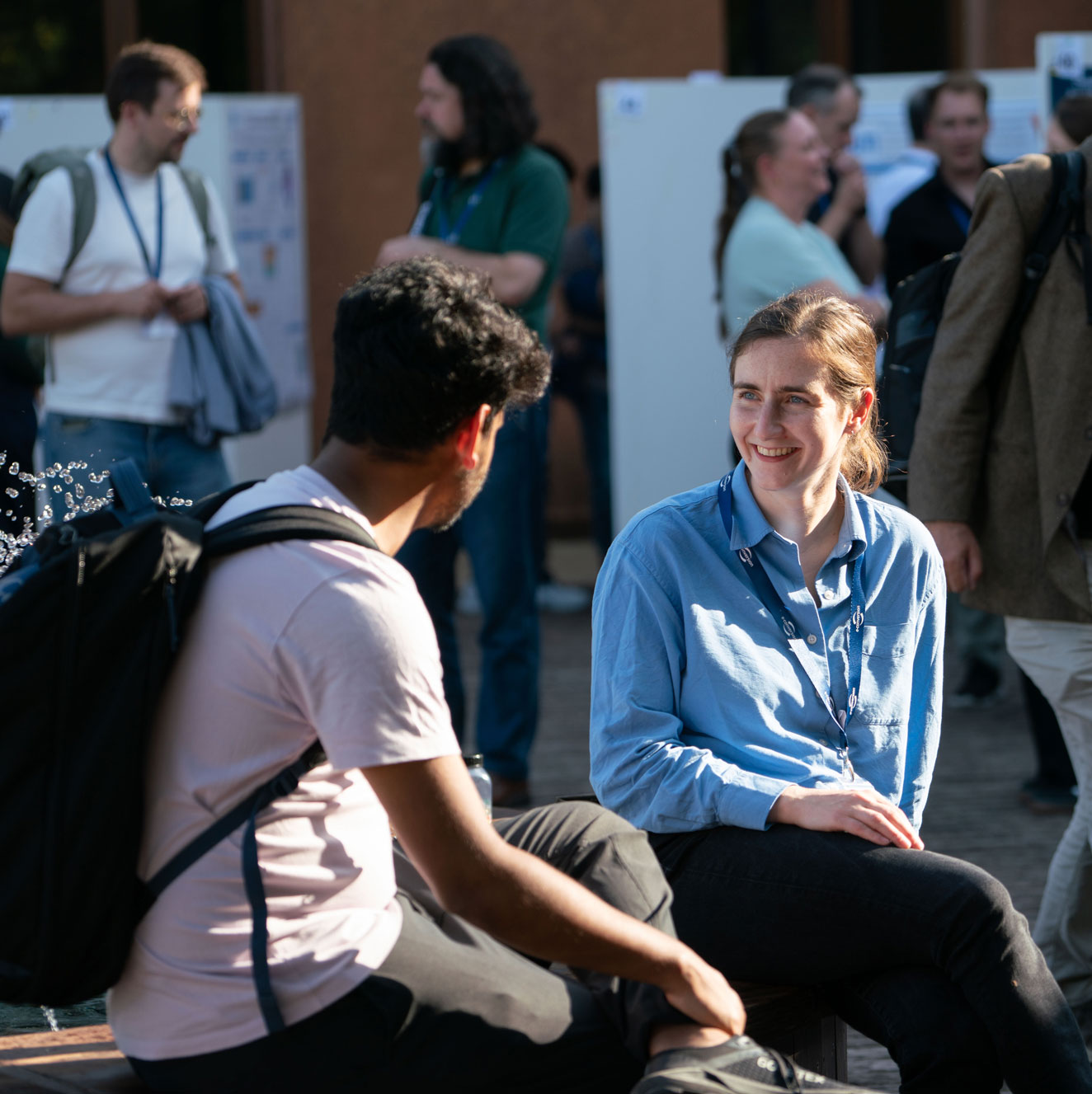
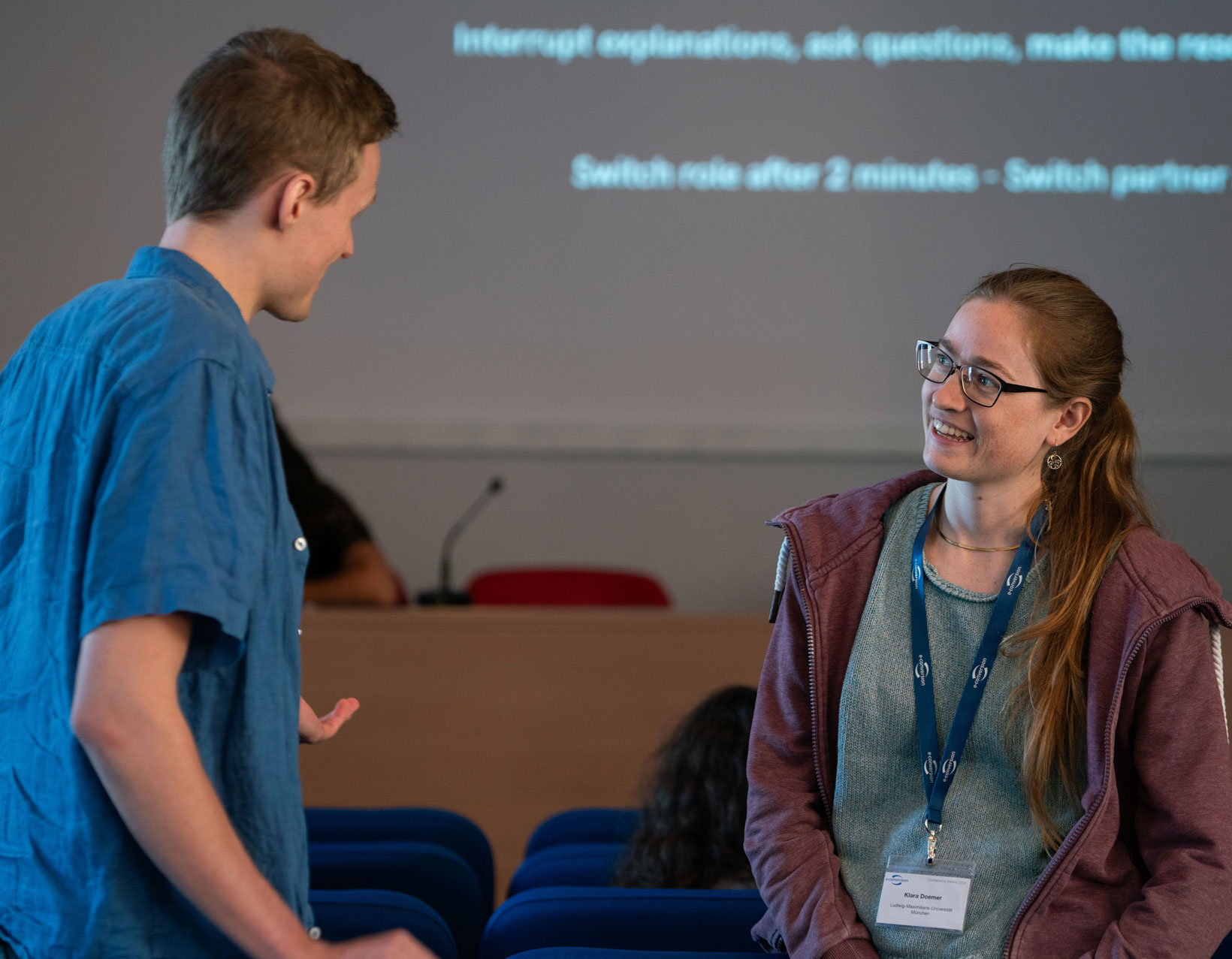
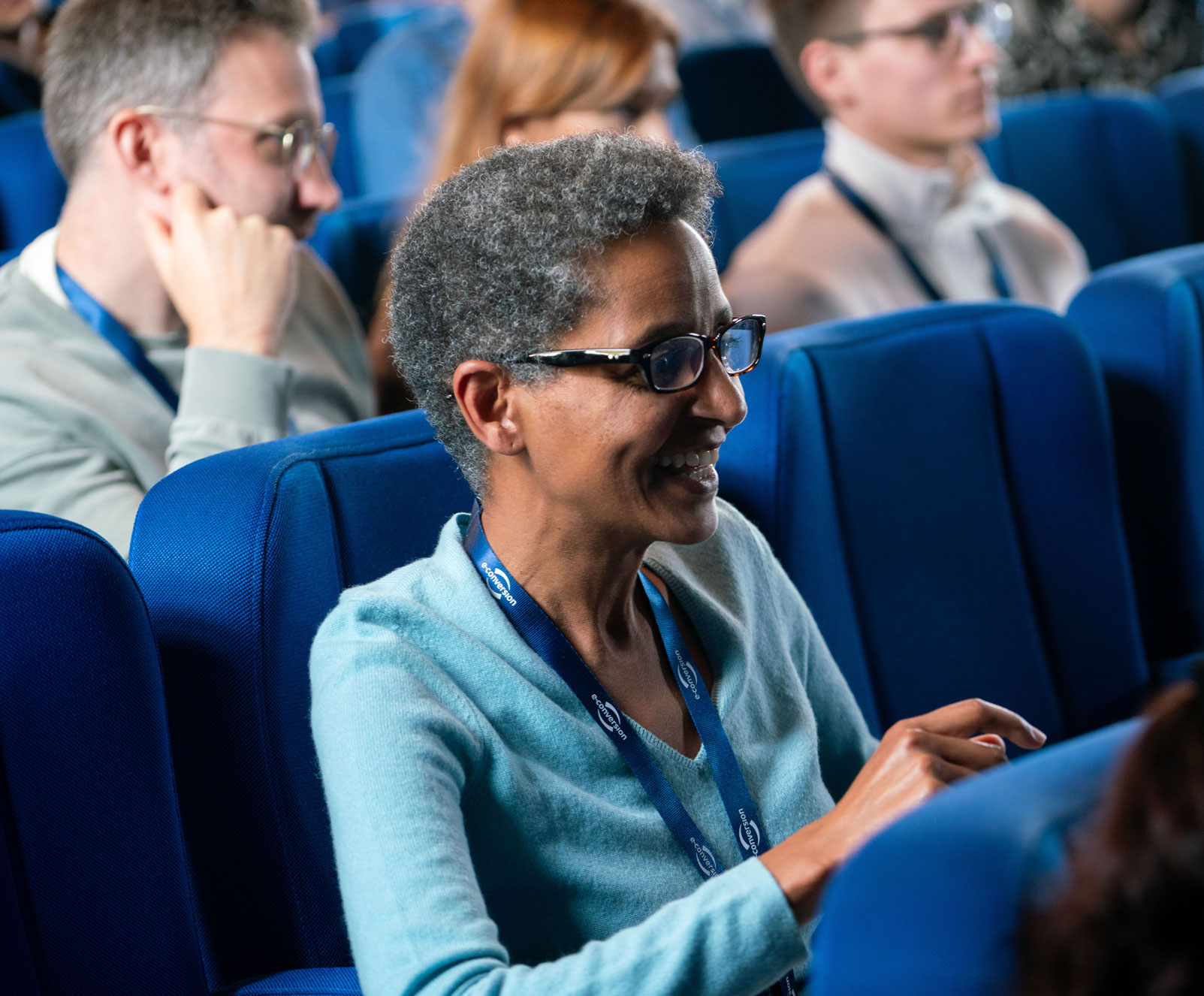
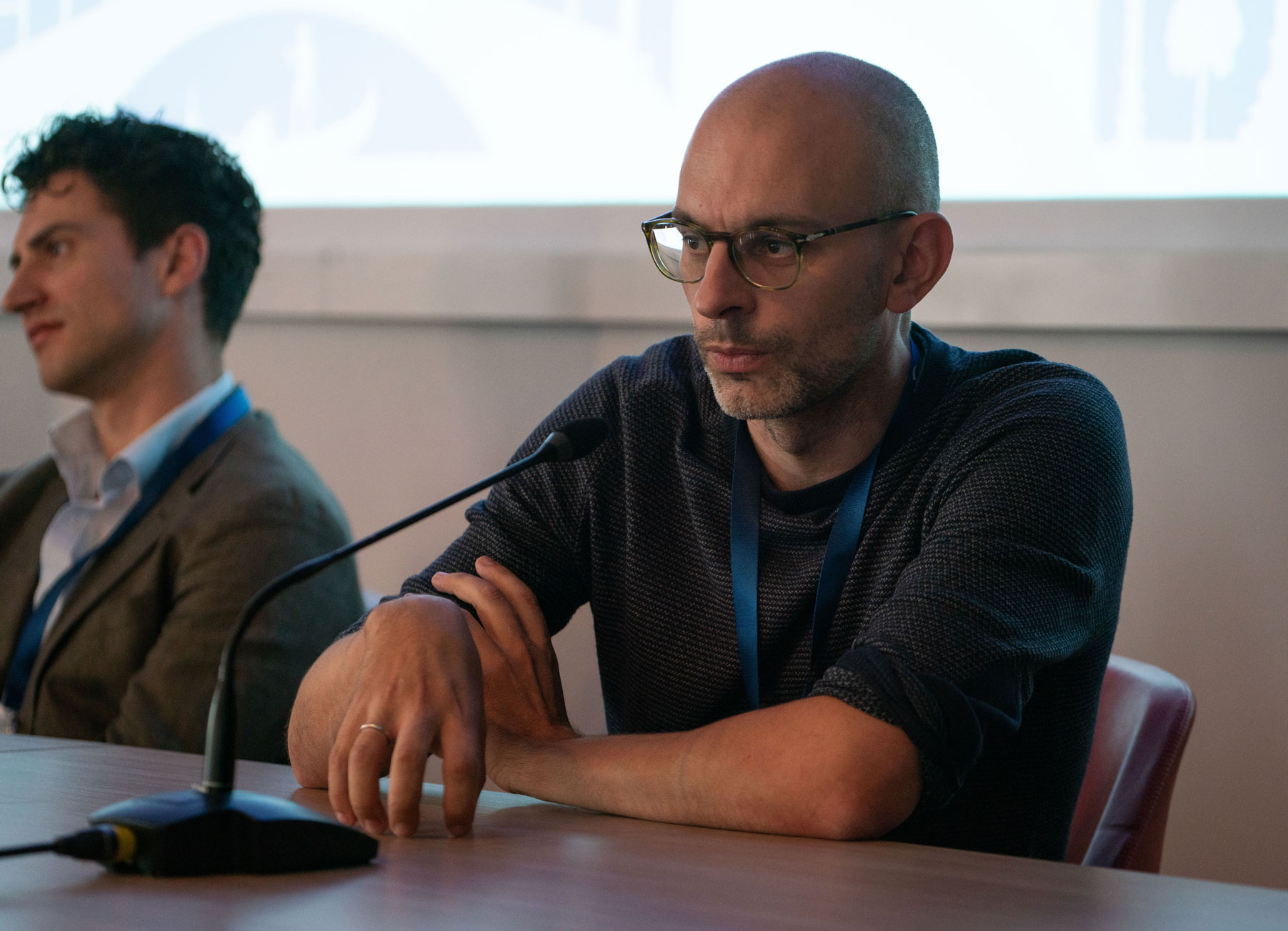
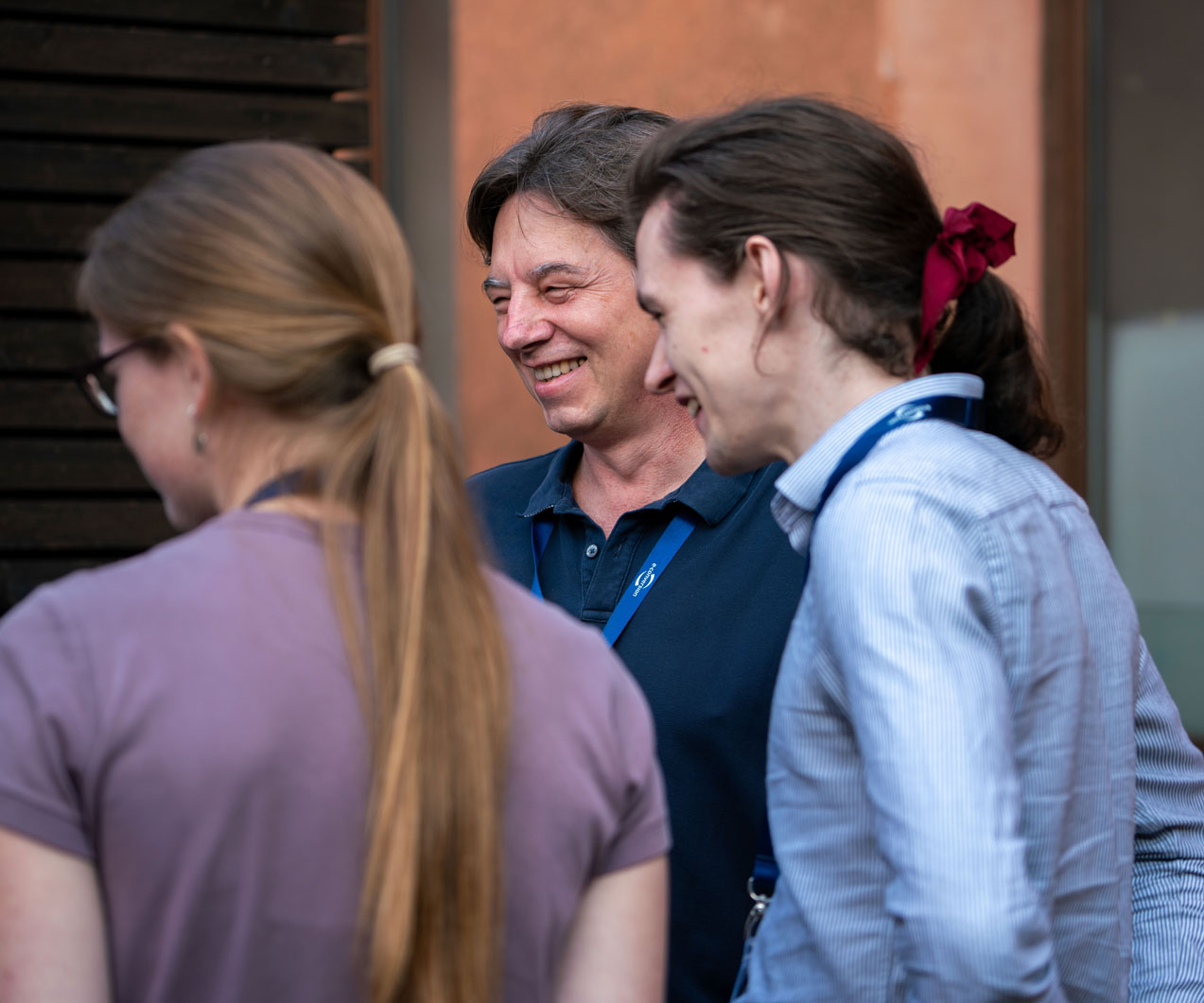
Beyond the scientific sessions, the conference provided numerous opportunities for conversation, new connections, and the development of shared ideas. As such, the event marked a successful beginning to the second funding phase of the Cluster of Excellence and the collective effort to develop the energy technologies of the future.
Impressions from the e-conversion conference 2026 in Venice
(More photos will follow as soon as possible)