

Finding the right blend
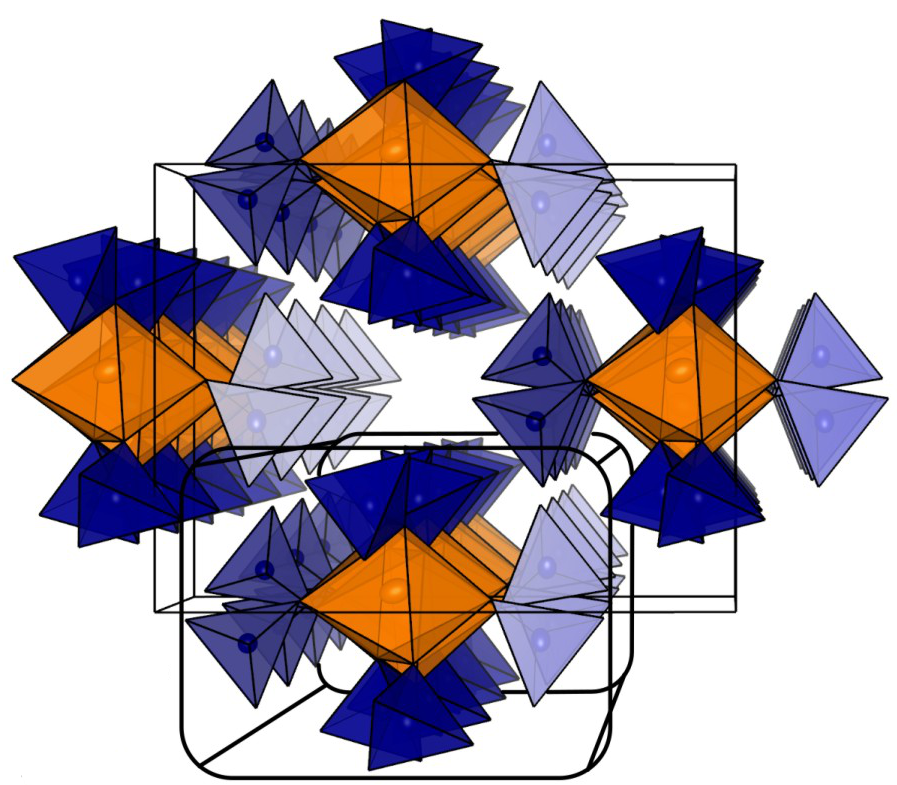
In the battery of the future, solids will replace the currently used electrolyte solutions. A team of e-conversion scientists has now developed a series of new sodium ion conductors. The secret of the best material in the series lies in the exact mixing of the ingredients.
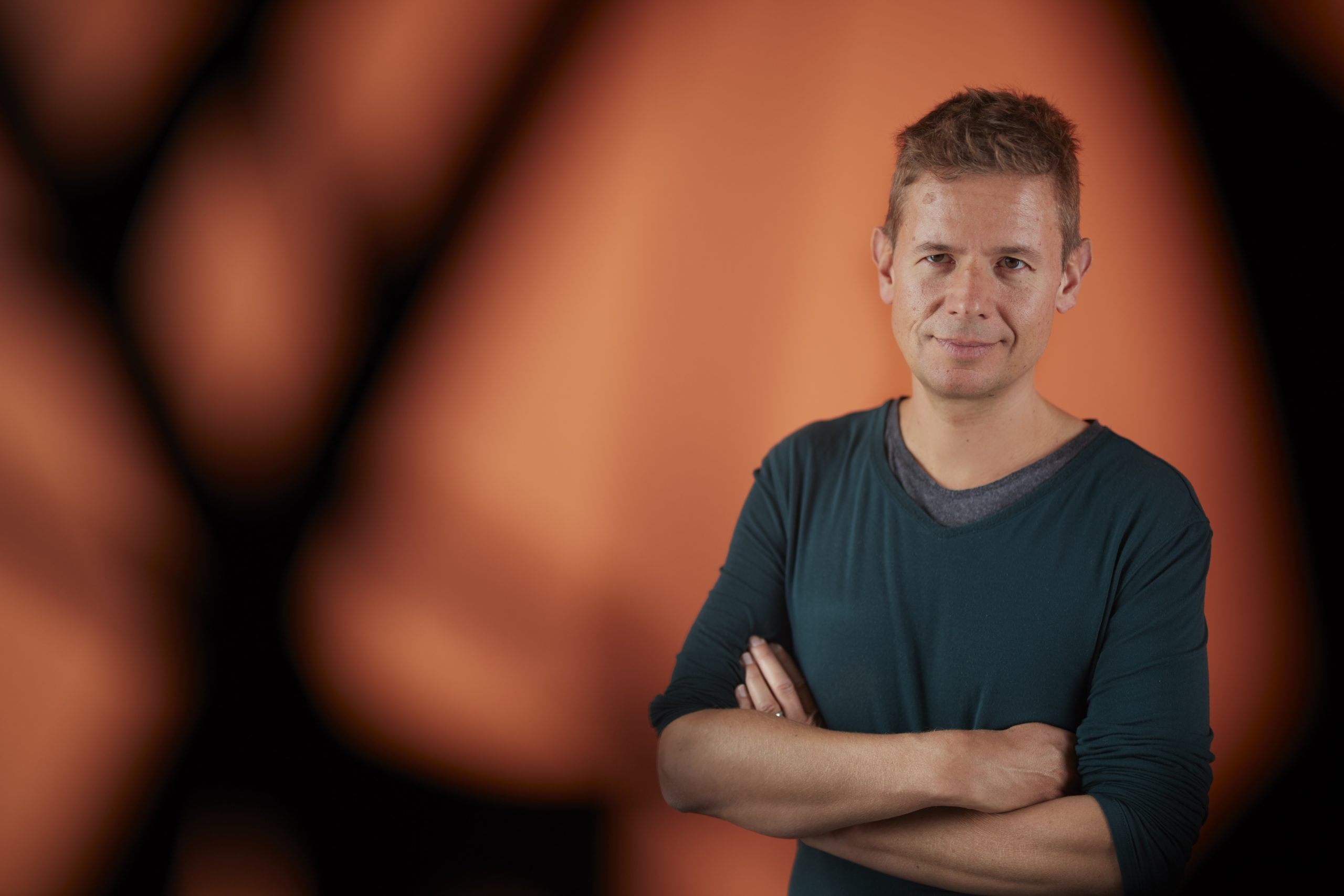
Outstanding scientist and brilliant lecturer Stefan Maier
Every year, the journal ACS Nano names three scientists who have made notable contributions to the nanosciences as Nano Award Lecture Laureates. This year’s awardees include e-conversion member Stefan Maier.
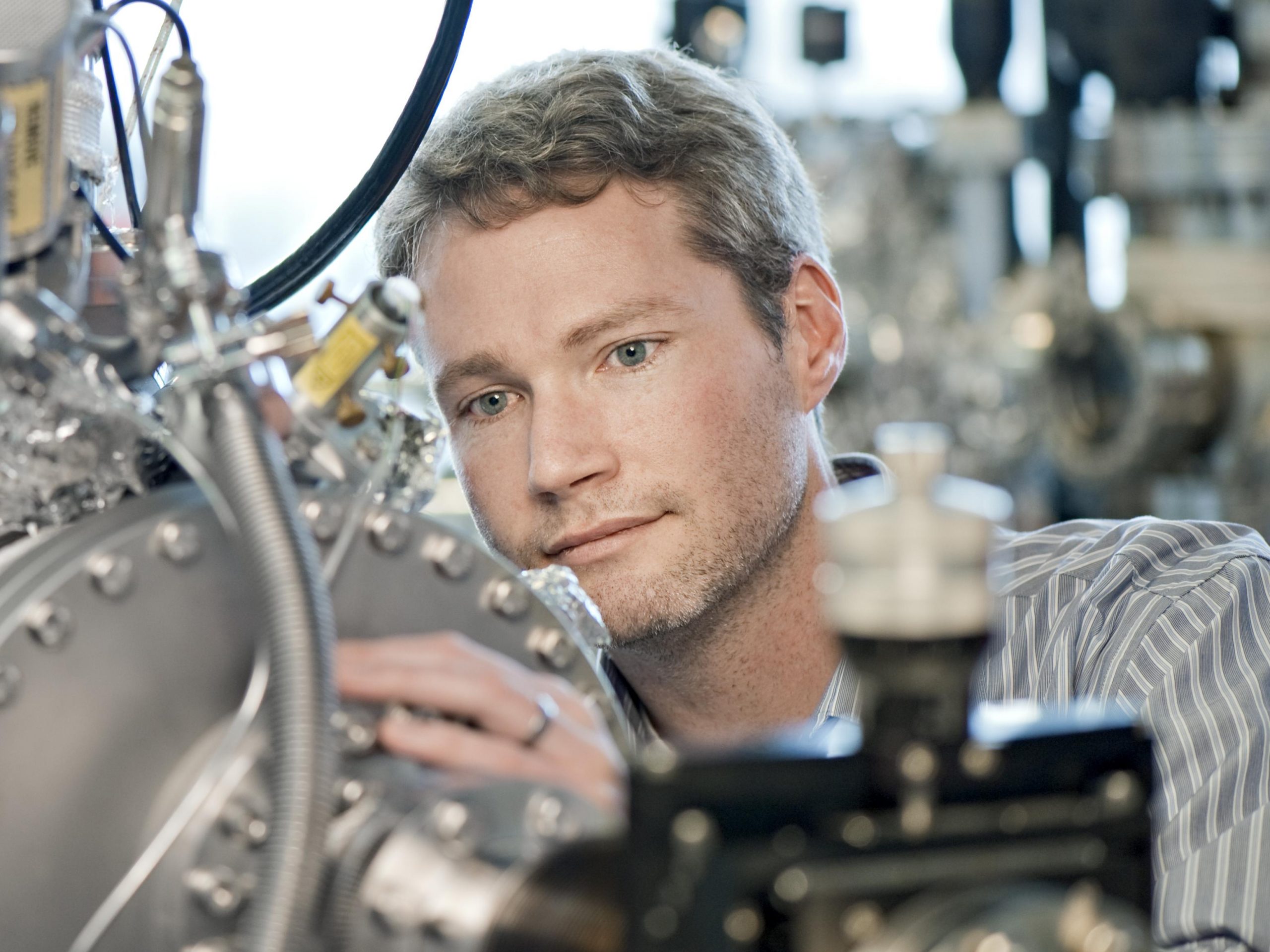
ERC Consolidator Grant for Ian Sharp
The e-conversion member Professor Ian Sharp has been awarded Consolidator Grant by the European Research Council (ERC). With his ERC project, he aims to develop new materials for photovoltaics.
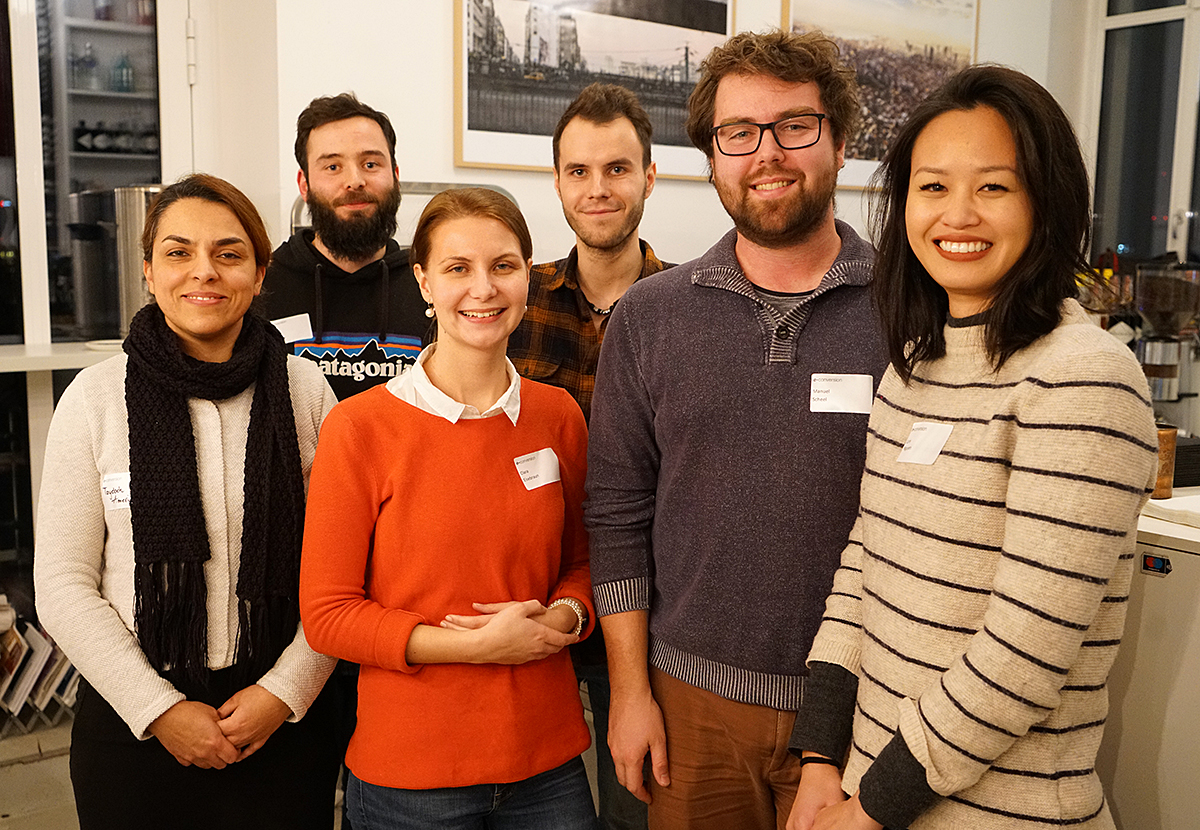
With Fun and Success through the PhD Thesis
With a kick-off meeting, the e-conversion graduate program officially started on St. Nicholas´ Day. The newly elected student board is looking forward to the ideas of their PhD colleagues and to creating a lively network.
Economizing on iridium
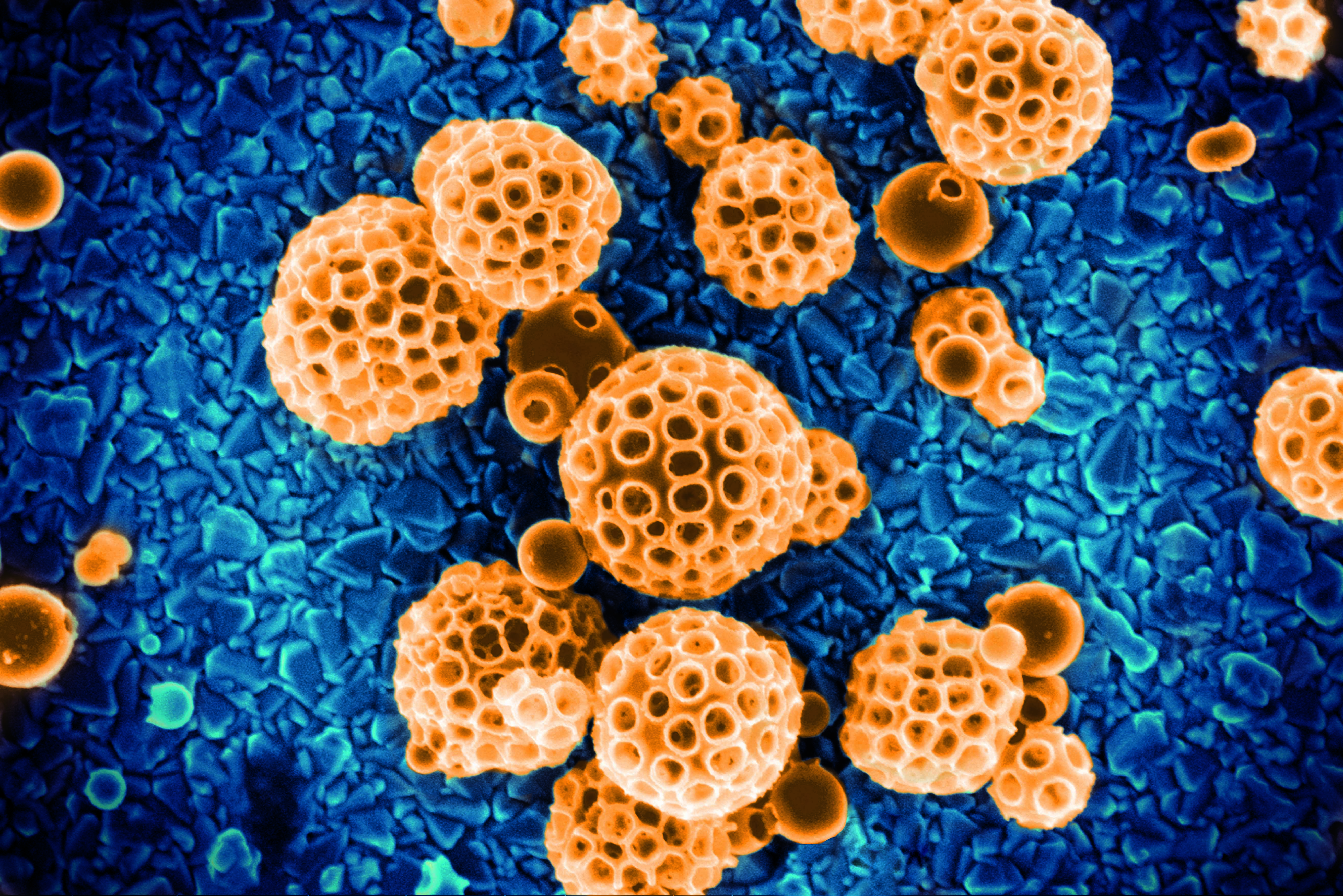
The nobel metal iridium is ideally suited for hydrogen production via electrolysis – and it is extremely expensive. But now a new kind of electrode helps you save real money. It is made of highly porous material and does an excellent job with just a hint of iridium.
The future of emerging Hybrid 2D Materials
Hybrid 2D materials offer opportunities from quantum engineering to energy applications. The Munich workshop gave profound insight into the cutting-edge research and fostered collaborations between scientists from Cambridge and LMU.
ERC Synergy Grant for Dario Leister
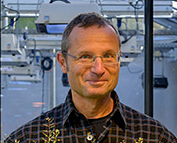
The e-conversion member Prof Dario Leister was awarded the highly renowned ERC Synergy Grant for the interdisciplinary project "PhotoRedesign”. It aims to enhance the efficiency of natural photosynthesis.
Here we are – the new player on the field!
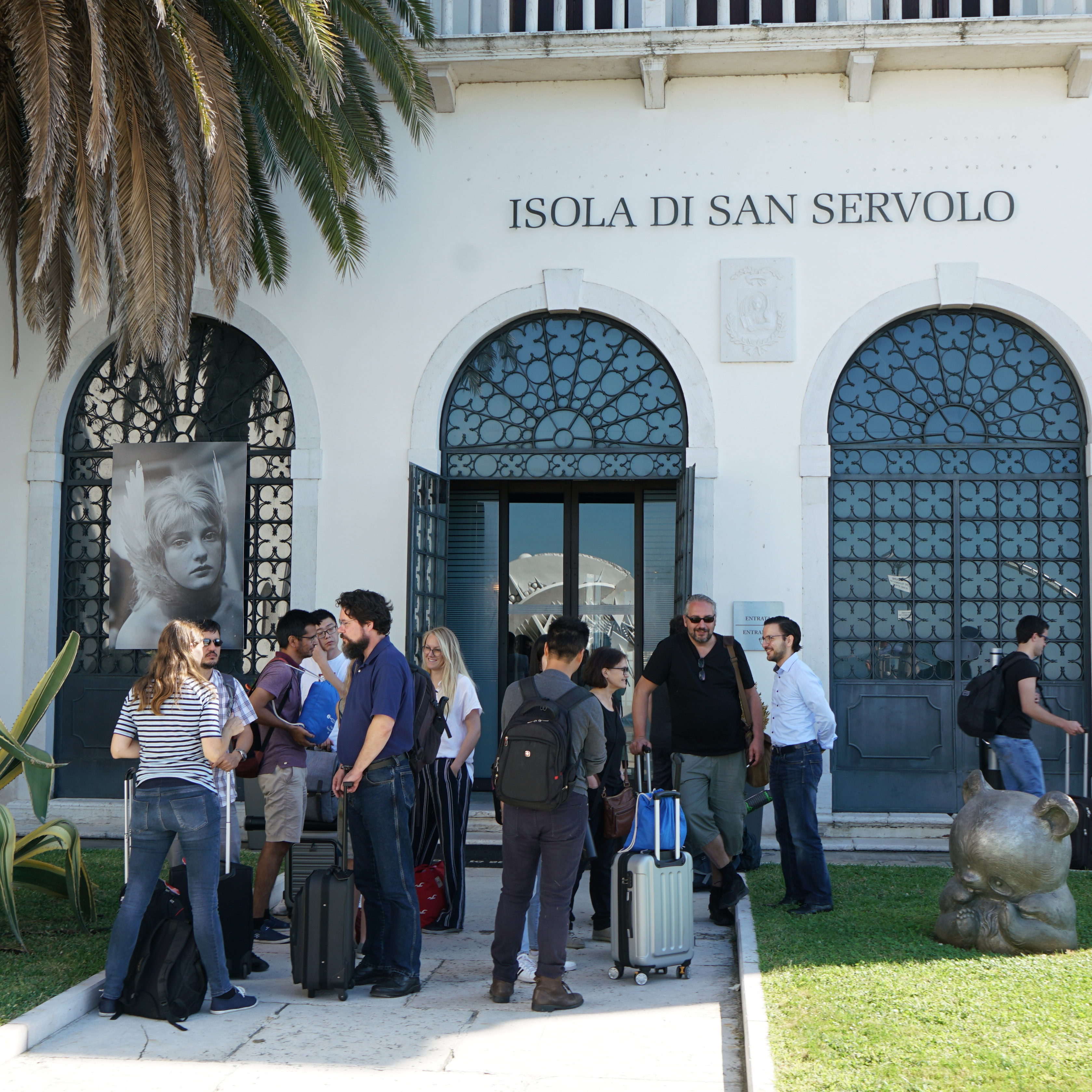
The ingredients had been just perfect: around 120 motivated participants and top-level speakers, warm September sunshine and as venue the Venice International University on the island San Servolo in the Venice lagoon. A gorgeous place for the first e-conversion conference from September 9-13, 2019. Visit the image galleries!
Heading for new biosensors with graphene and DNA
A biosensor´s most important sign of quality is sending a clear color signal when the target molecule binds. The signal strength depends on the distance of the fluorescence molecules involved. Now members of the Cluster of Excellence “e-conversion” are able to define and optimize this distance with nanometer precision.
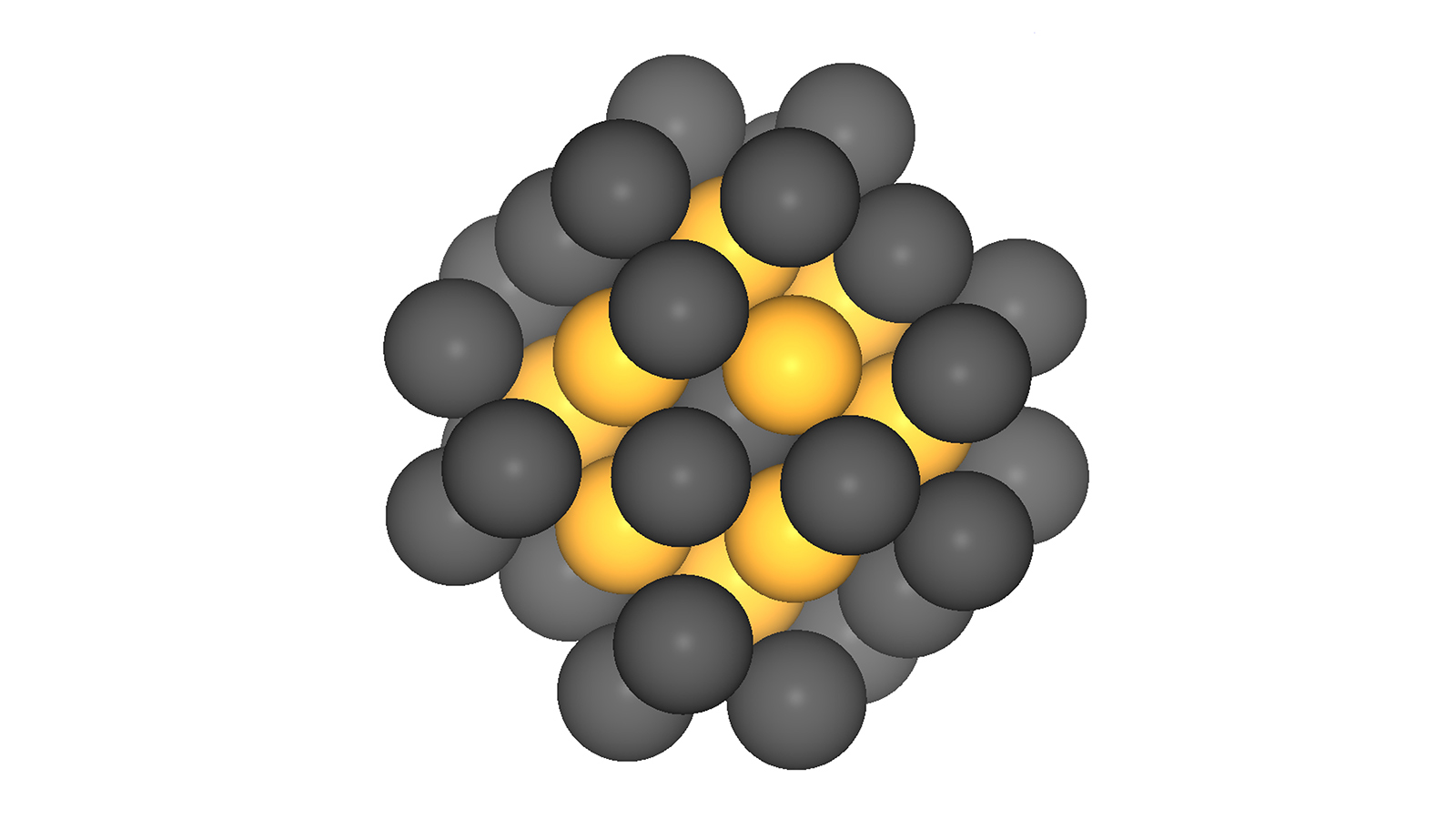
Activity of fuel cell catalysts doubled
An interdisciplinary research team at the Technical University of Munich (TUM) has built platinum nanoparticles for catalysis in fuel cells: The new size-optimized catalysts are twice as good as the best process commercially available today.
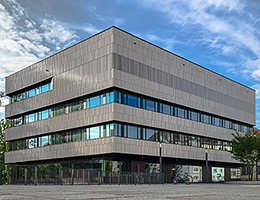
Overlooking the English Garden
LMU's new Nano Institute on Königinstrasse was officially opened on June 17, 2019. Its research staff will seek novel ways of exploiting the unique properties of nanomaterials to enhance the efficiency of energy generation and storage.
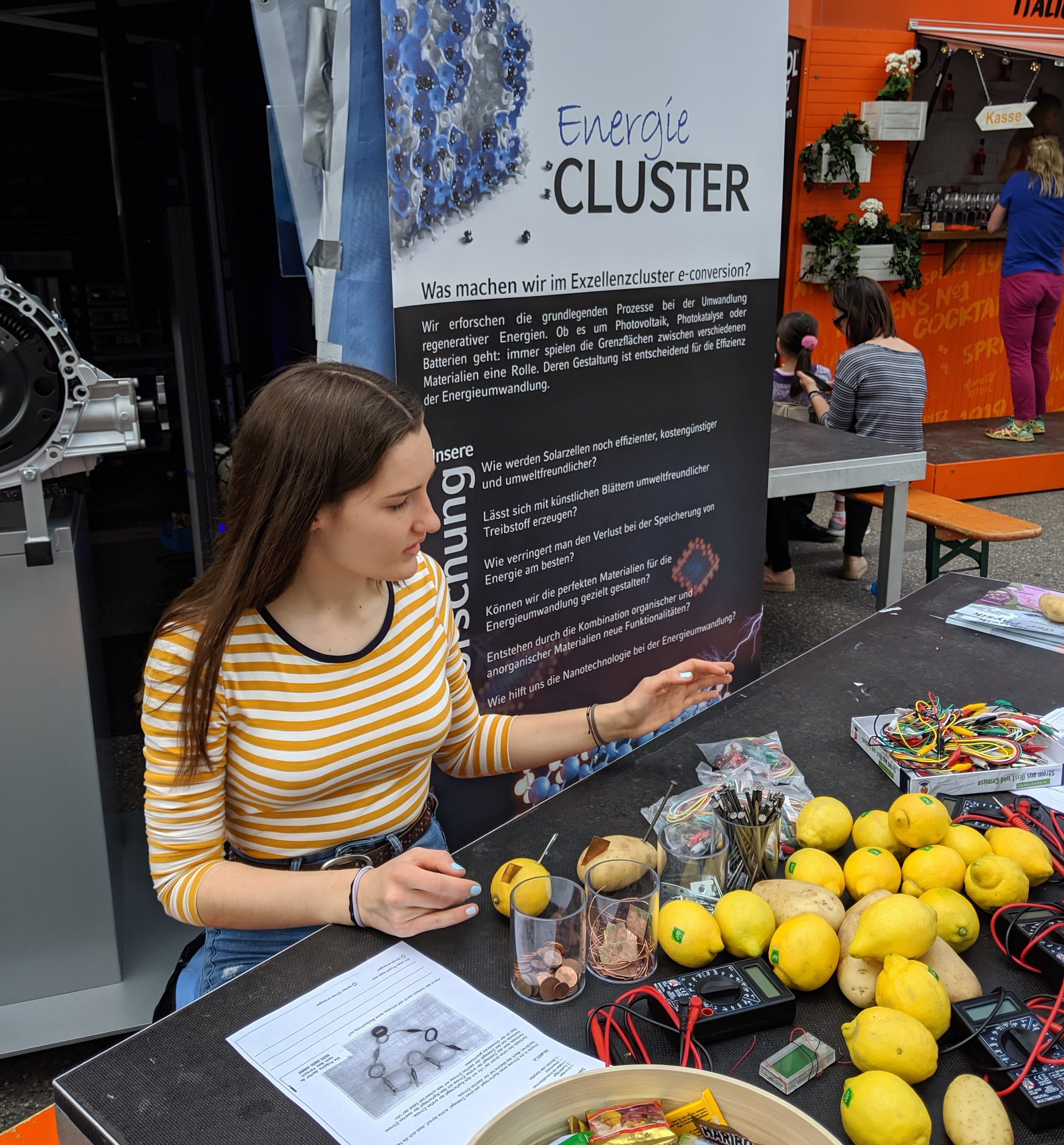
Lemons full of energy
The e-conversion stand at the Munich Streetlife Festival in May was a great success. Many people tried the hands-on experiments and informed themselves about the cluster activities. Hope to see you again at the next festival on September 7-8, 2019!
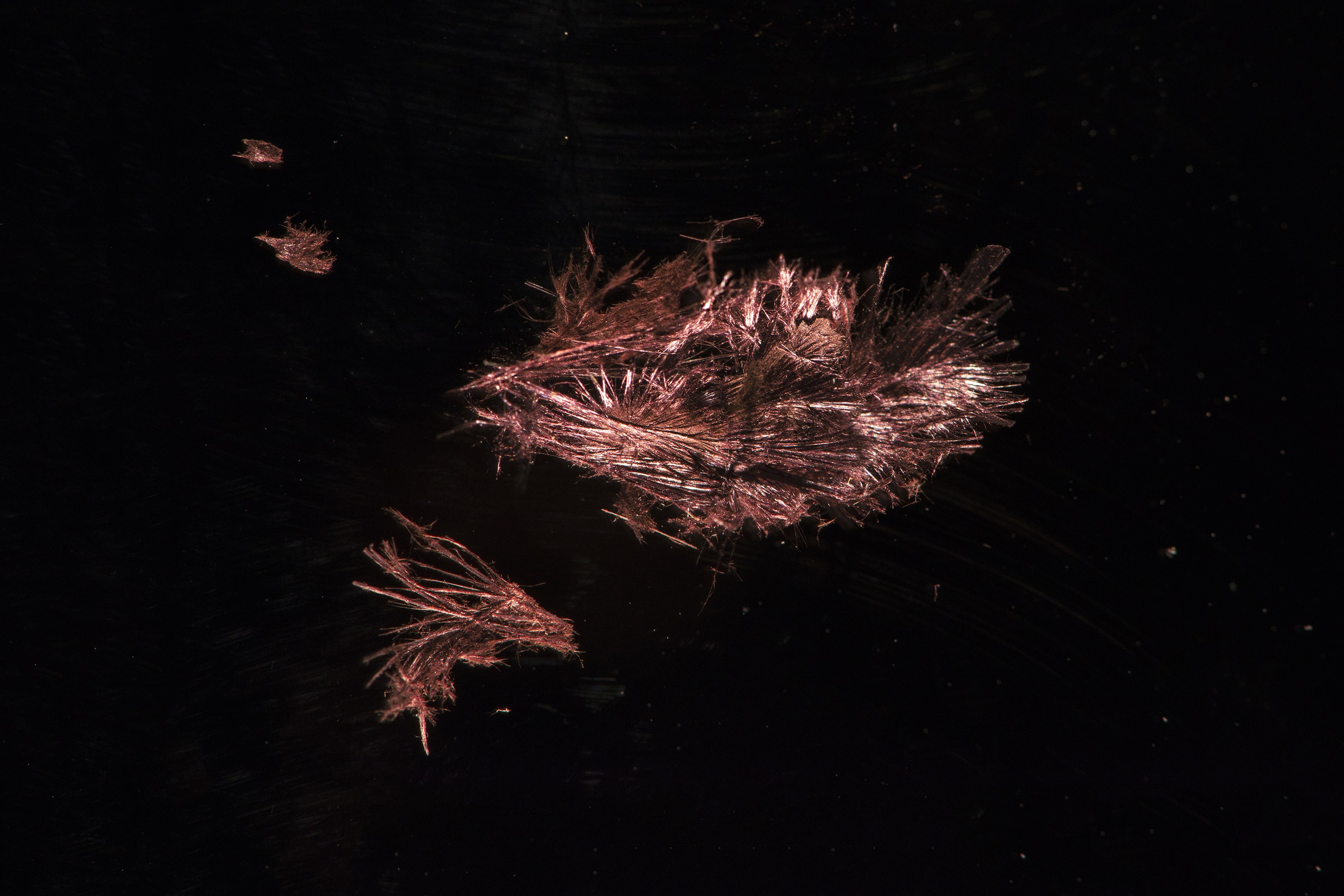
Efficient catalyst for water splitting
Chemists of the e-conversion cluster have developed an efficient water splitting catalyst as part of a collaborative international research effort. The catalyst comprises a double-helix semiconductor structure encased in carbon nitride. It is perfect for producing hydrogen economically and sustainably.
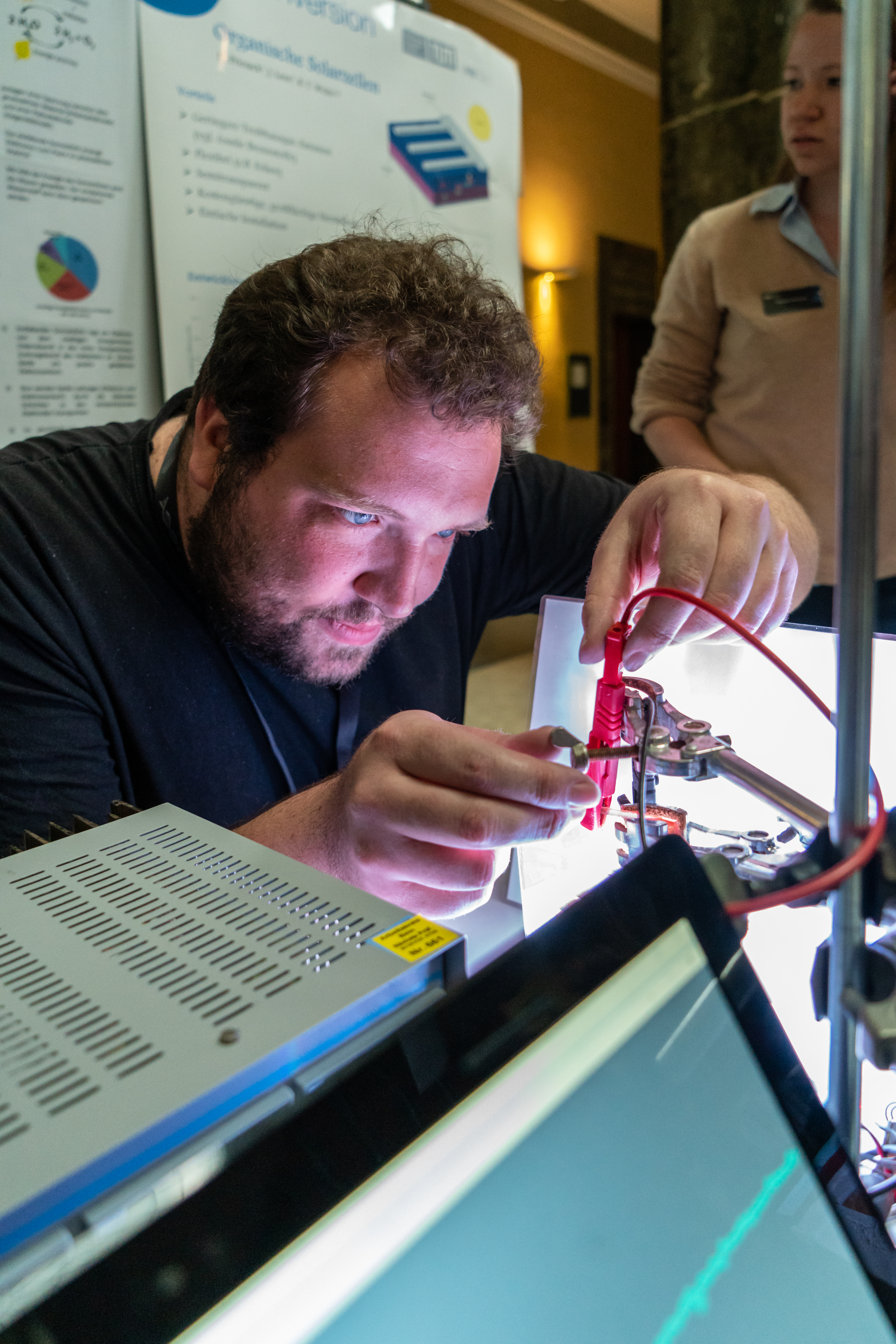
Open House Day at the LMU Faculty of Physics
On 4 May 2019, the e-conversion cluster was part of an impressive journey through the whole world of physics: the LMU Faculty of Physics had organized an Open House Day at the LMU main building to present its entire spectrum of research. More than 2,500 people came to attend the broad range of talks, lectures, workshops and lab tours.
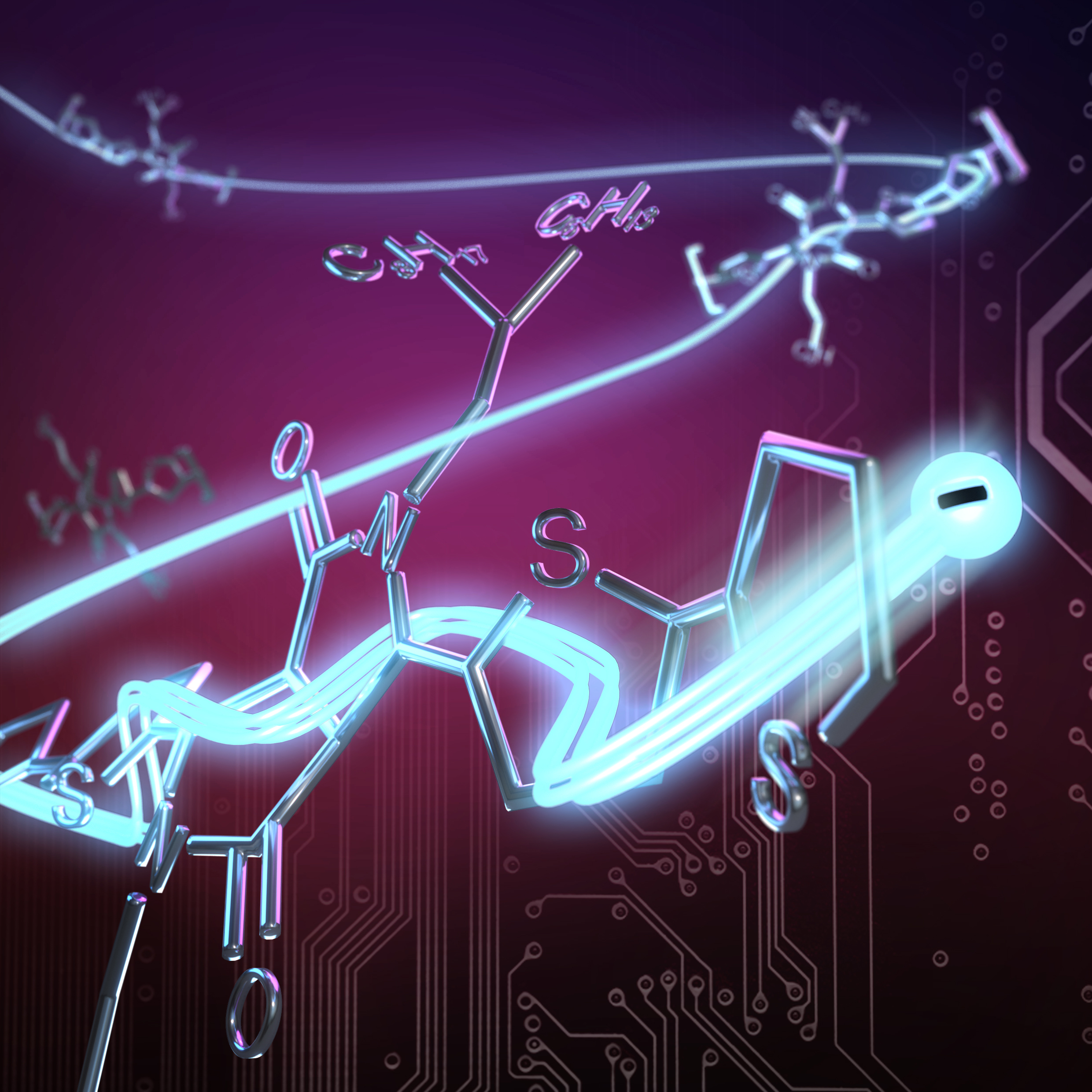
One transistor for all purposes
Be it in a mobile, fridge or plane - transistors are everywhere. But often they are specialized for only one current range. Prof. Thomas Weitz (NIM) and his team have now developed a nanoscopic transistor of organic semiconductor material that is working perfectly at low and high currents.
Molecular Lego blocks
Organic semiconductors are lightweight, flexible and easy to manufacture. But they often fail to meet expectations regarding efficiency and stability. Researchers at the Technical University of Munich (TUM) are now deploying data mining approaches to identify promising organic compounds for the electronics of the future.
Interfaces and Interferences
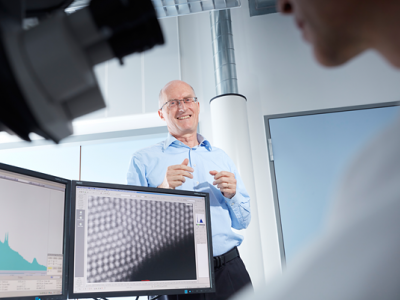
Photocells, catalysis, batteries? What is the most efficient and sustainable way to capture and convert energy into useful forms? The new Cluster will study the processes that take place at the interfaces between different materials.