

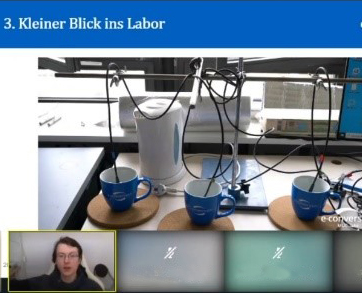
A full success: The first Munich School Labs Days
On the first Munich School Lab Days e-conversion presented its school program to about 60 teachers. Our cluster is one of the founders of the MUC-labs association organising the event.
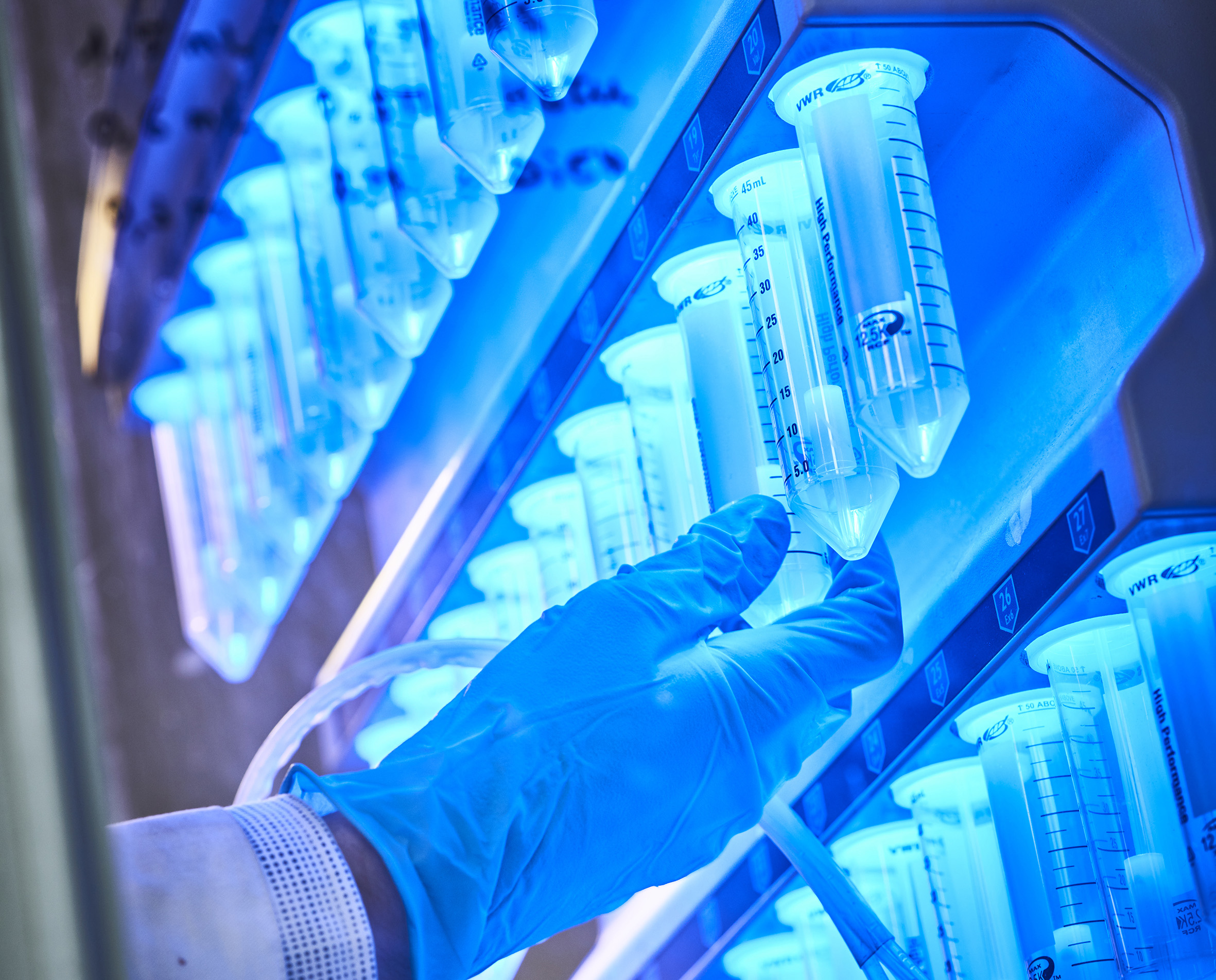
Small molecules that behave like helical springs
Tightly wound nanomolecules respond to external forces faster than classical springs - discovered by e-conversion scientists. They can be extended and rapidly return to their original form releasing mechanical energy.
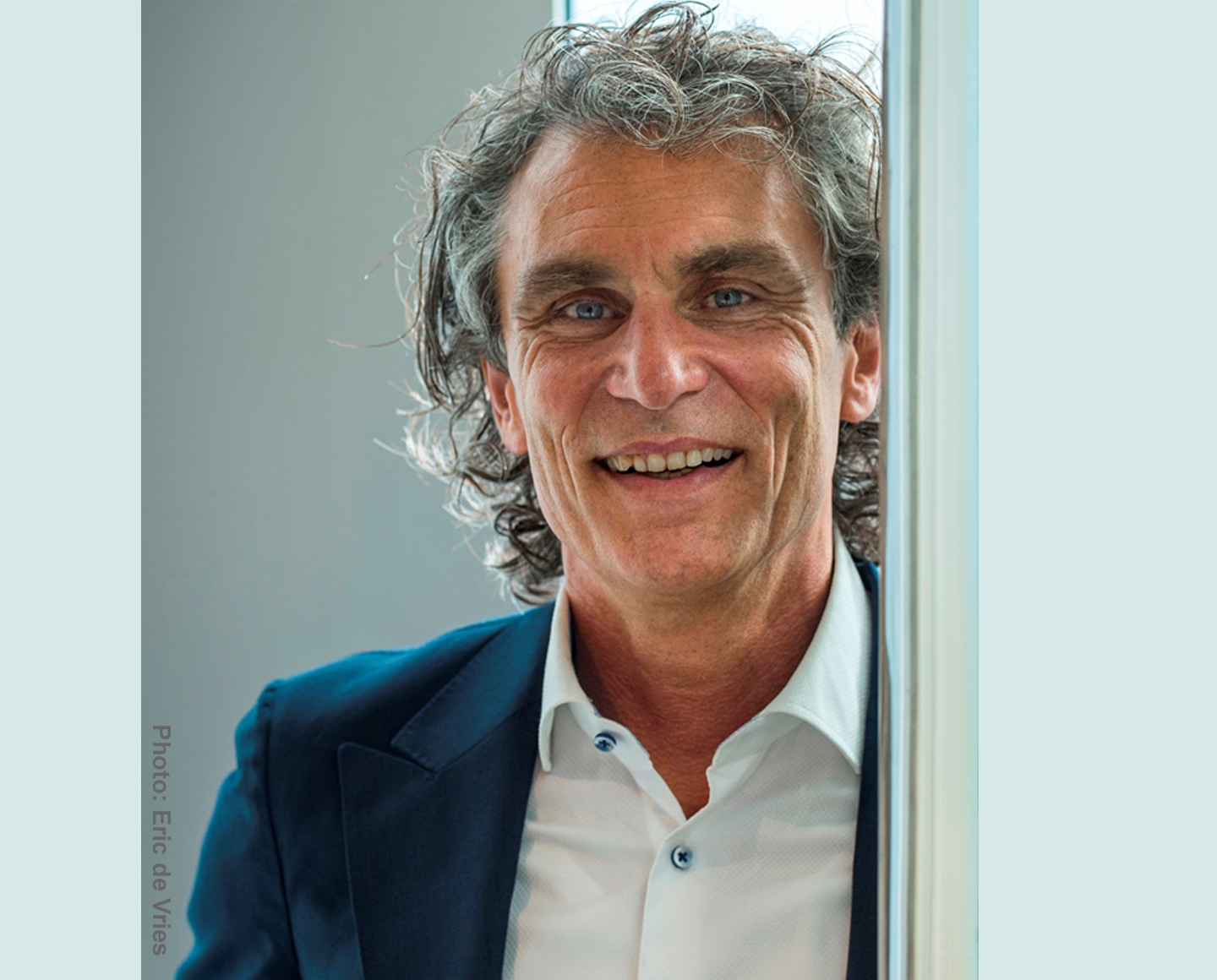
Electrochemical Society Awards for Hubert Gasteiger
In 2020 Prof. Hubert Gasteiger received two awards from the Electrochemical Society, the Vittoria de Nora Award and the Battery Division Research Award.
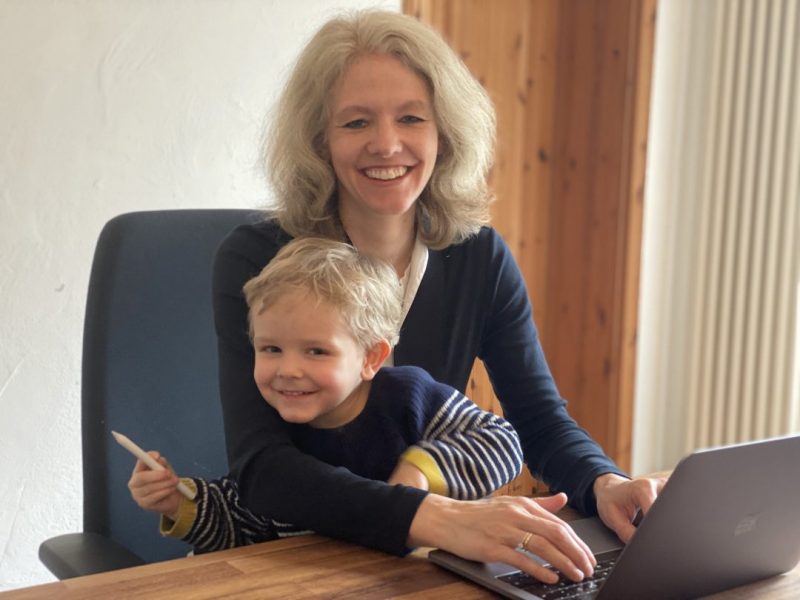
“Our research can make a difference”
In an interview with Advanced Science News Prof. Bettina Lotsch tells about her way into science, her enthusiasm for energy research and how we might overcome the global energy crisis.
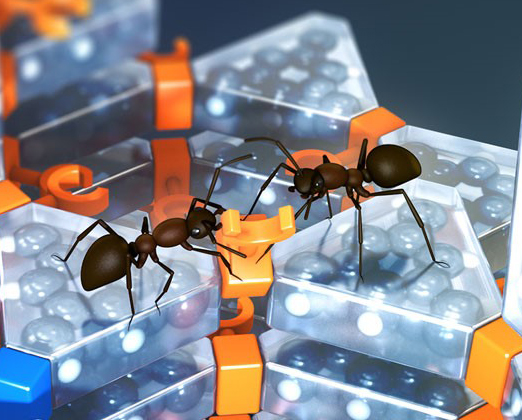
The perfect material: Stable and easy to functionalize
With a single synthetic step e-conversion scientists produce a new class of stable and functionalizable COF structures with active anchoring sites for catalysis. A key to success: Formic acid.

“Women in Science” – New video series
With this series we will give our female scientists the platform to talk about their profession with focus on their gender related experiences and challenges. Enjoy watching!
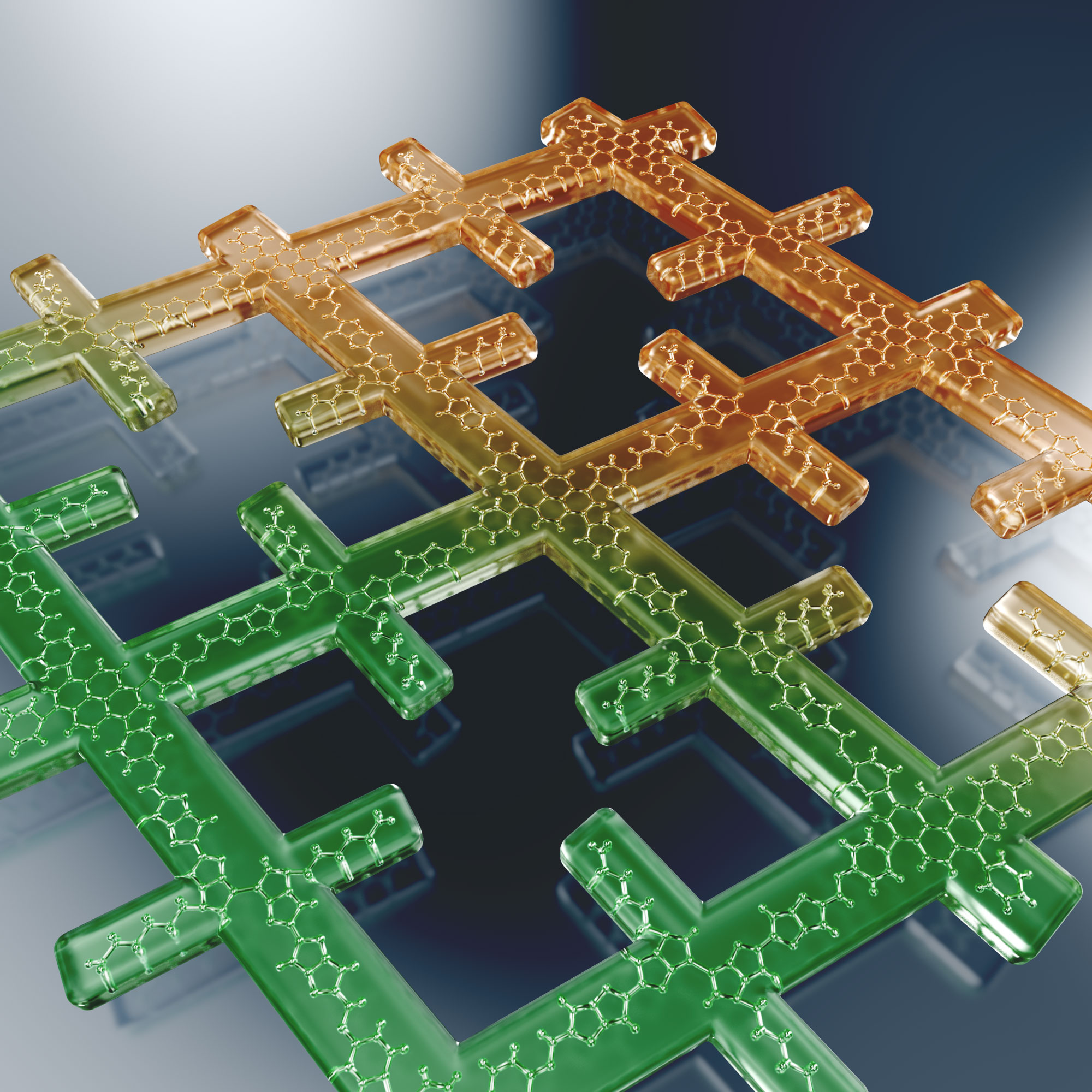
Rapid color change
Smart glass can change its color through electricity. A new material developed by e-conversion scientists has now set a speed record for such a color change.
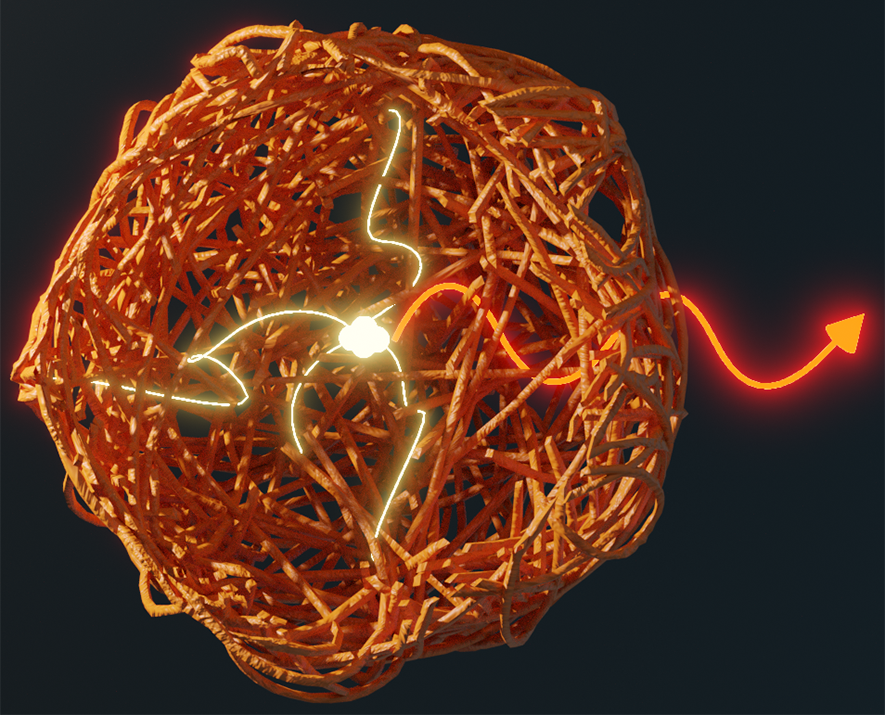
The secret of the missing excitons
Organic semiconductors as used for OLEDs constantly lose excited electrons by annihilation processes. Now e-conversion scientists could count the chromophoric molecules hosting the electron packets and disclose how they move and extinguish each other.
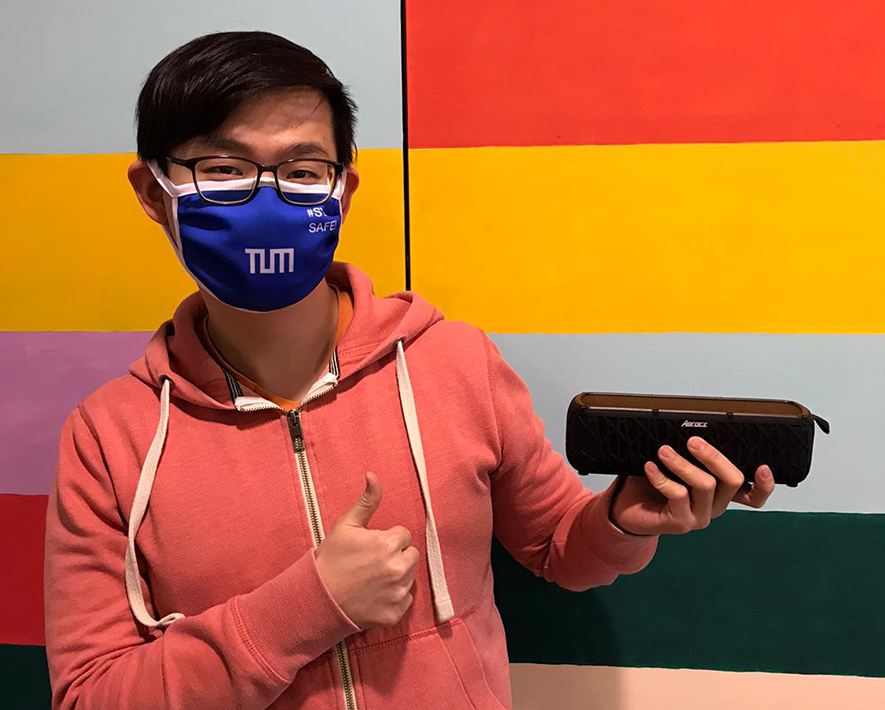
And the winner is…
Our second Mysterious Science Quiz is solved. The solar powered bluetooth loudspeaker goes to Simon Qian from TU Munich. Stay alert! The third one is to follow soon...
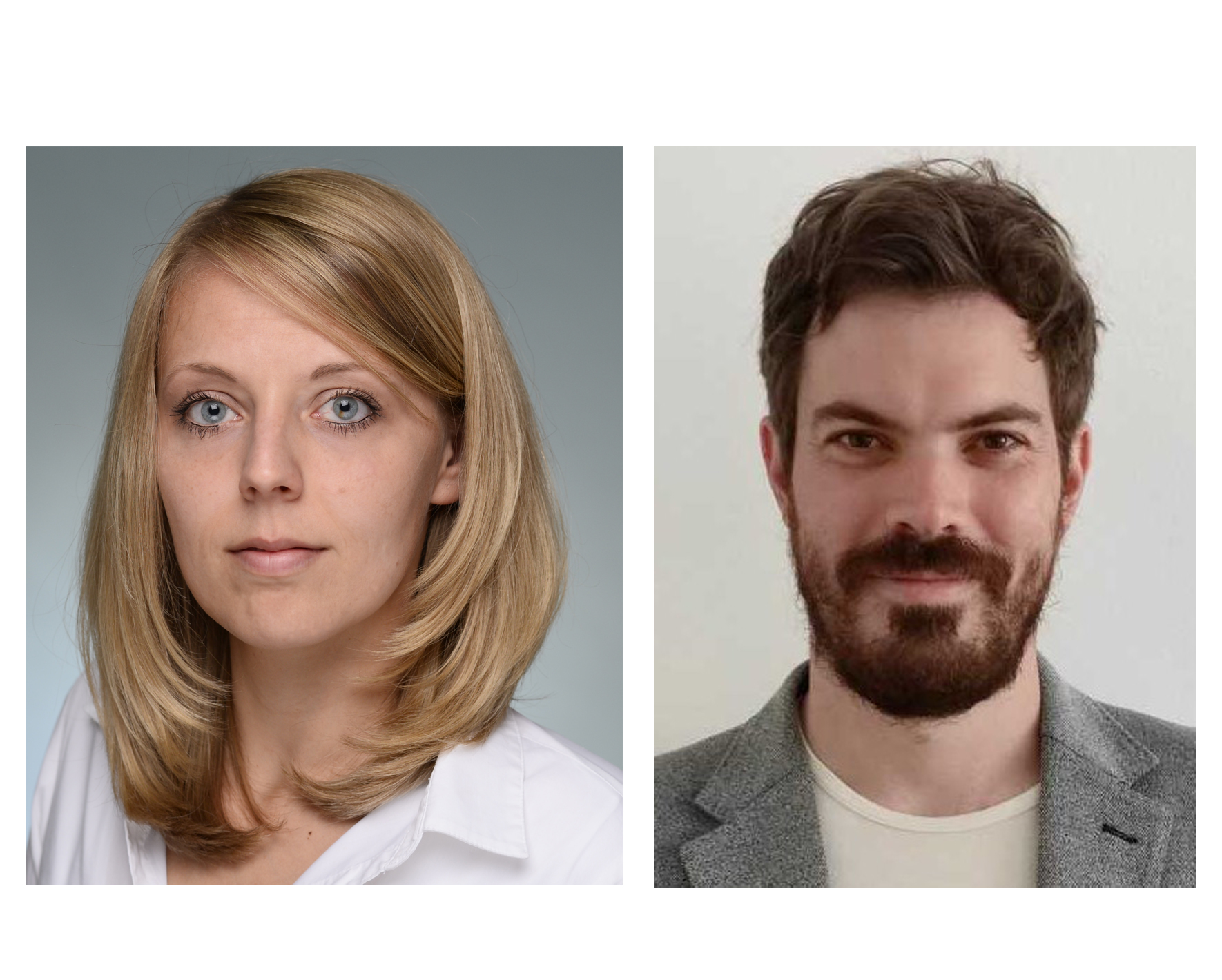
A warm welcome!
Our cluster keeps growing! We are pleased to welcome two very talented young scientists:
Dr. Johanna Eichhorn and Dr. Dominik Bucher.
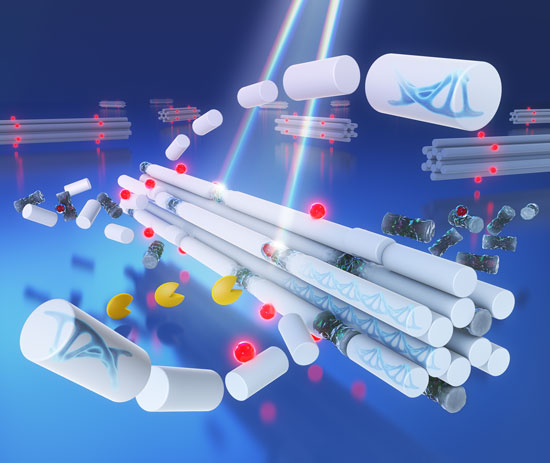
The toolbox always at hand
How do you repair the world's smallest machines? Let them do it on their own! A new e-conversion publication gives an example on how this works for DNA origami nano-machines.
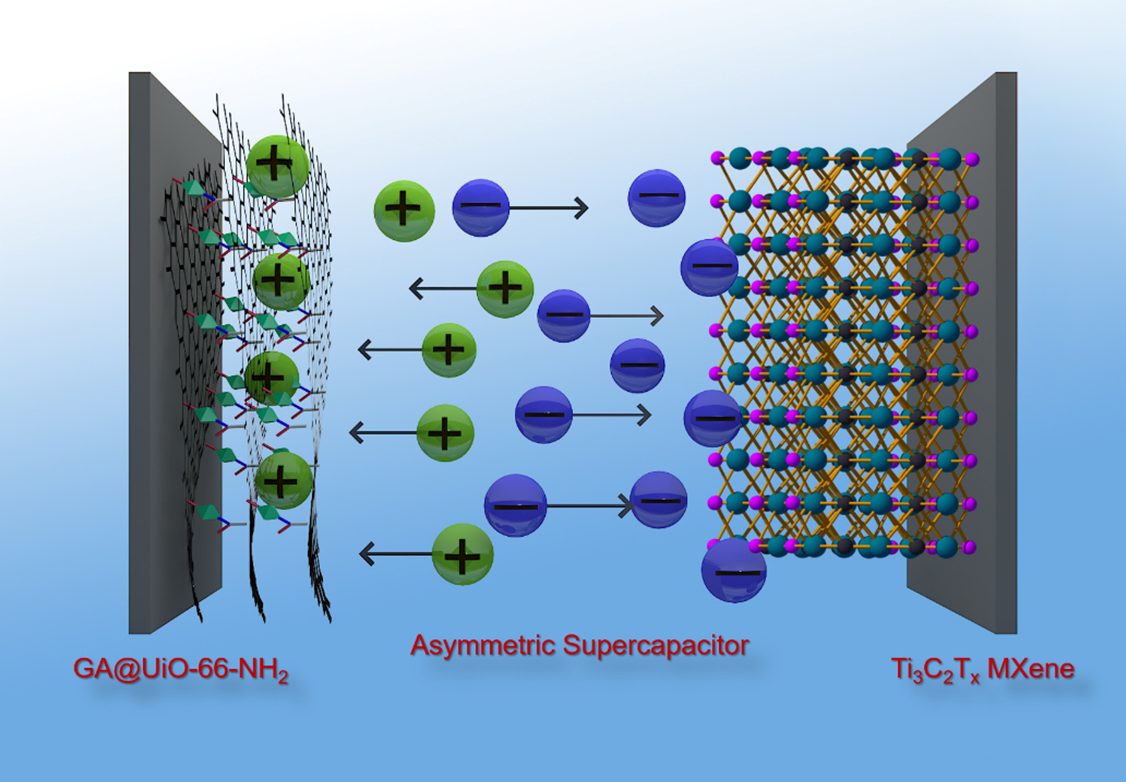
Supercapacitors challenge batteries
Supercapacitors store and release energy very fast but have a low energy density. This might change due to a powerful graphene hybrid material developed by the team of Roland Fischer.
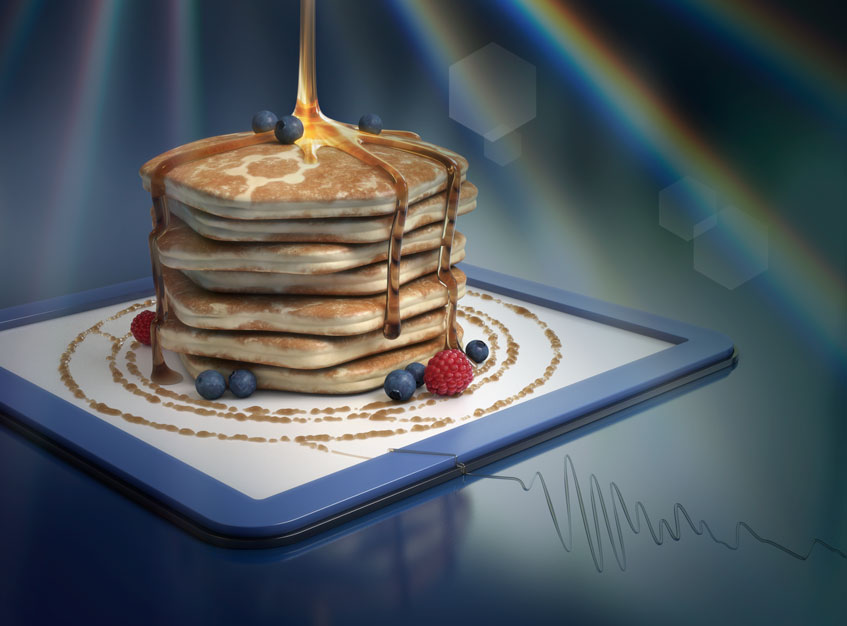
Layers step out of line
If the stacking structure of the “miracle material” COF is slightly shifted, its properties change dramatically. This happens more often than assumed, as chemists from e-conversion could demonstrate.
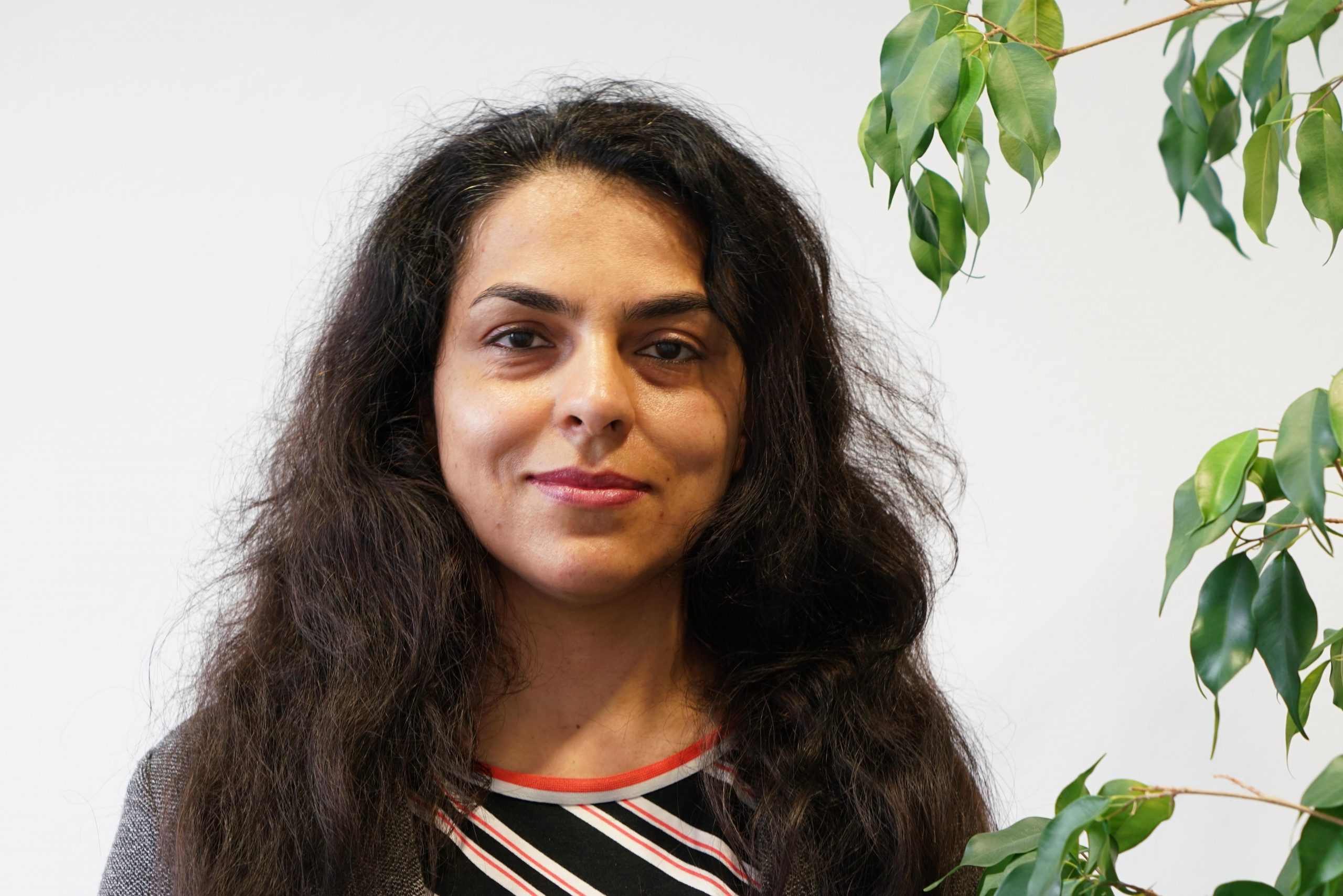
Arnold Sommerfeld Prize for Dr. Tayebeh Ameri
We cordially congratulate our member PD Dr. Tayebeh Ameri on being awarded with the Arnold Sommerfeld Prize 2020 by the Bavarian Academy of Science.
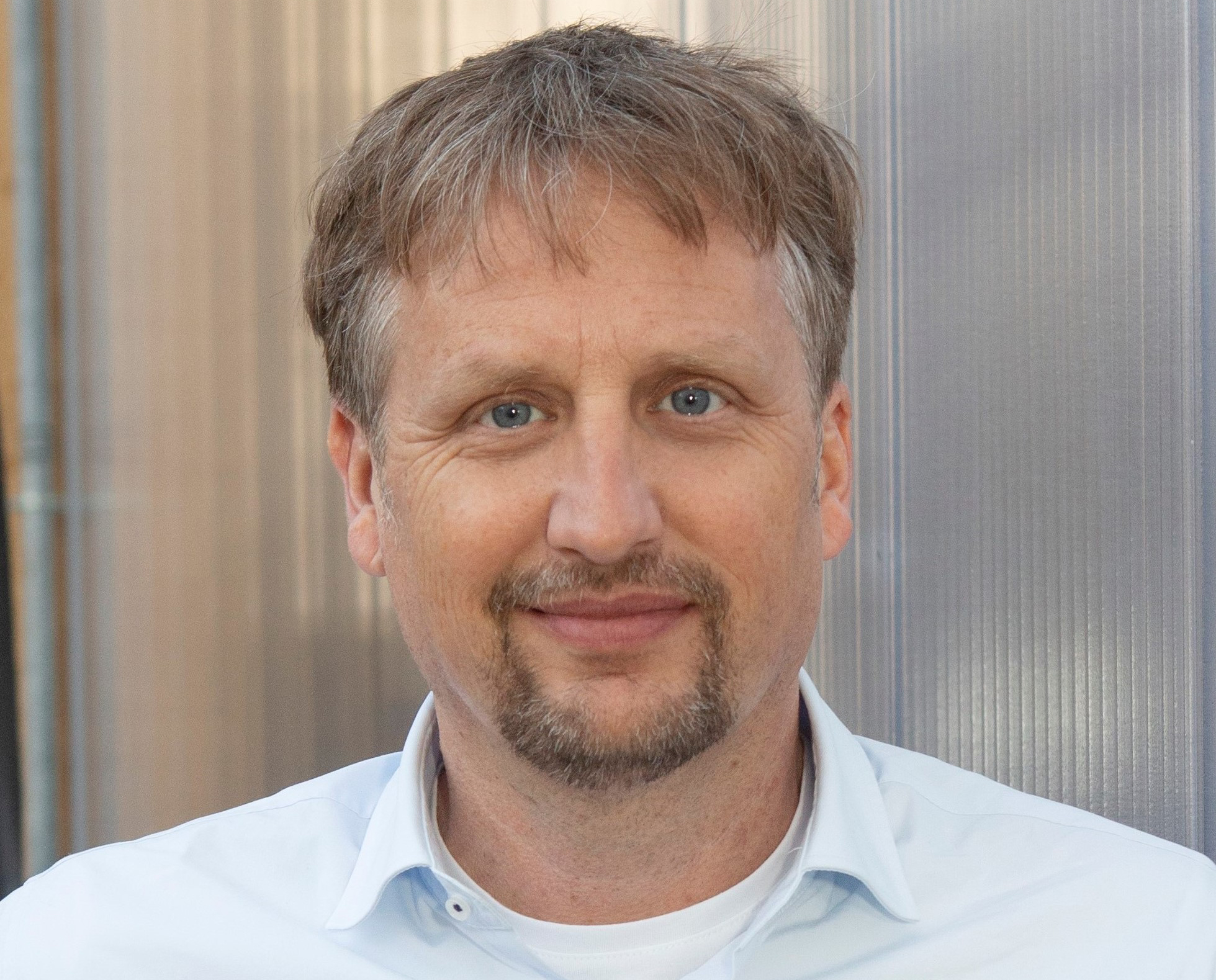
YES to Munich
Two offers for a W3 professorship reached the e-conversion scientist Alexander Holleitner in 2020. To our delight, he accepted the offer of the TU Munich and remains in the cluster.
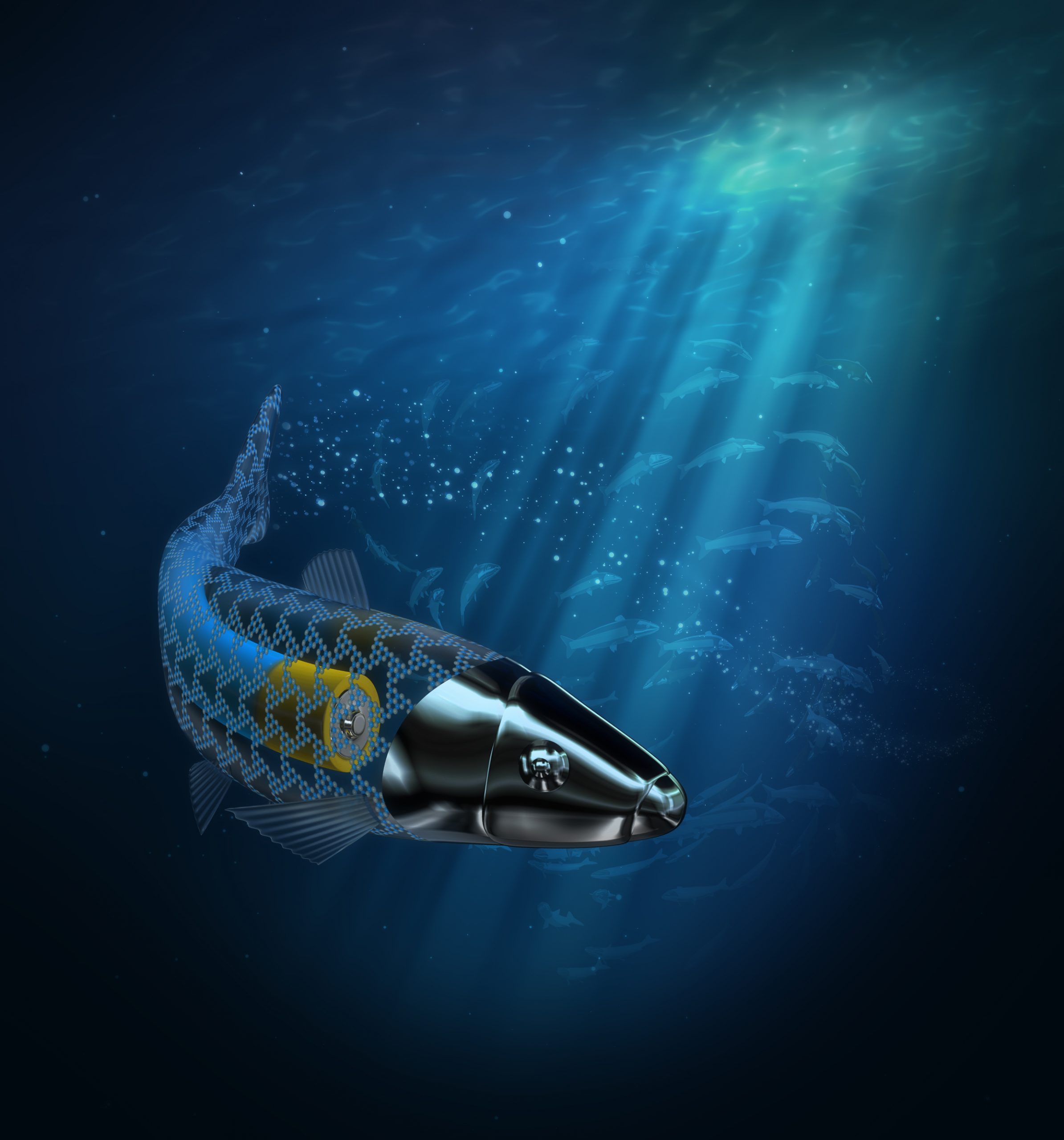
Soak up the sunlight and swim in the dark
Microswimmers are particles that activly move in liquids when supplied with energy. By a new light charging mechanism, they can now move in the dark and get interesting for medicine.
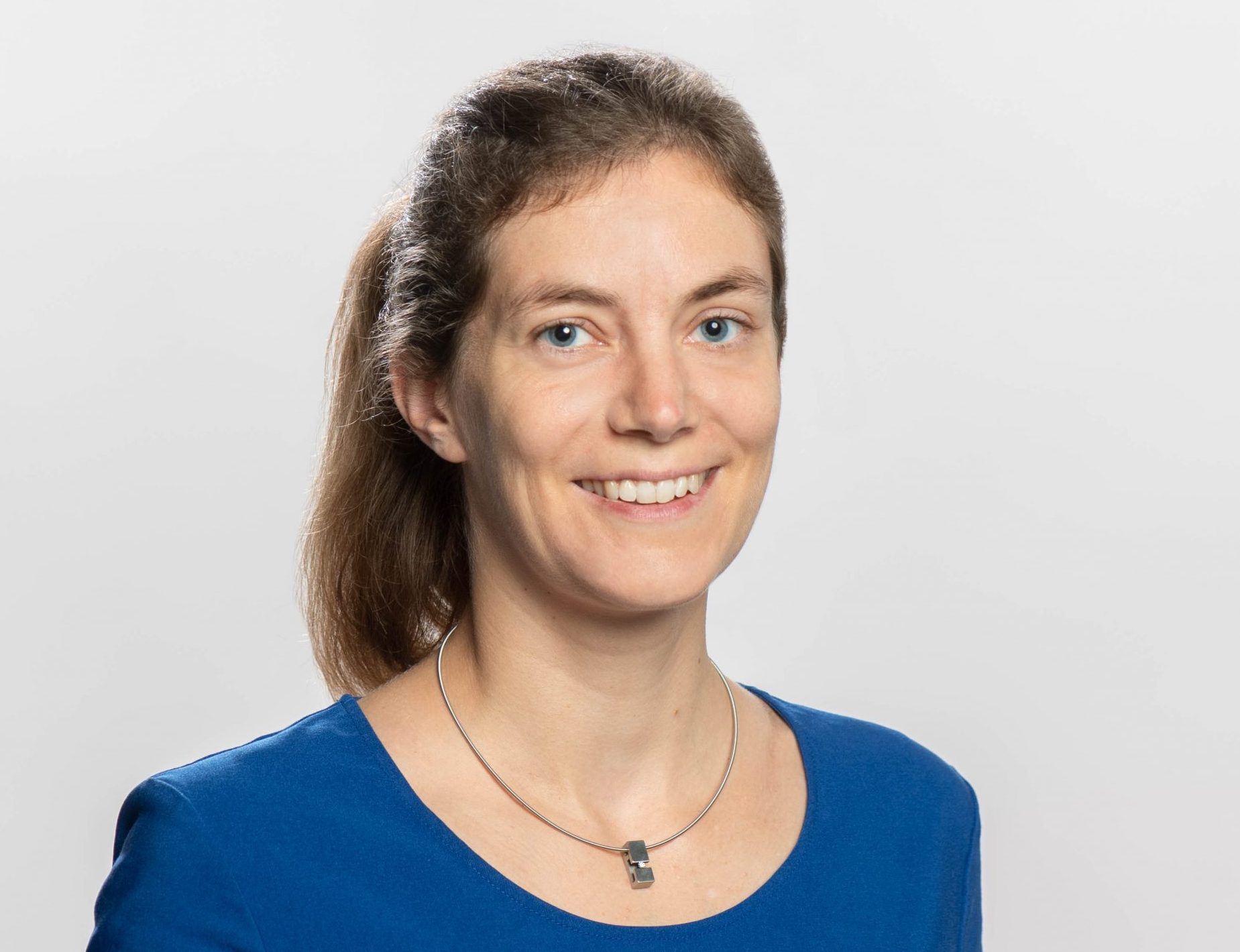
W2 tenure track professorship for Barbara Lechner
On October 1st, 2020, our member Barbara Lechner, started her new position as W2 tenure track professor. We wish her all the best!
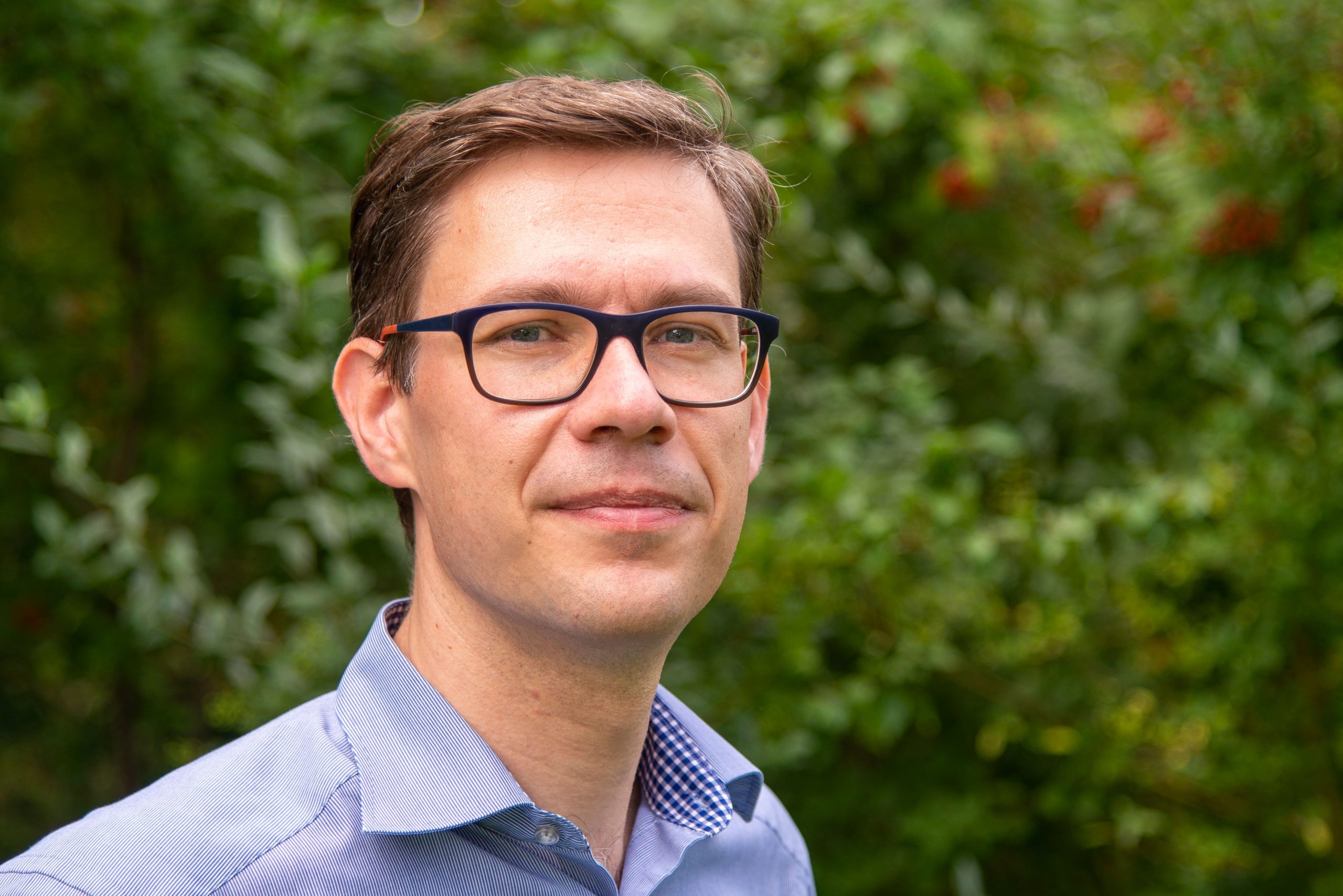
The lab in the computer
How are electrons “ticking”? And why is their behavior so important for efficient solar cells? Learn more about it in the research portrait of our new member Prof. Frank Ortmann.
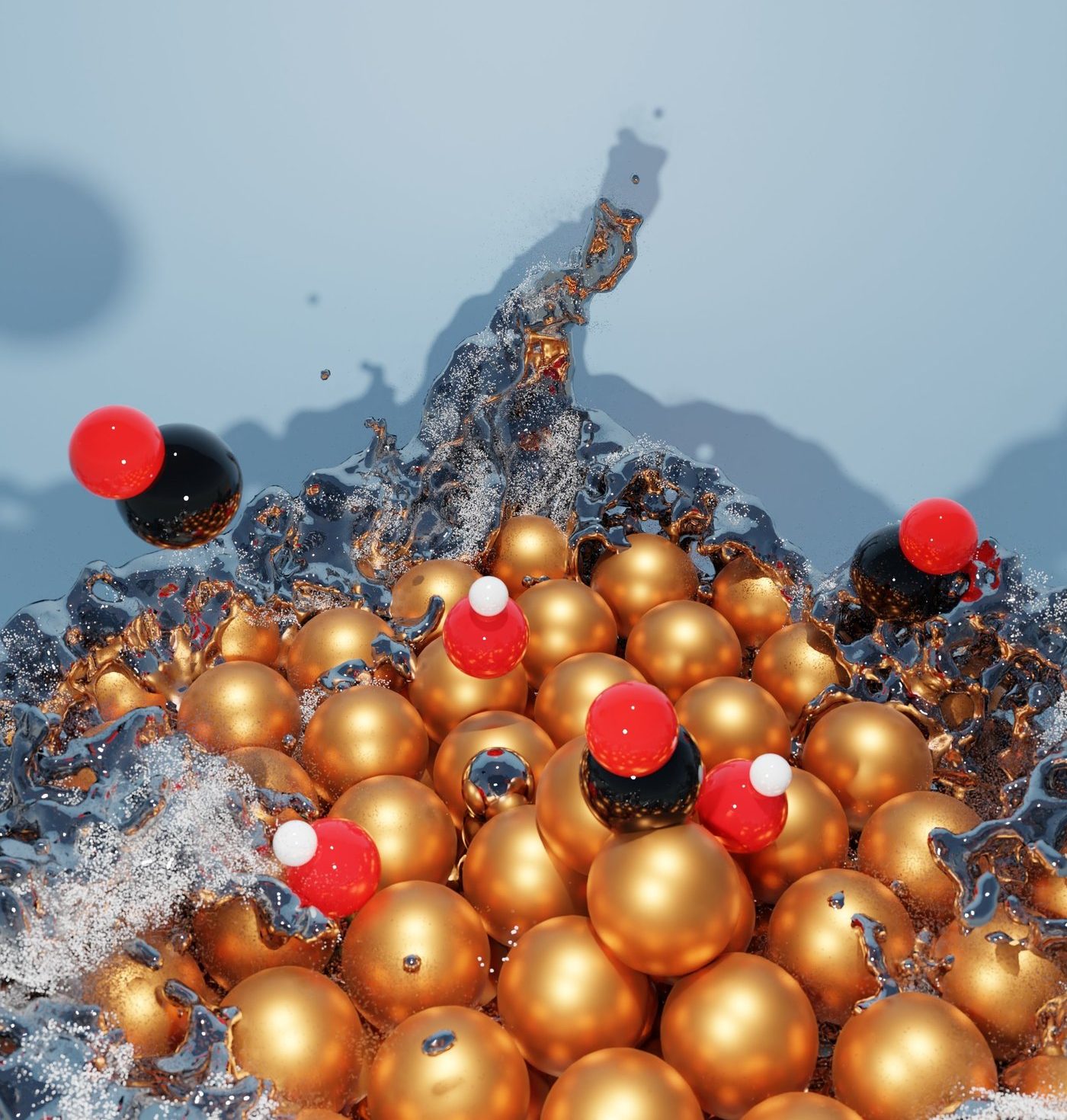
A new grip on the Sabatier principle
Even for experienced catalysts, matchmaking is not always easy. Some partners bind too strong, others leave too early. Read here how a copper electrode solves this problem by itself.
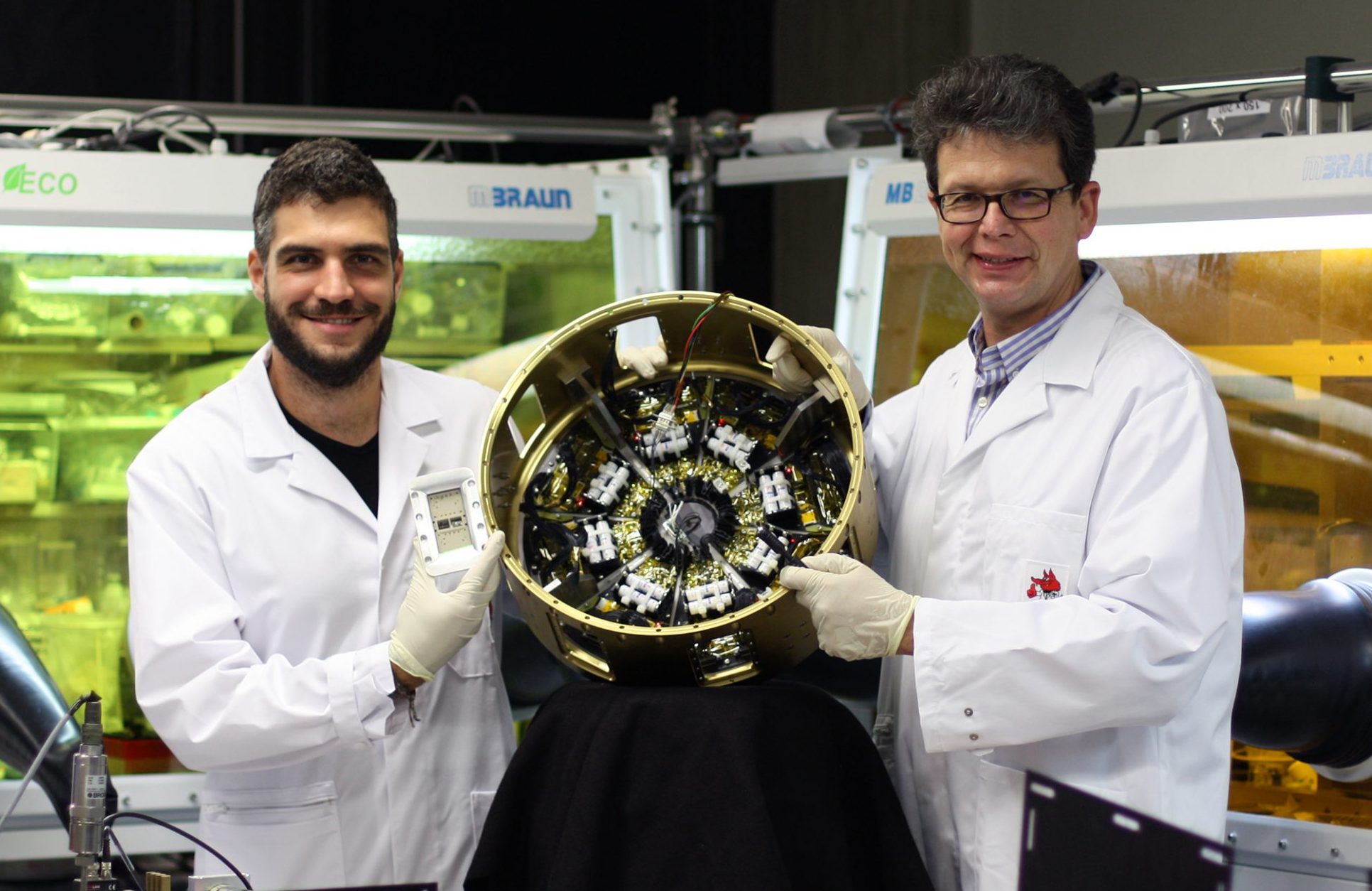
New solar cells for space
A payload module of perovskite and organic solar cells from the lab of e-conversion member Prof. Müller-Buschbaum proved successful on a rocket flight in space.
“Schee, dass do seids!”
With this Bavarian expression for "welcome" we happily introduce two outstanding scientists as new members of our cluster: Prof. Alessio Gagliardi and Prof. Frank Ortmann.
Spanish-German Award for Thomas Bein
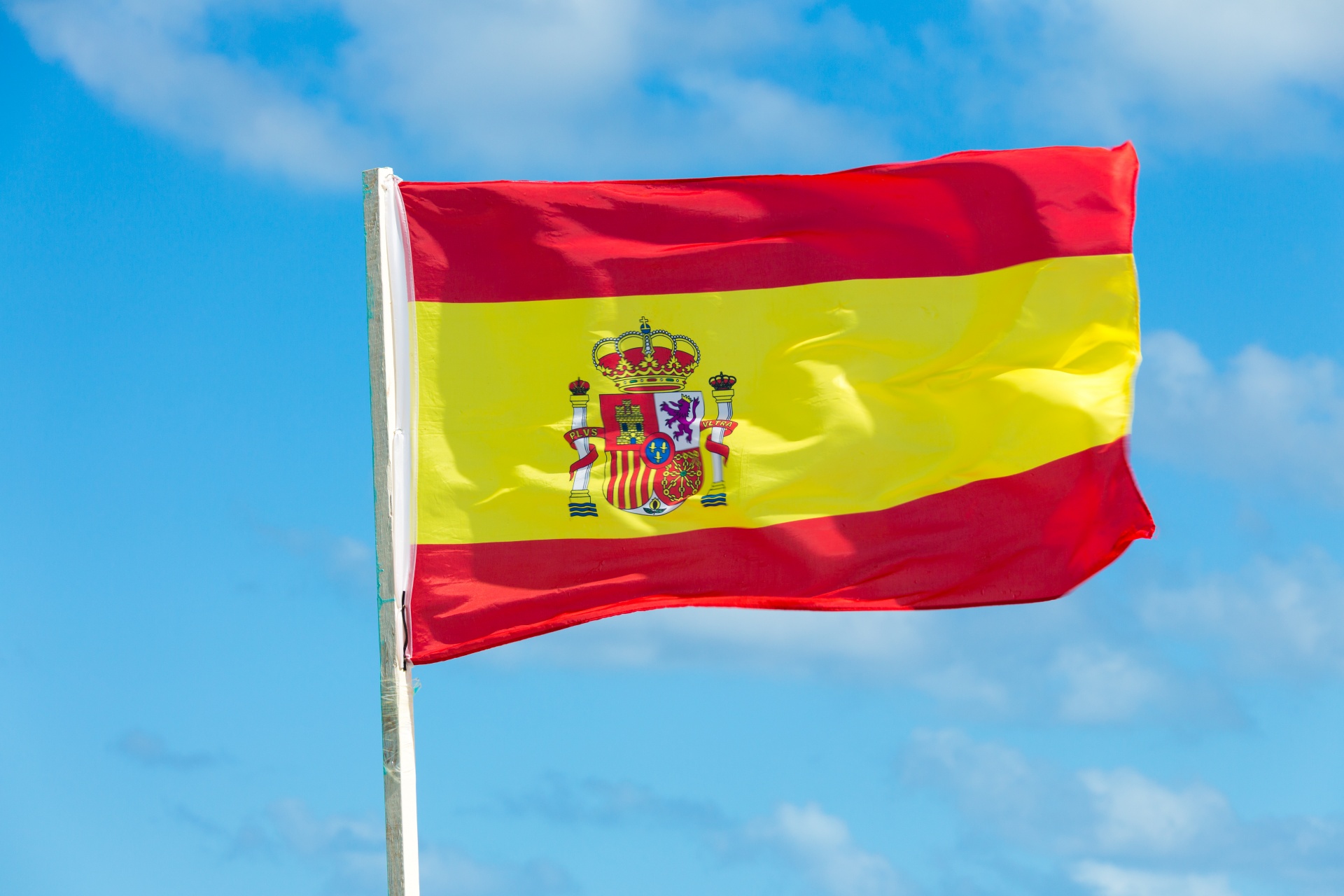
The Spanish Royal Society of Chemistry and the German Chemical Society honored e-conversion coordinator Prof. Thomas Bein with the joint Elhuyar-Goldschmidt Award.

Fuel cell research
In our series "e-conversion cosmos" we present key topics of energy research on the basis of current cluster publications and give an insight into the daily work of our members.
e-asy to understand
Learn more about the idea behind e-conversion and why the research of our members is of such importance for the future of energy supply.
Supercomputers for the perfect material
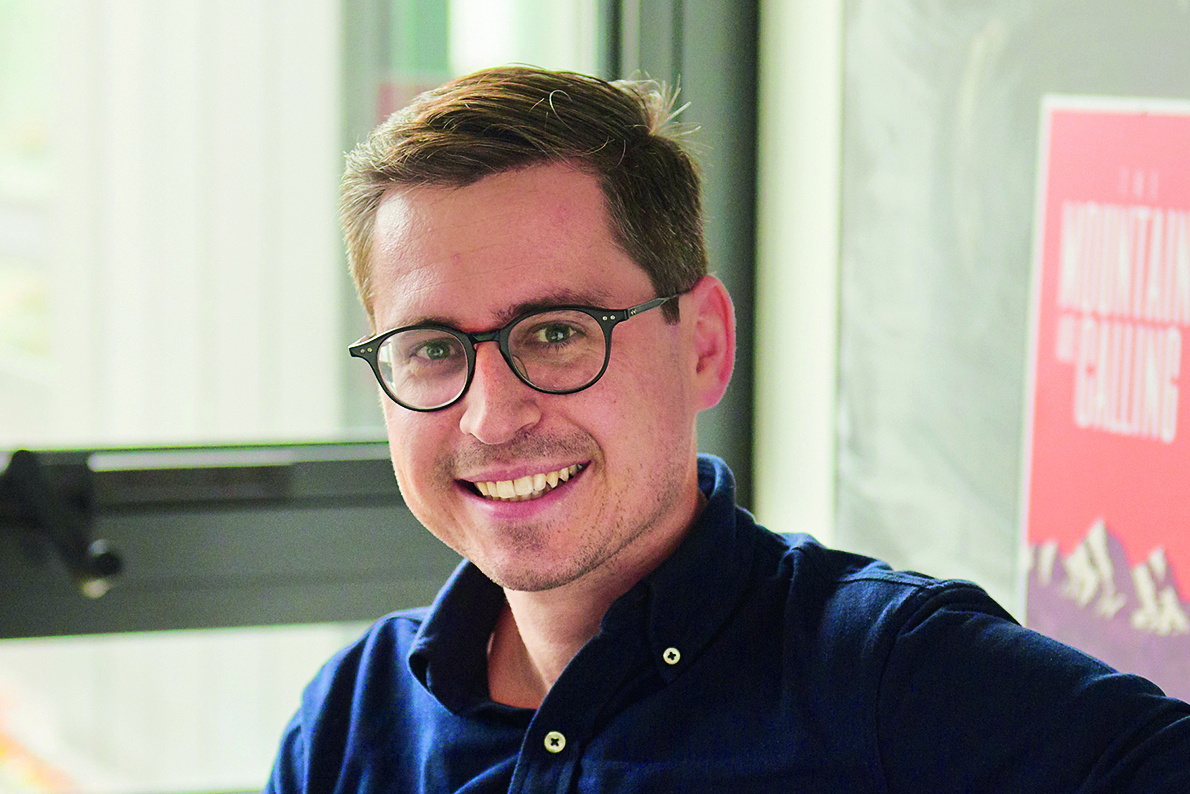
One year ago David Egger became professor for “Theory of Functional Energy Materials” at TU München and member of e-conversion. We asked him about his research, his ideas for the cluster and why he loves being a scientist.